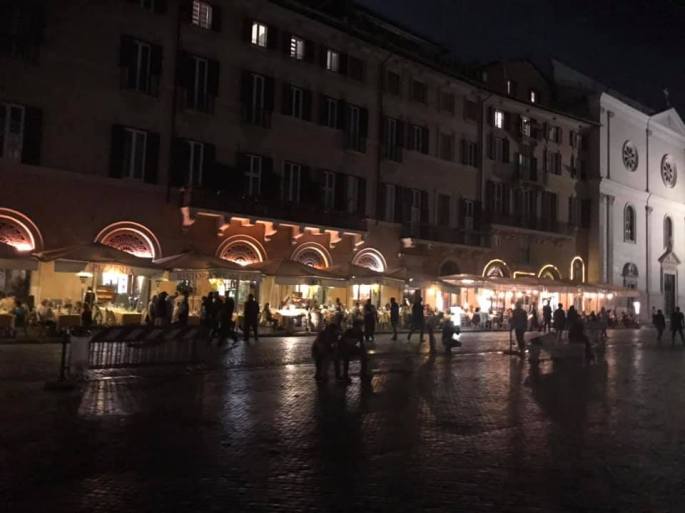
PIAZZA NAVONA, ROME, ITALY

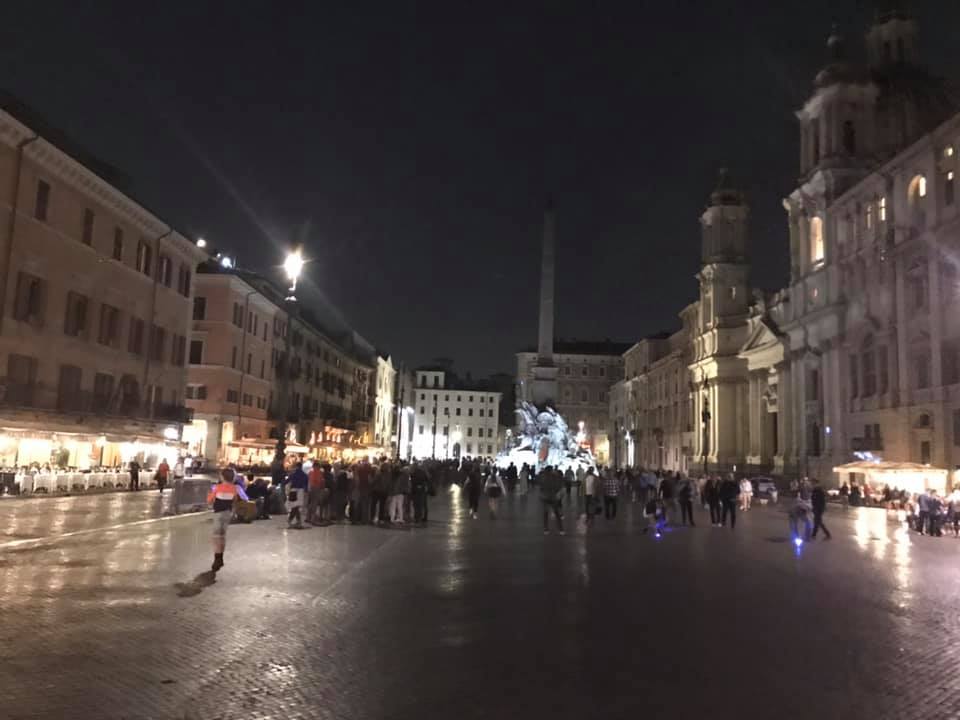
One of our evening tours started at Piazza Navona. We got there a little early as it’s a lovely area to relax a little and we grabbed a coffee and ice cream 🍦and some photos before our tour started. Even at night, it’s still really busy.
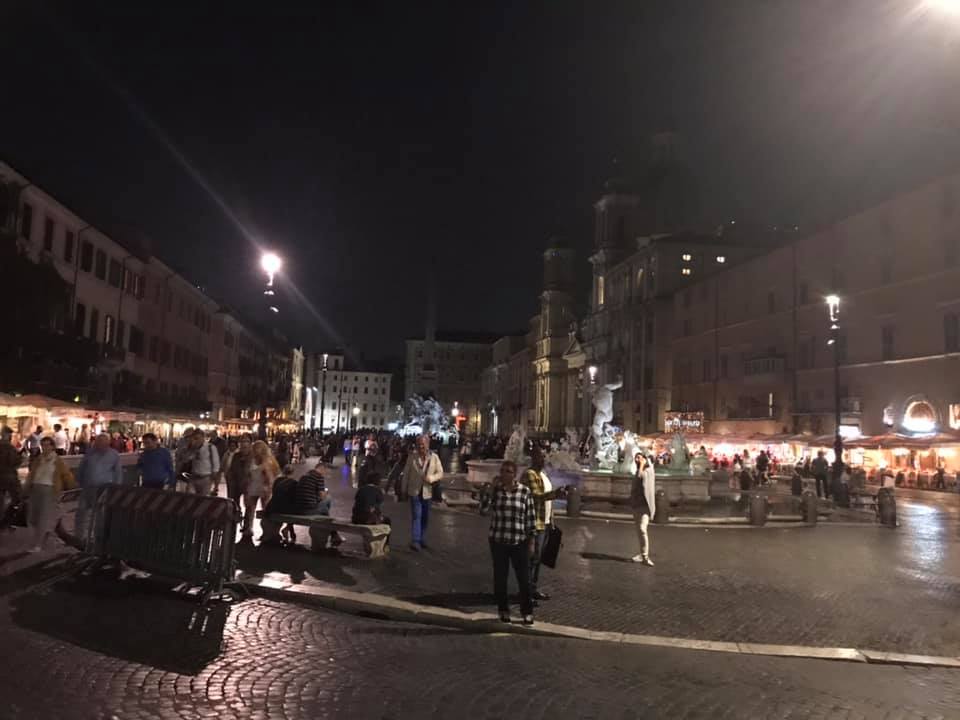
This is one of the largest squares in Rome, with 3 large fountains.
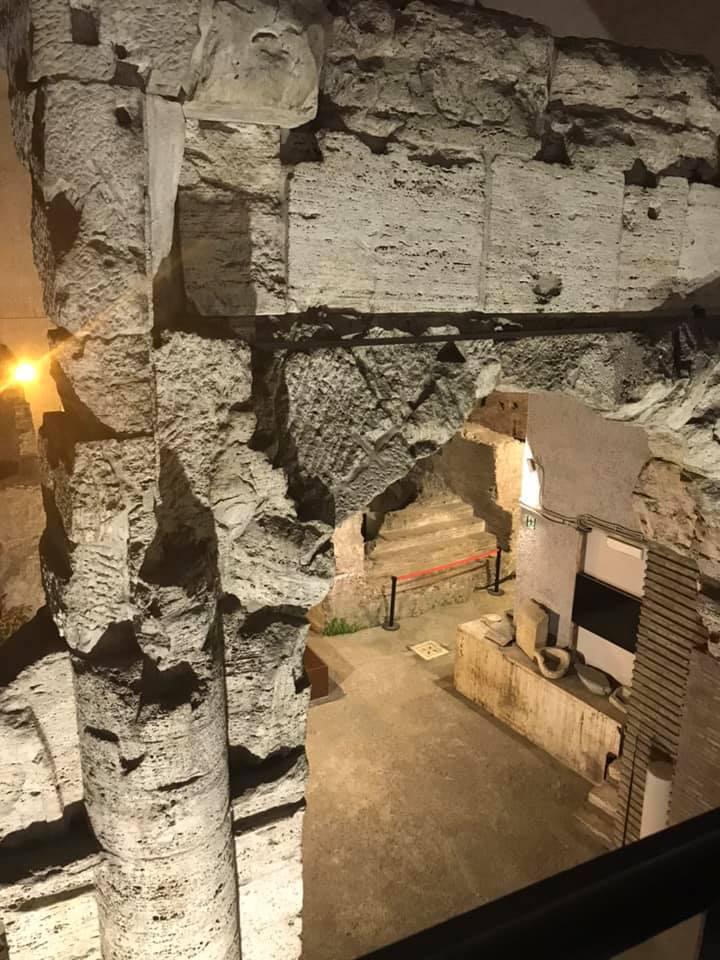
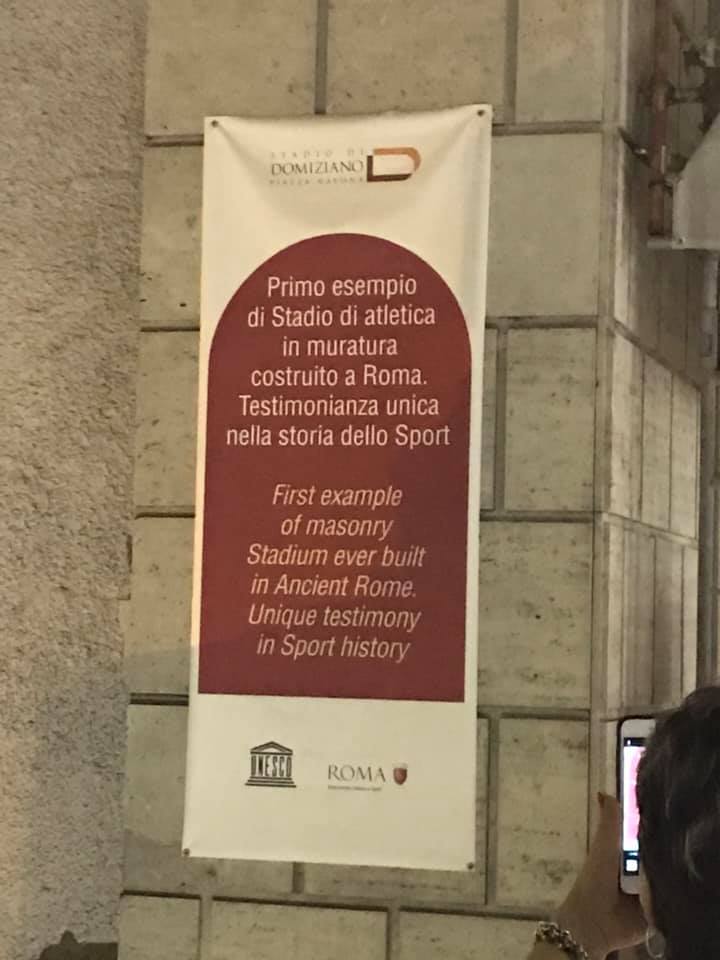
It is oval in shape, not square, and the reason for this is it was originally the Stadium of Dominitan for festivals and sporting events. During 1 tour, we were taken to the metro just outside the square and it still has the remains of the stadium wall.
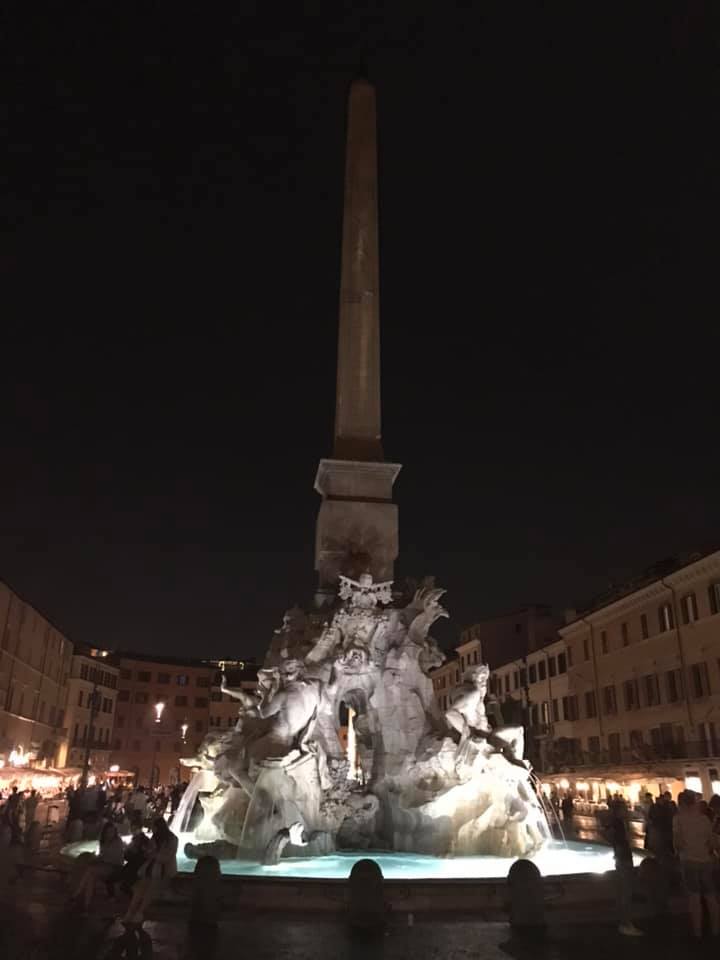
La Fontana dei Quattro Fiumi (Fountain of Four Rivers) was constructed for the Pope in 1651 and is the most photographed item in the square. The centrepiece is a tall Roman obelisk, surrounded by four figures, each representing the great rivers: Ganges, Nile, Danube and Rio de la Plata.
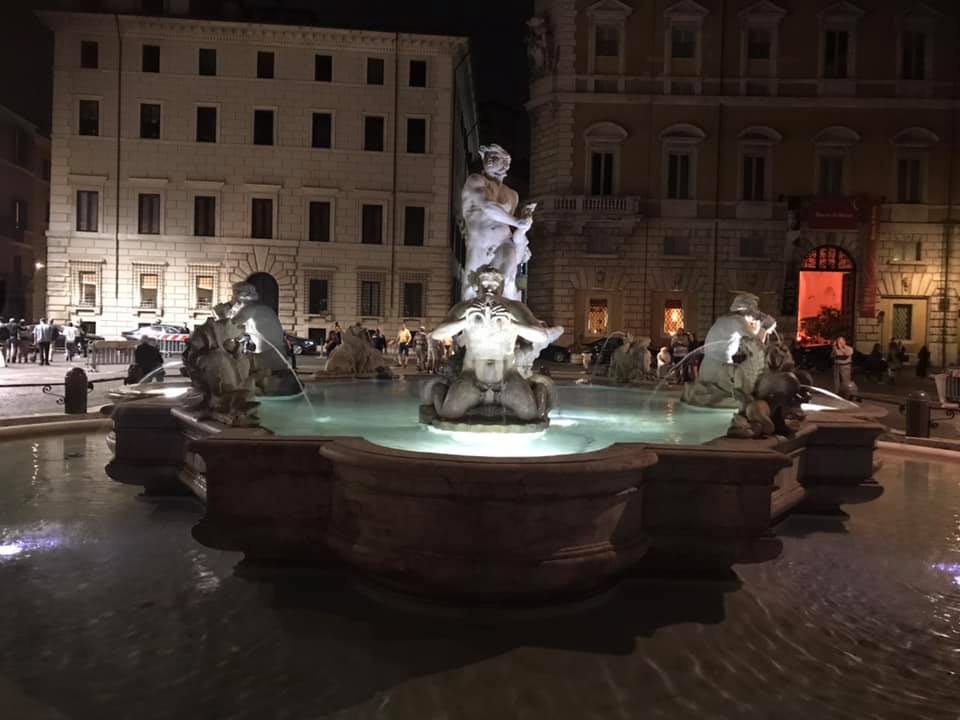
The Fontana del Moro is at the south of the piazza depicts a Moor fighting a dolphin – Bernini’s addition in the 17th century.

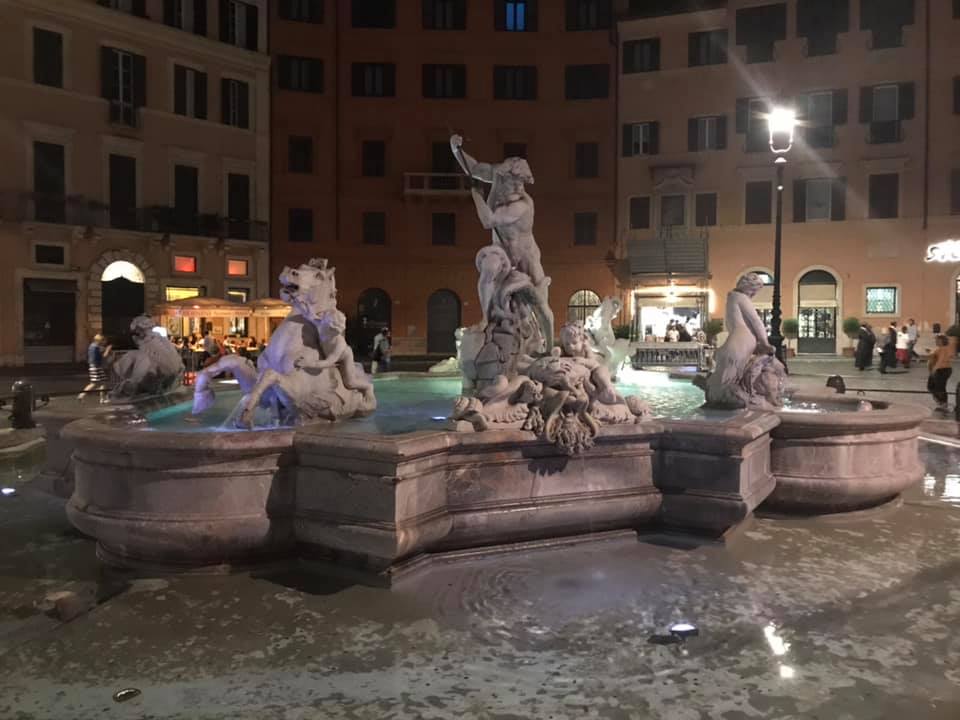
At the north is the Fontana di Nettuno, (Neptune) built in 1576 by Giacomo della Porta. The statues of Neptune surrounded by sea nymphs were added in the 19th century.
Both of these fountains were started prior to the Fontana dei Fiumi but have been altered several times as time has slipped by.
The original Church of Sant’Agnese in Agone dates back to around AD 300 when the young St Agnes was martyred here.
The church today that dominates the west side of the square opposite Fontana dei Quattro Fiumi was commissioned by the Pope just after the fountain.
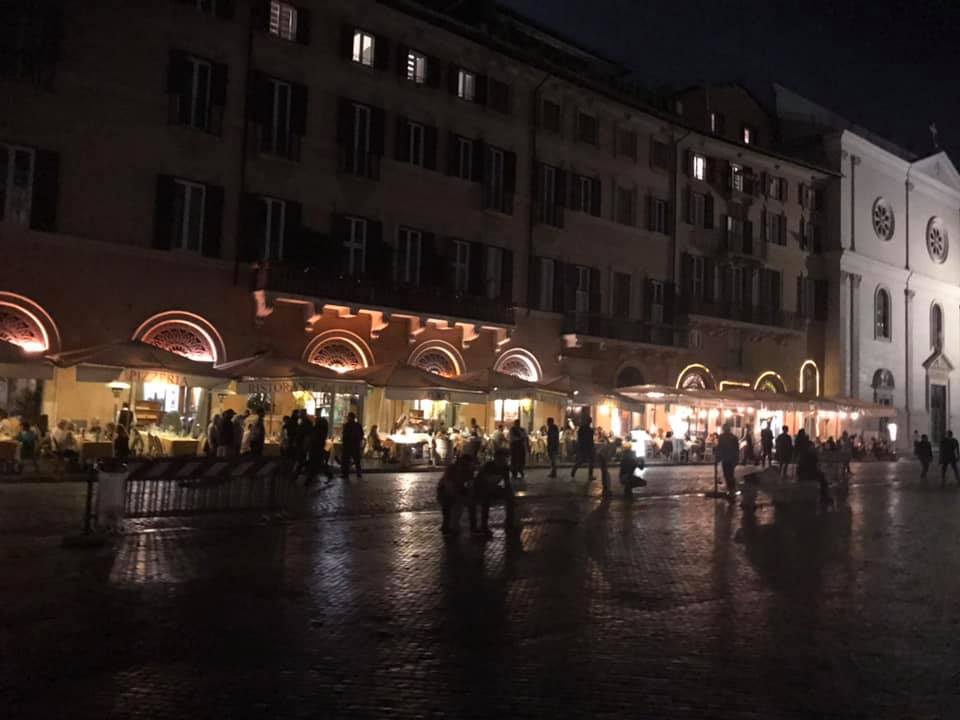
The spirit of Valeria Messalina is said to reside at the Piazza Navona. She was once married to Emperor Claudius. Valeria was known to have extra martial affairs, which put a strain on the marriage. After she challenged a local prostitute to see who could have the most sexual encounters in one night, the Emperor ordered her death. Since she was executed, it’s said her spirit wanders the Piazza, trying to hold the hand of men passing by, as well as grabbing their behinds.
COLOSSEUM, ROME, ITALY

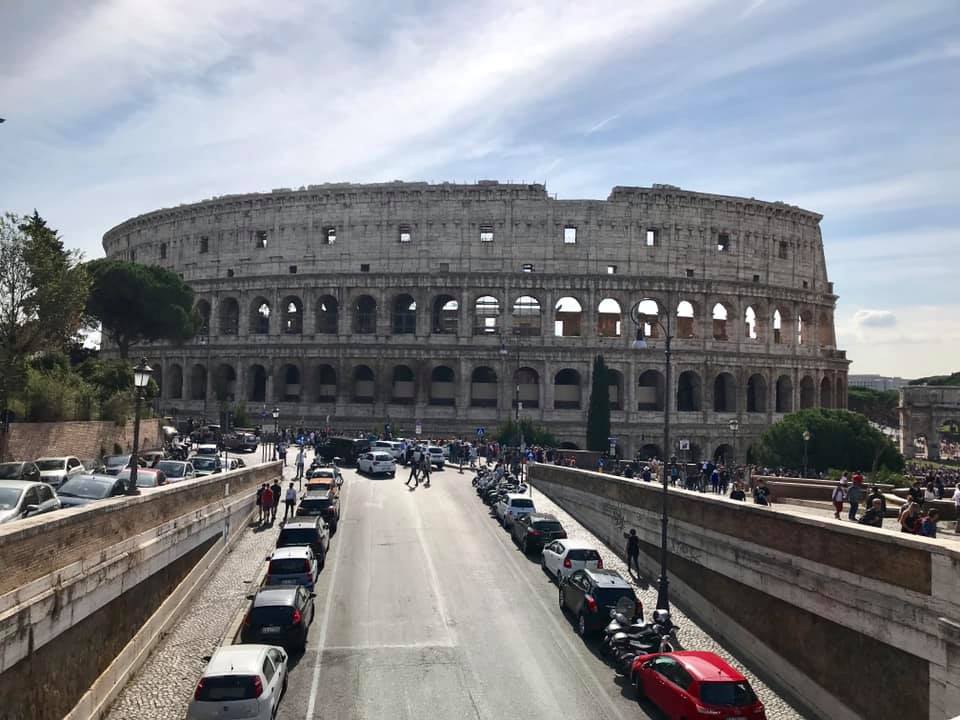
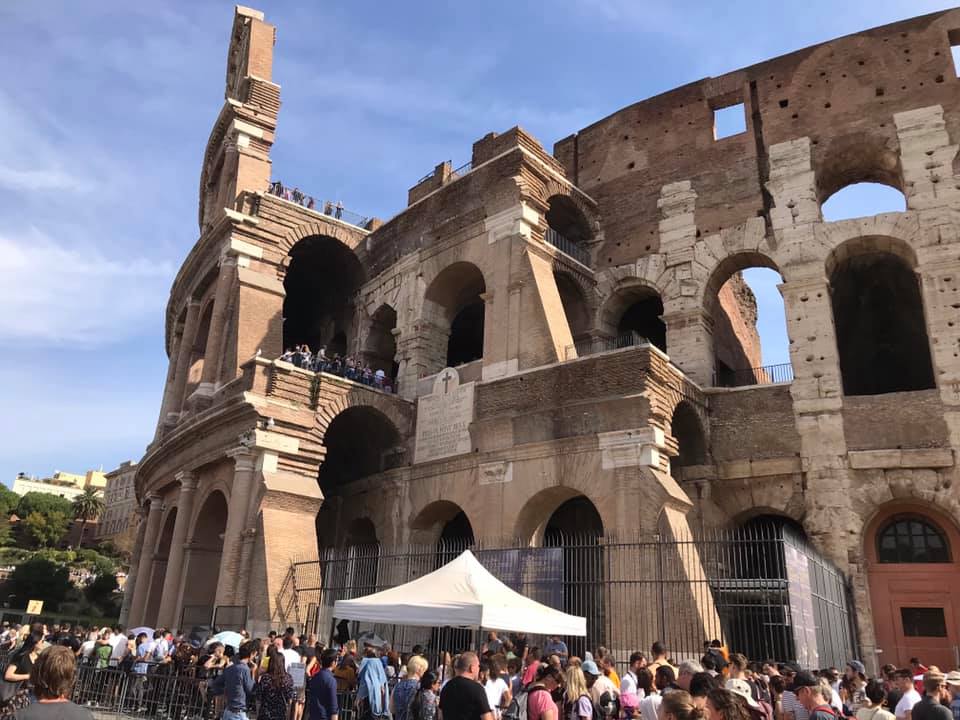
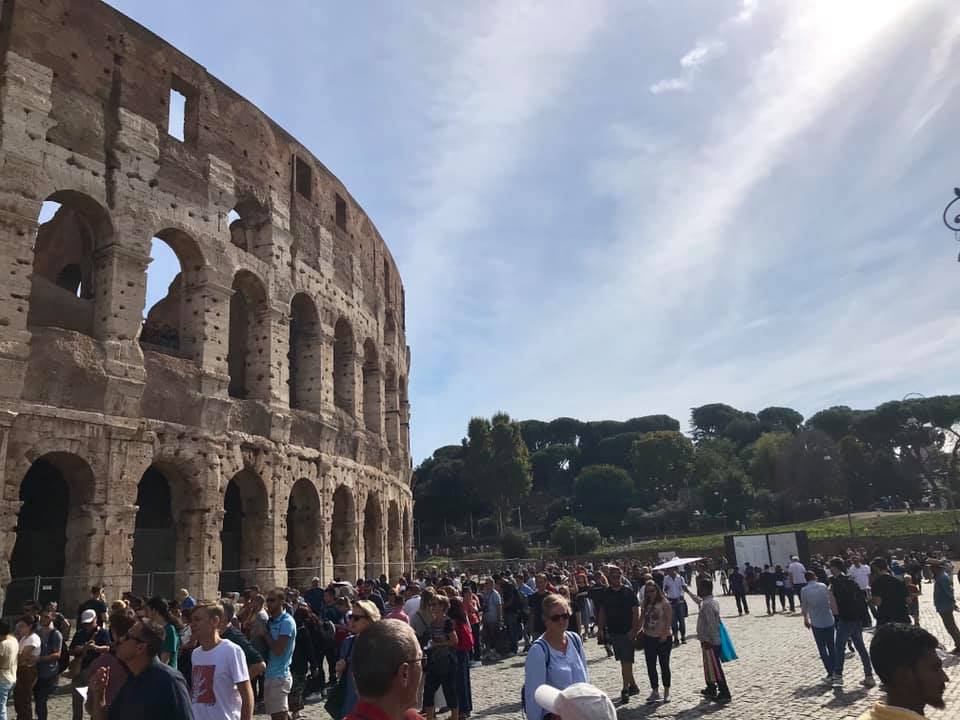
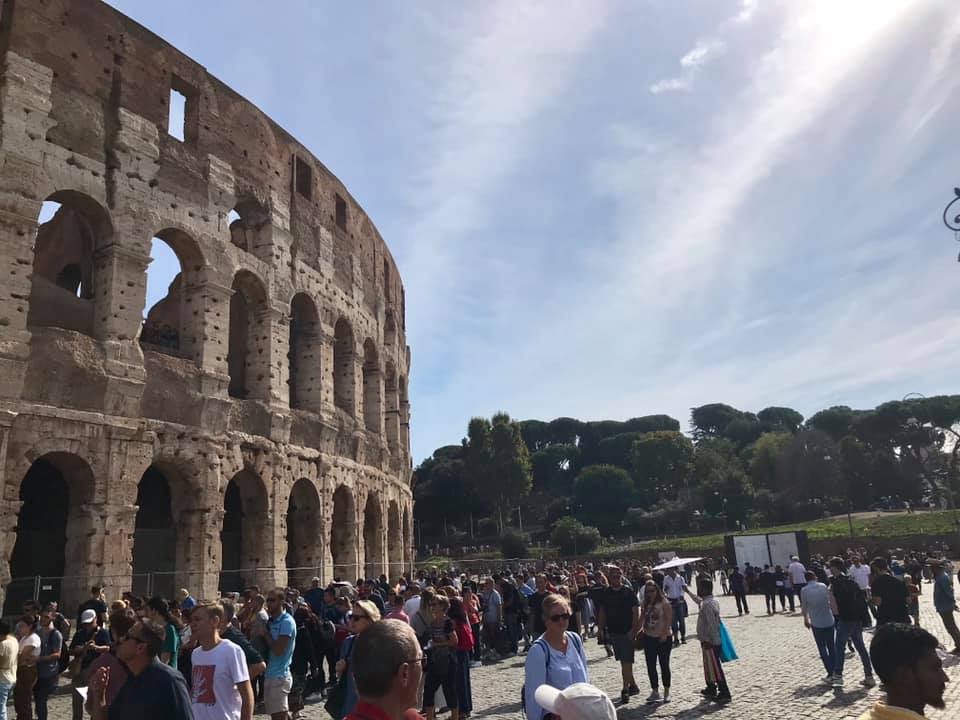
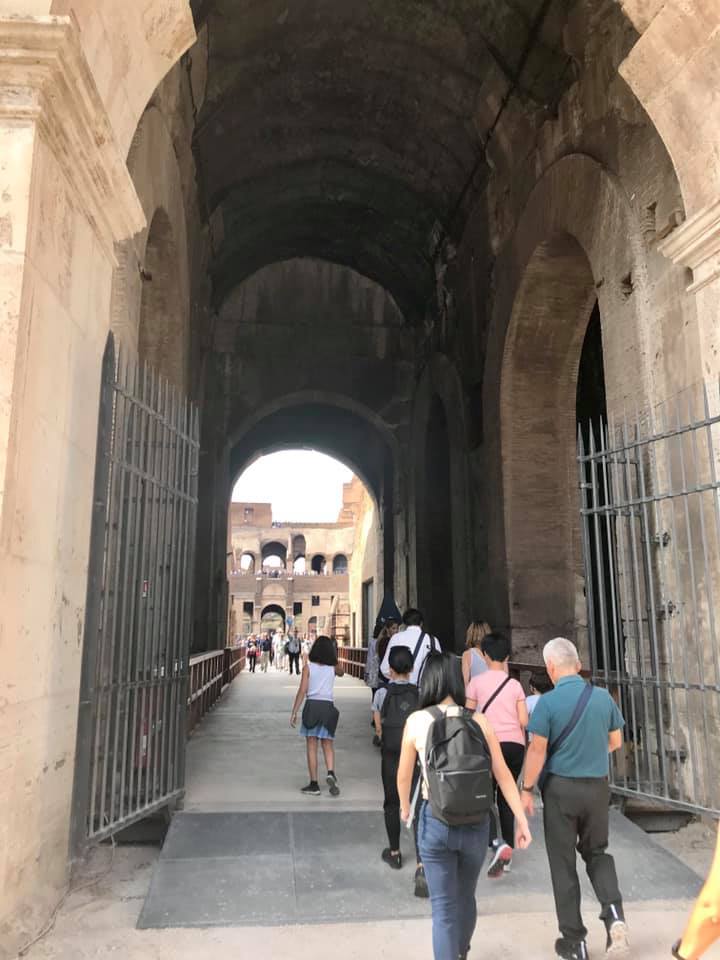
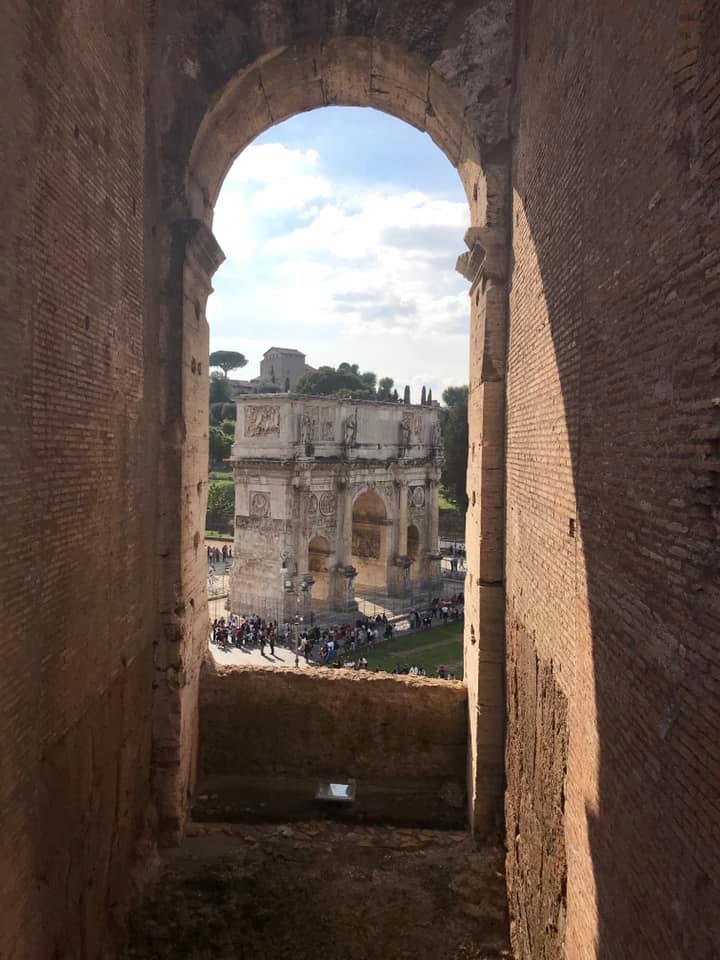
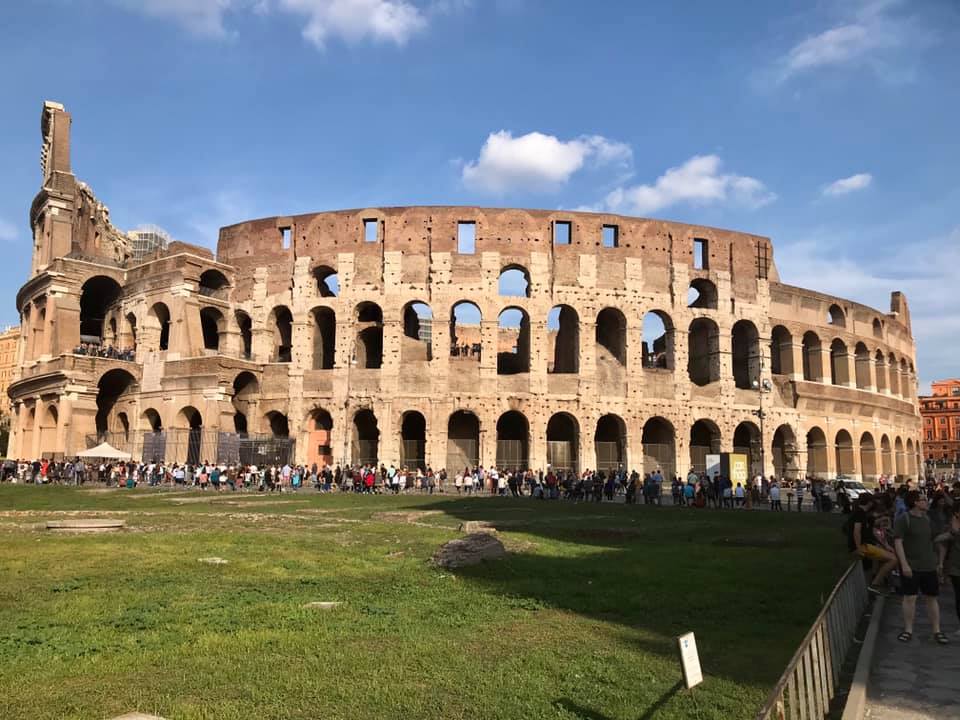
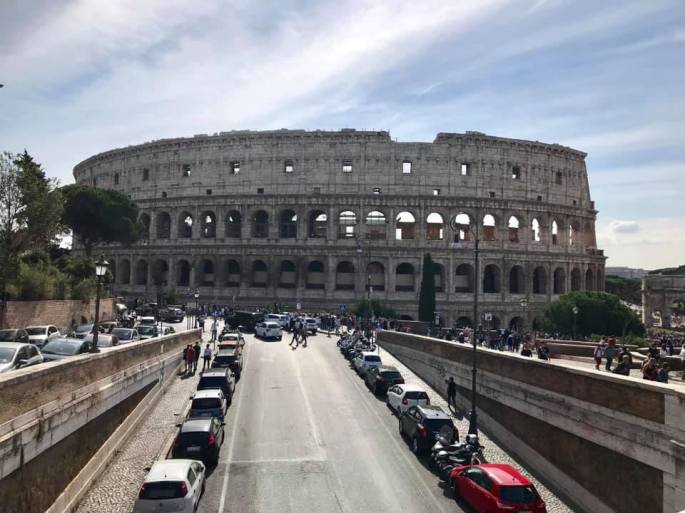
The first place I was going to was the Colosseum. I had prebooked my tickets with an entry time so I could miss the huge queues, so thankfully the plane arrived on time

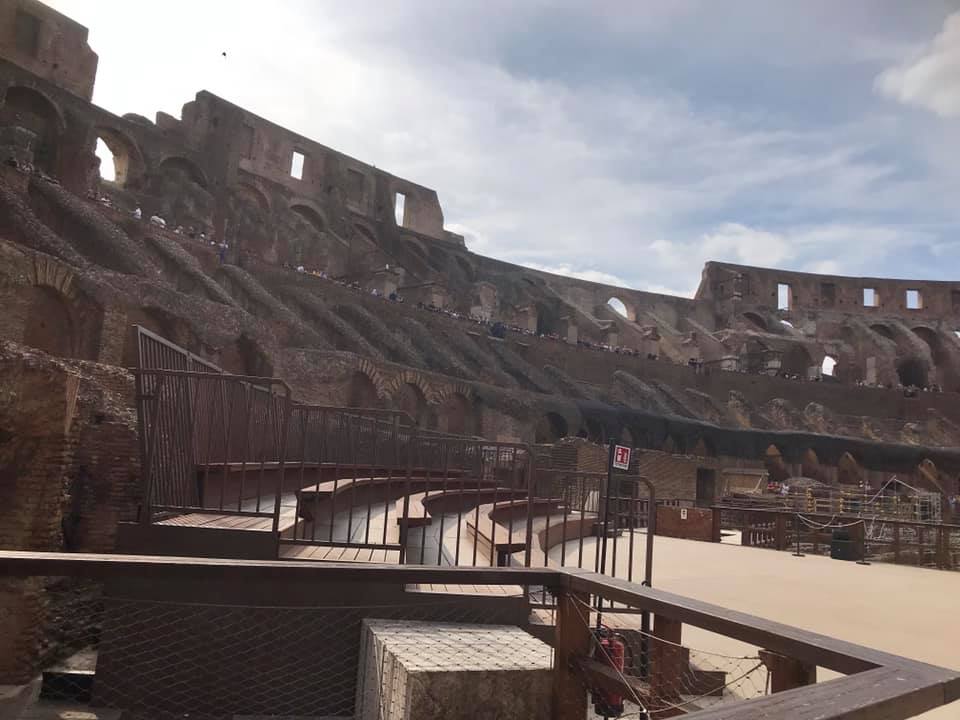
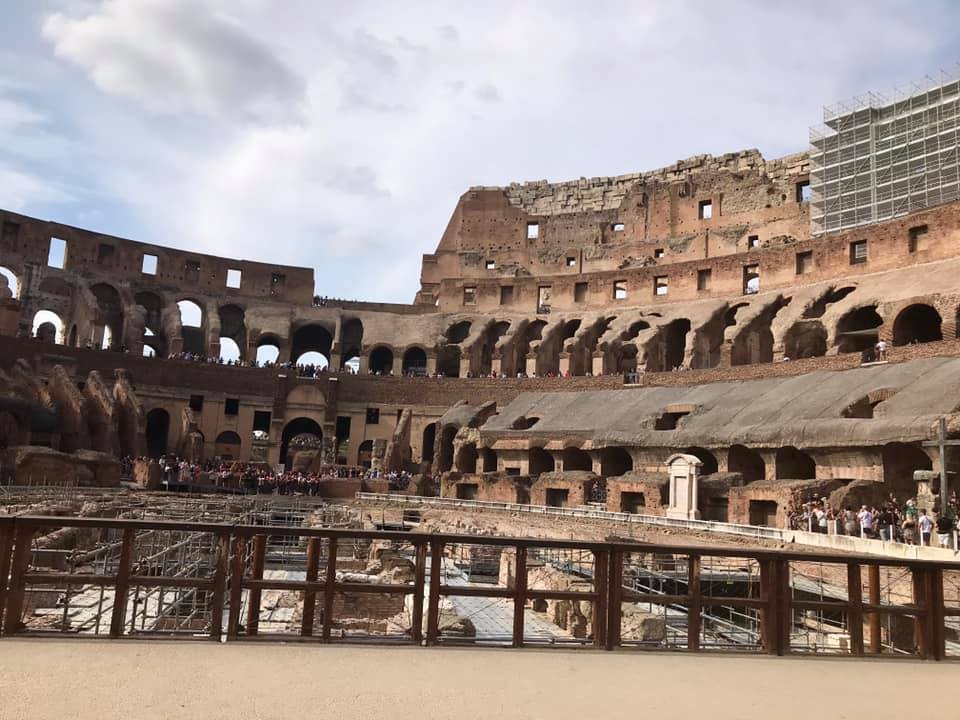
Construction began in 72AD under Emperor Vespasian and was the largest amphitheater built at the time, and could hold 50000 people. It was completed in 80AD under Titus. It is in the centre of Rome and close to the Roman Forum, where I went after here.


Modifications were made in 81-96AD under Domitian. Over the years and with various renovations, the Colosseum could hold upto 80000.

It was mainly used for gladiatorial contests, animal hunts and executions. By the early medieval age it was rarely used for entertainment purposes.

Nowadays, due to its condition, it can only hold around 3000 visitors at a time.

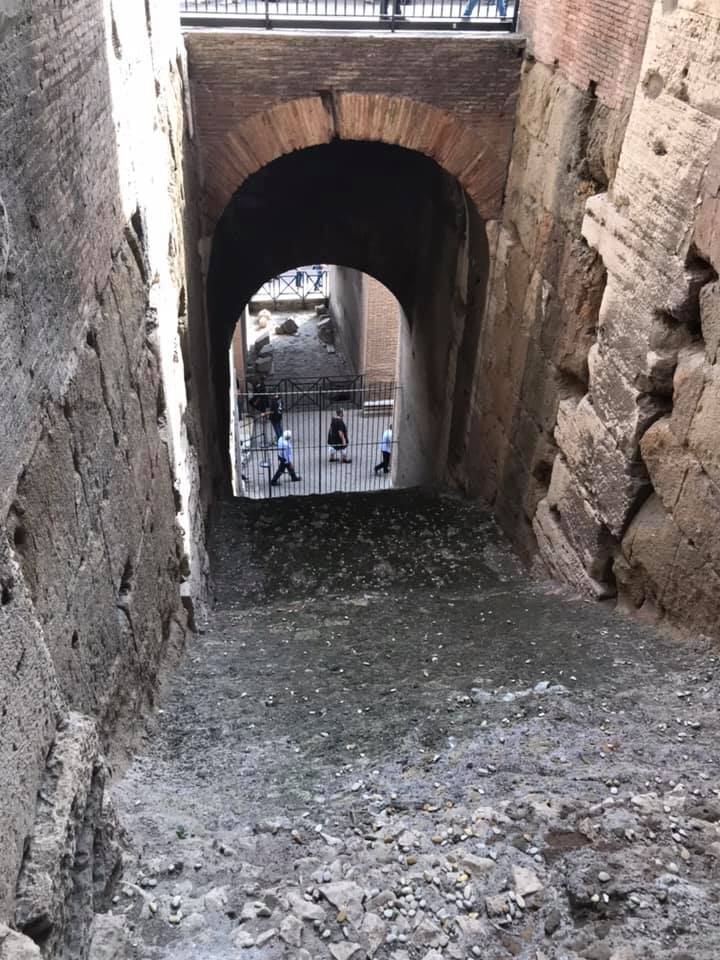
We will be coming back here Monday night for an evening tour, and will be going to the underground areas.

Given its gory past, its said 1million people died here and 4 million animals died it’s not surprising it’s supposed to be haunted.


Visitors have reported seeing figures on the stairs and seats, only for them to disappear. A figure of a Roman Soldier has been seen by both visitors and staff. Screaming has been heard. Underground, animal roars are heard on occasion. The cheers of a crowd has also been heard.

ROMAN FORUM, ROME, ITALY

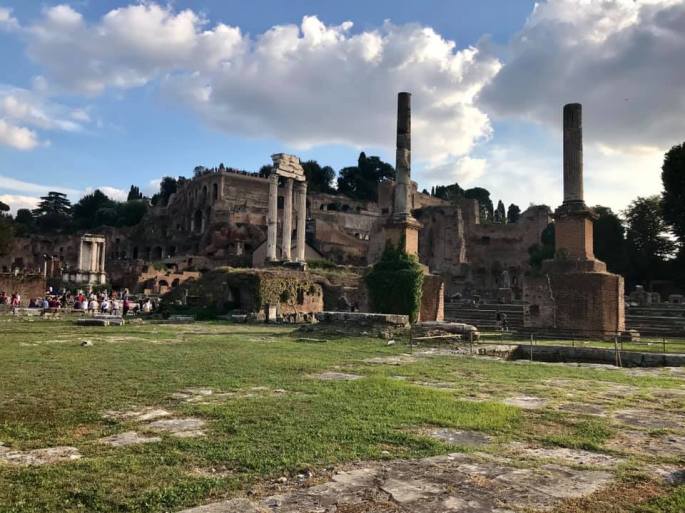
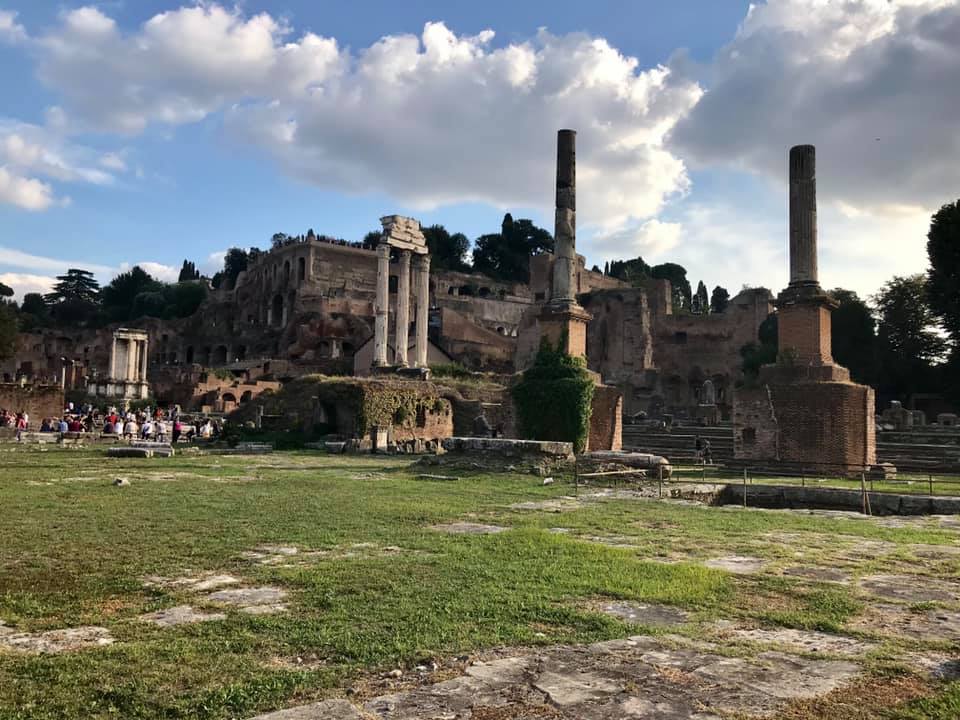
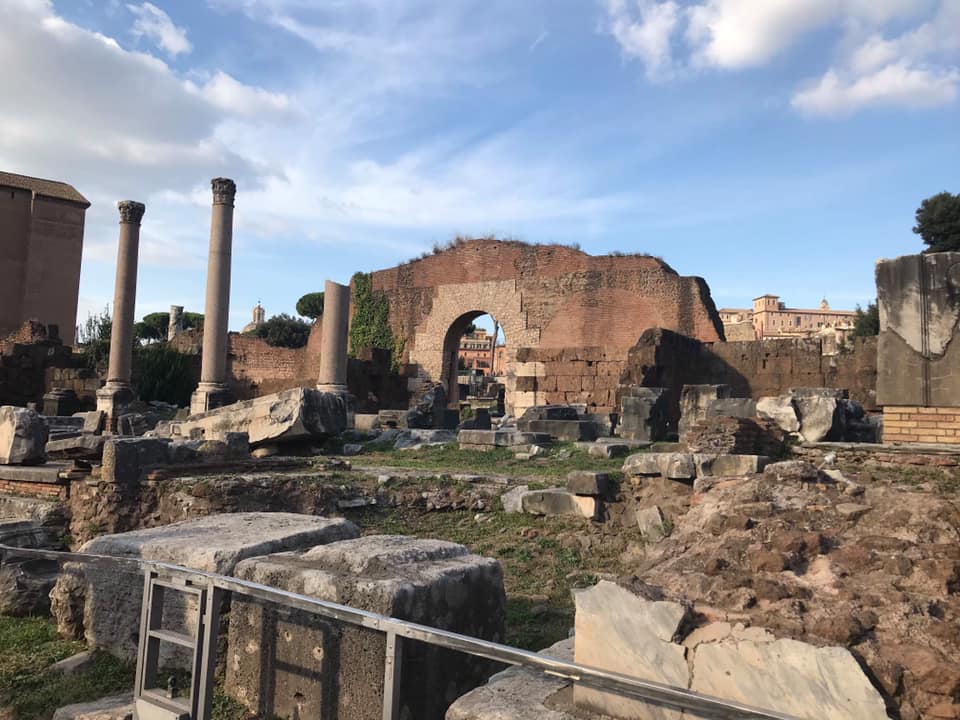
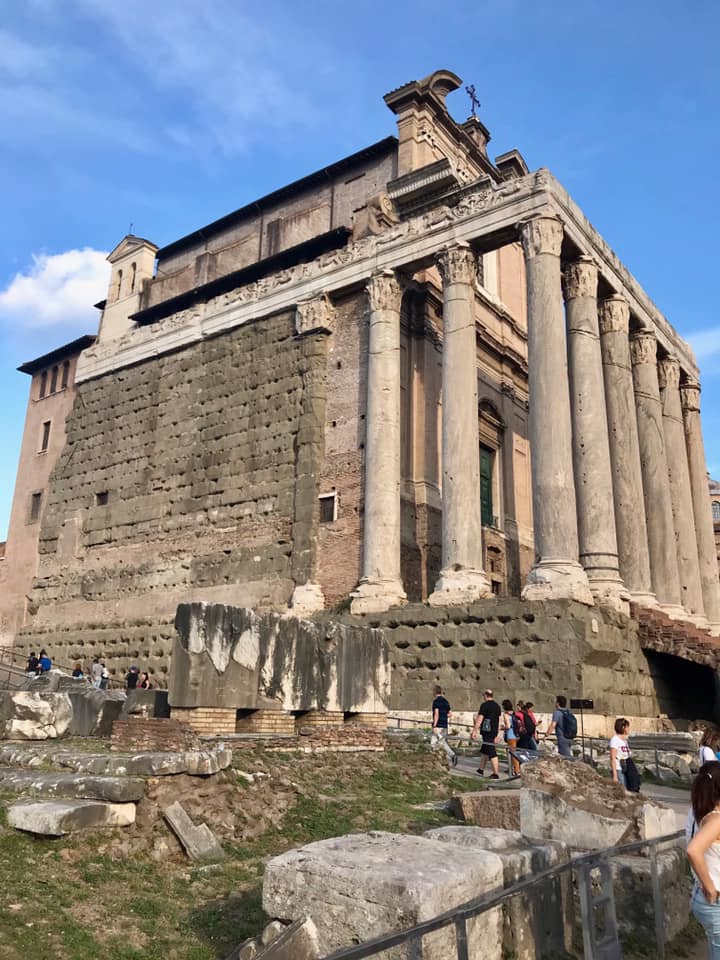
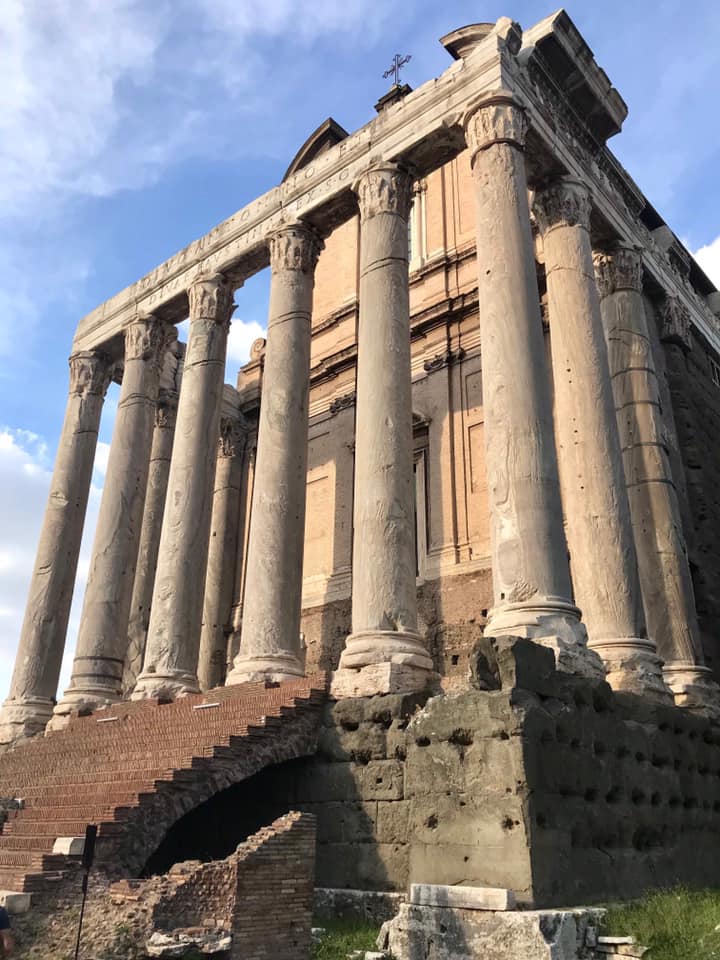
My 2nd stop was the Roman Forum. This is quite close to the Colosseum, only a couple mins walk.

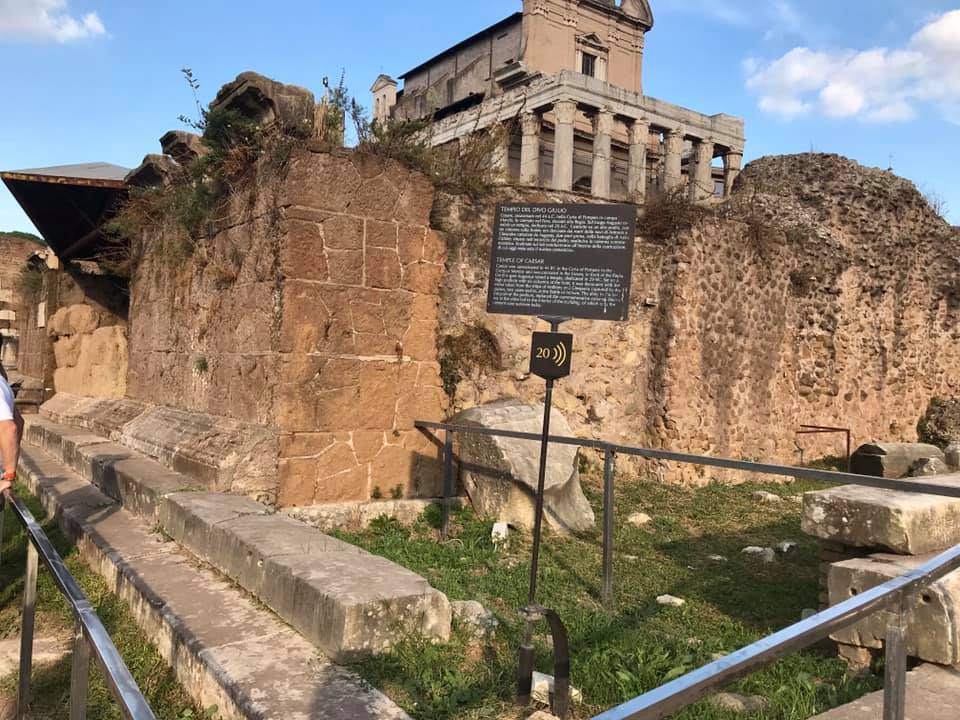
The forum is a rectangular shape with the ruins of ancient Roman Government buildings.

The Roman Forum began to form in the 7th century BC. It was originally marshland, but the Romans drained it in order to turn it into a political and social centre. Buildings were added over the following centuries. Some of the temples here date back to the late 5th century BC.

The Forum was abandoned around the Middle Ages.

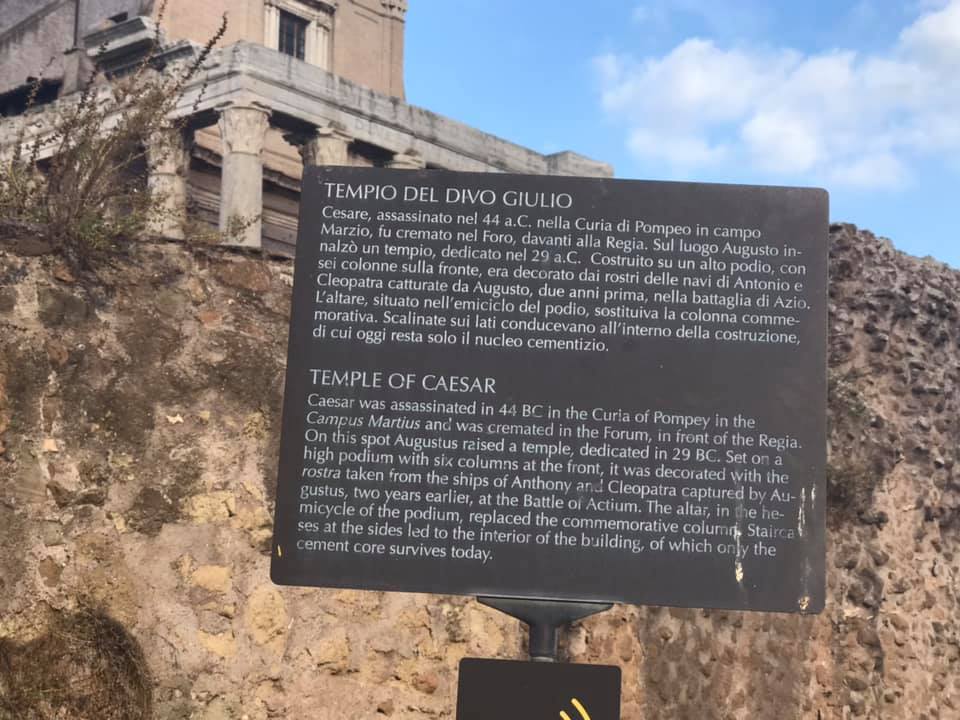
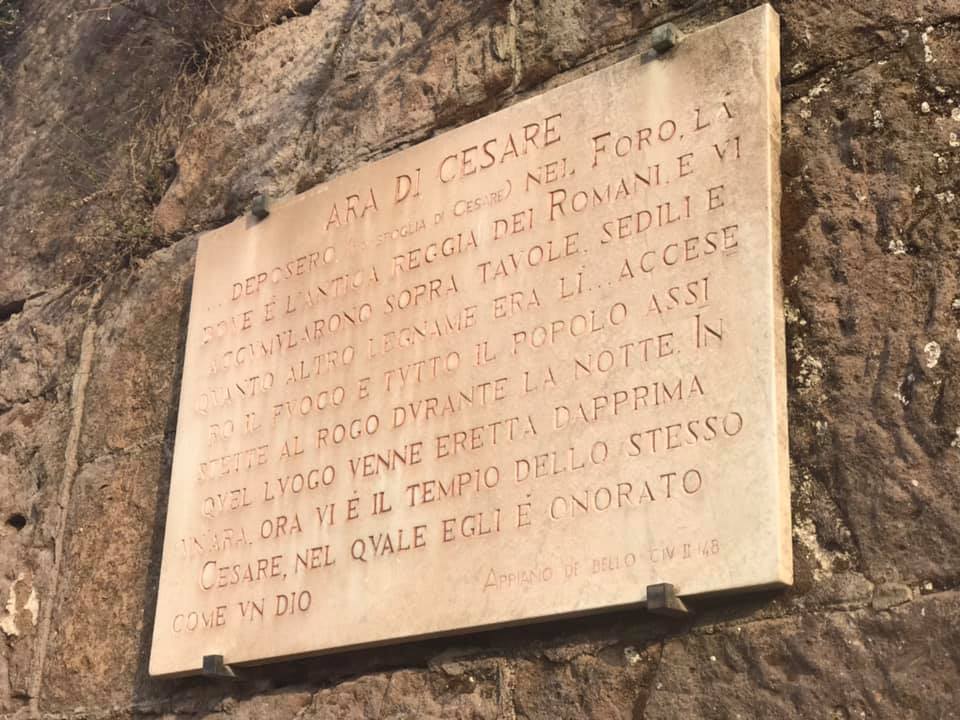
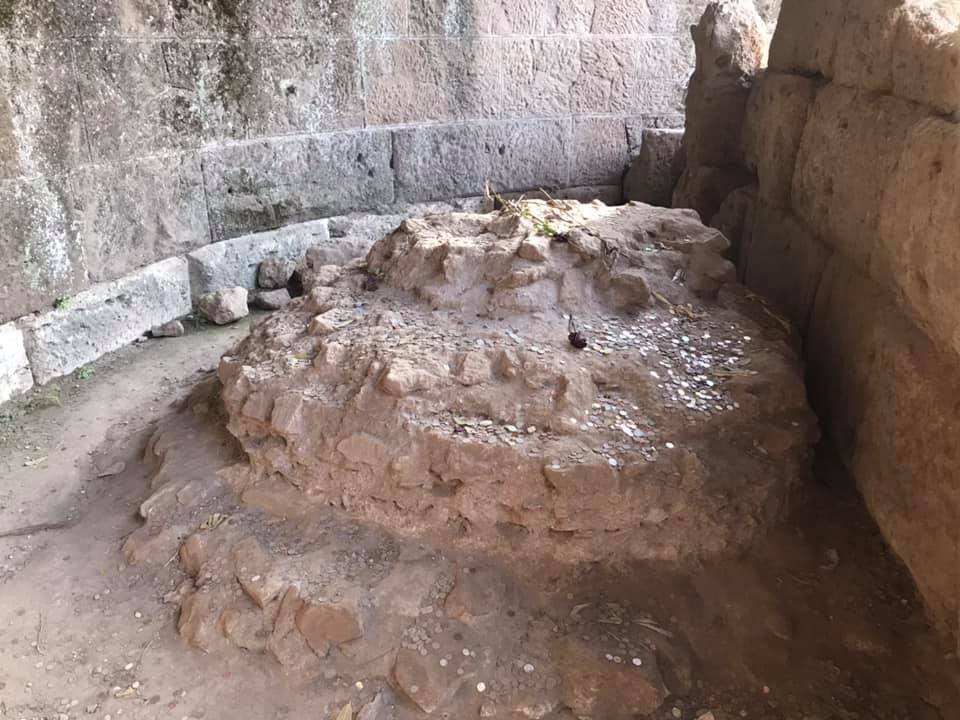
Julius Caesar is buried at the Roman Forum and marked by a gravestone.
There are thoughts among the locals that the spirit of Julius Caesar May actually haunt the Roman Forum.

CASTEL SANT’ANGELO, ROME, ITALY

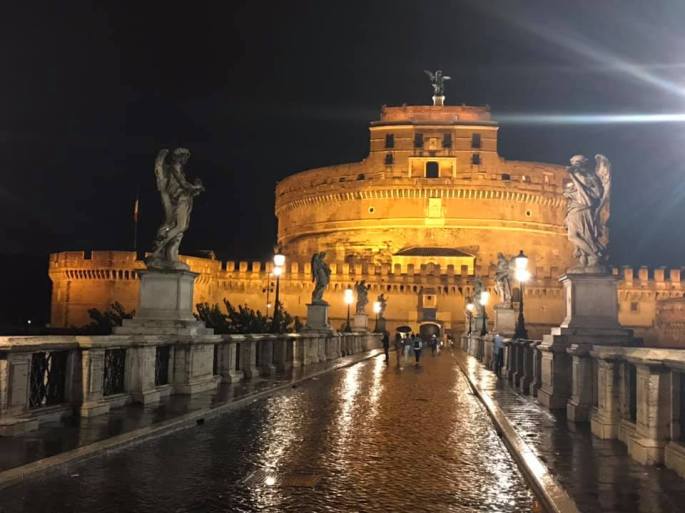
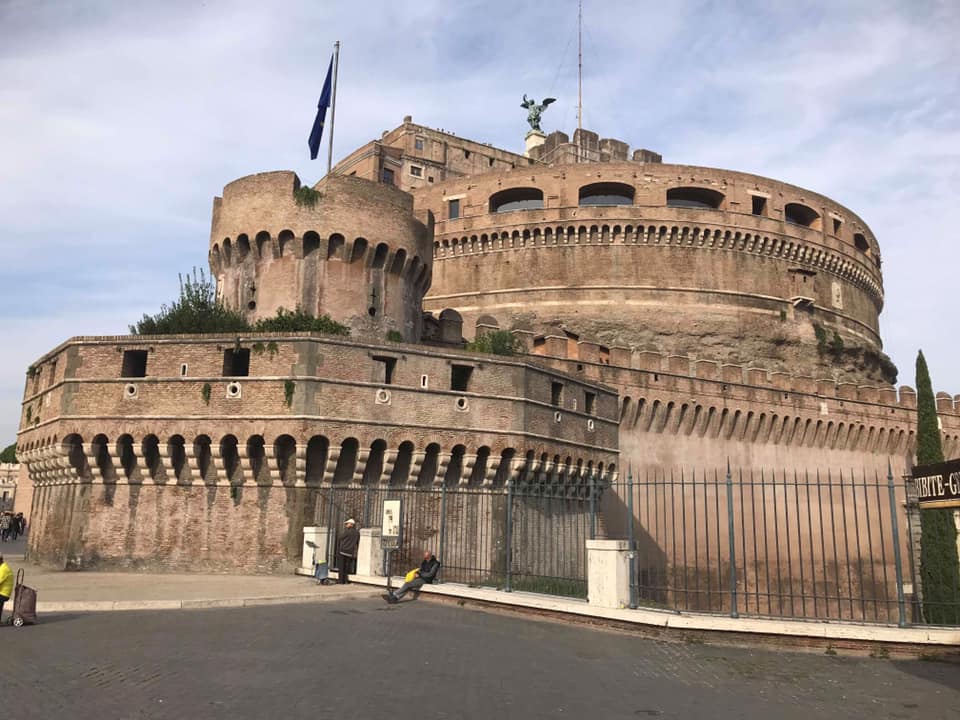
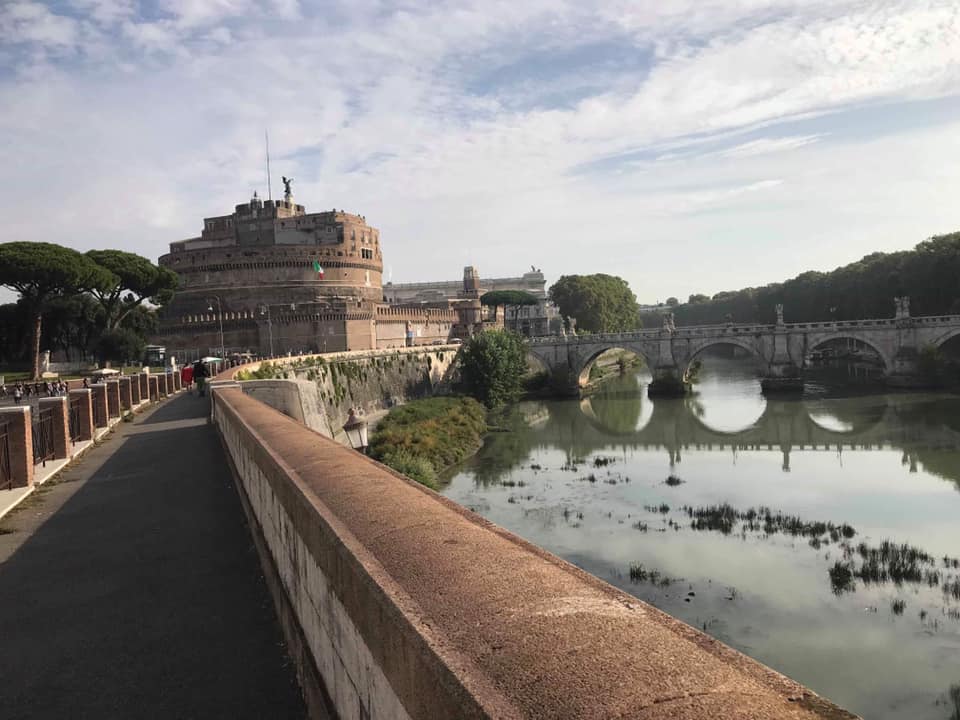
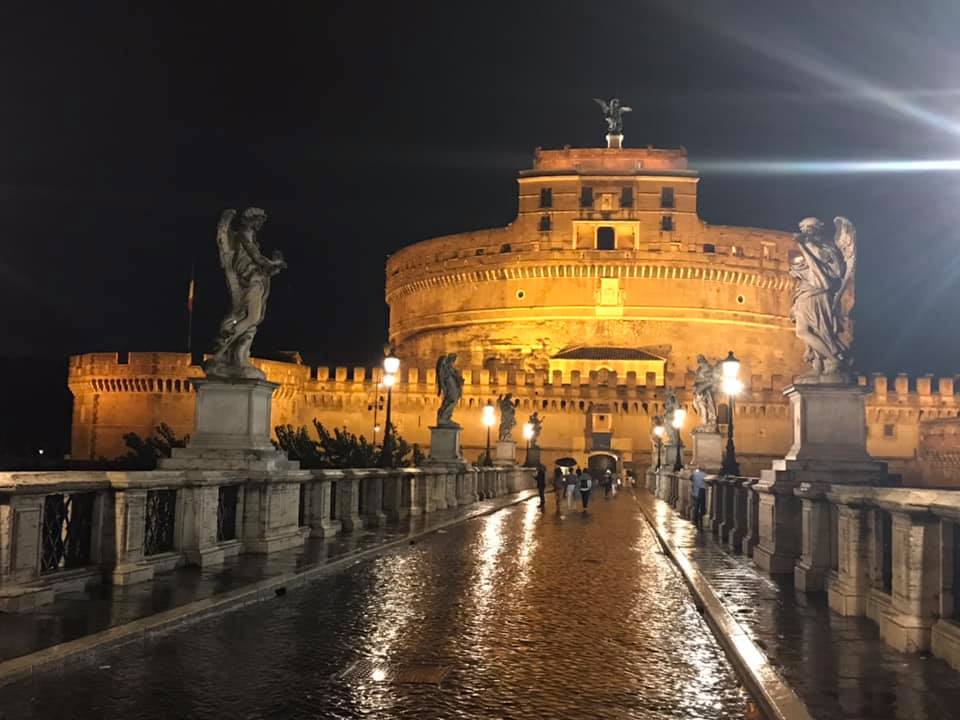
Although we didn’t go inside here, we did stop outside for some photos.

It was originally built for Hadrian, the Roman Emperor, in the year 135, as a mausoleum for himself and his family. It was finished in the year 139. A short time later, it was used as a military building.

In the year 1277, a passageway was built underground connecting it to the Vatican, to allow the Pope to escape if he was ever in danger.

Pope Clement VII used the fortress as a refuge in 1527 during the sieges that occurred in Rome.

It is now a museum.

Legend says that on the night of 10th September, the ghost of Beatrice Cenci appears on the bridge leading to Castel San’Angelo. When the bells mark the stroke of midnight, a female figure walks along the bridge, holding a human head. It’s said that after facing the River Tiber, he disappears.

Growing up, Beatrice and his brother were subjected to abuse by their father, Fransesco Cinci. One day, they decided they had had enough, and killed their father, making it look like an accident, and tried to hide the body. However the guards found the body, and concluded it was no accident. After torturing Beatrice, he confessed to his fathers murder. Beatrice, his brother and mother were all sentenced to be executed. The people of Rome knew the family story, and tried to prevent the executions, and they were beheaded in front of Castel Sant’Angelo on September 11th 1599.

Since then, his spirit has been seen wandering the Church of San Clemente, as well as on the bridge.

EDINBURGH CASTLE, SCOTLAND, UK

It’s thought that there was an Iron Age Fort on this site long before the Castle was built.

Since David I in the 12th century, there has been a Royal Castle here, at the top of the Royal Mile. It continued to be a Royal Residence right up till 1633. After that, it was primarily used as a military barracks.

Edinburgh Castle was one Scotlands most import military strongholds during the Wars of Independence in the 14th century, right through to the Jacobite Rising of the 18th century.

It’s said that during its 1100 years, it has been the site of 26 sieges, leading to the claim that it is the ‘most besieged place in Great Britain and one of the most attacked in the world’.

St Margaret’s Chapel, from the 12th, is said to be the oldest building in Edinburgh.

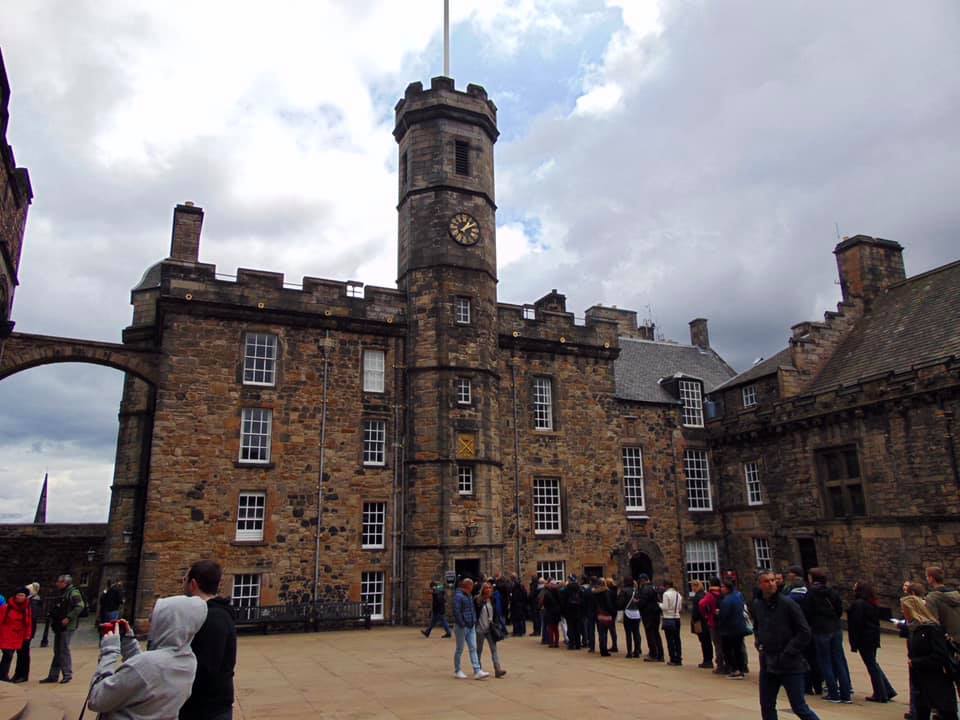
The Royal apartments are in the Royal Palace. Mary Queen of Scots gave birth to James VI here in 1566. The Scottish Crown Jewels are kept in Crown Room of this building. You can walk round the building but are not allowed to photograph them. The Stone of Destiny is also kept here. Scottish Monarchs were traditionally Crowned on the Stone.

Although the Army formally moved from Edinburgh Castle, they still have a barracks here, and it’s one of the few ancient castles in Britain to still have a military garrison.

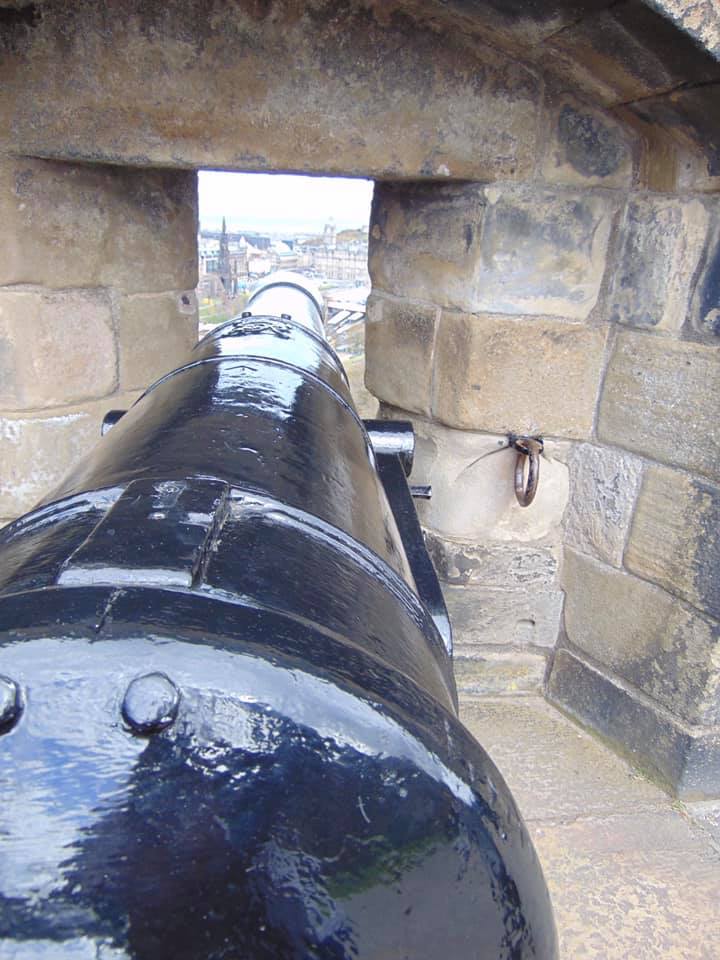
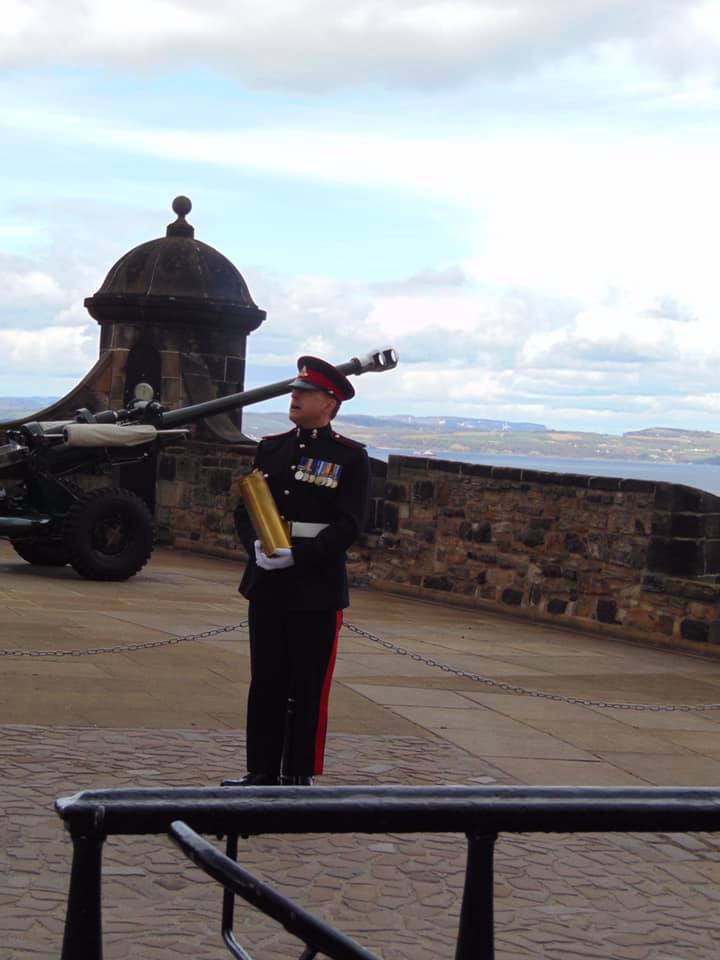
The one o’clock gun sounds Monday to Saturday.

Edinburgh Castle is one of Scotland’s most haunted locations.
The dungeons are reportedly haunted by former prisoners.
A headless drummer has been seen many times, with the first sighting before Cromwell attacked the castle in 1650. He is rarely seen, said to only appear when the castle is in danger, however the sound of drumming is regularly reported.

Lady Janet Douglas of Glamis, was accused of witchcraft and conspiring to kill King James V. People have reported seeing her apparition in the corridors.
Knocking is repeatedly heard at night, along with ghostly shadows

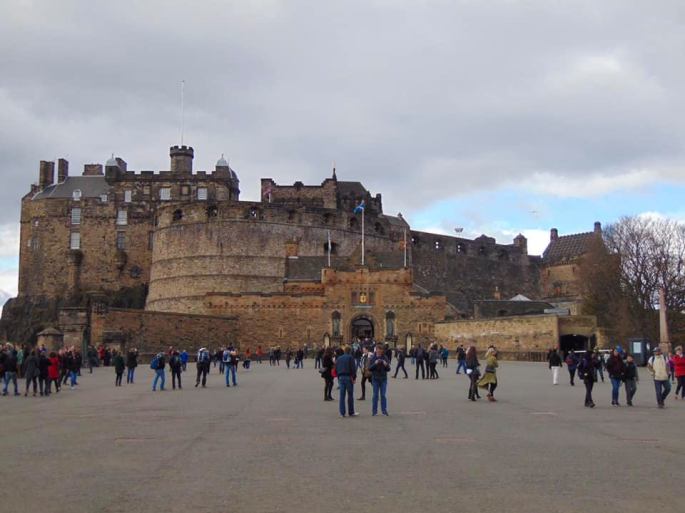
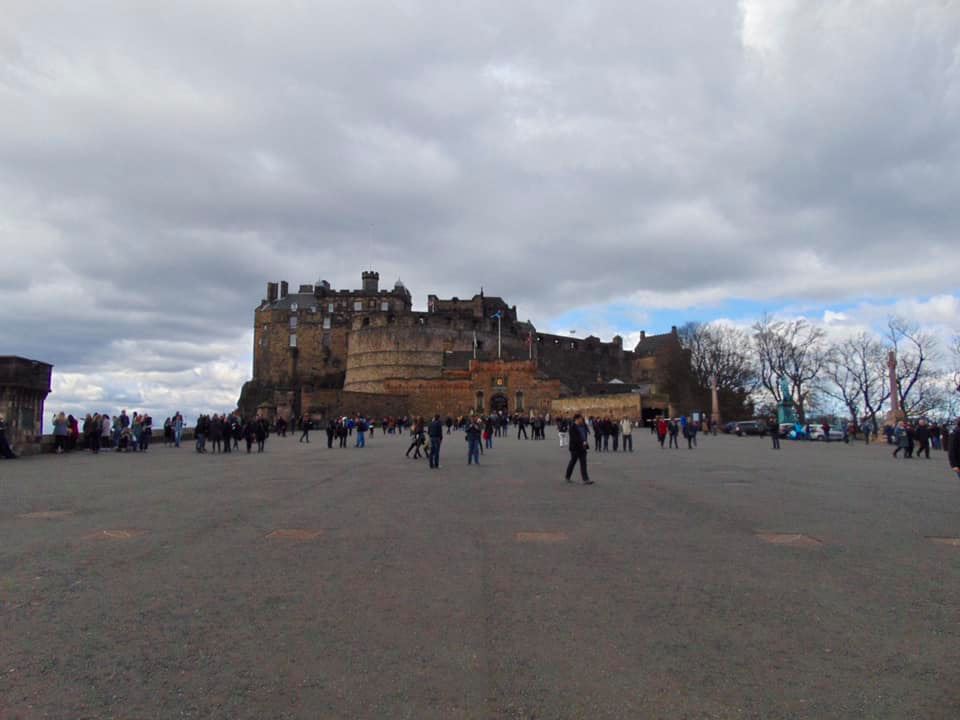
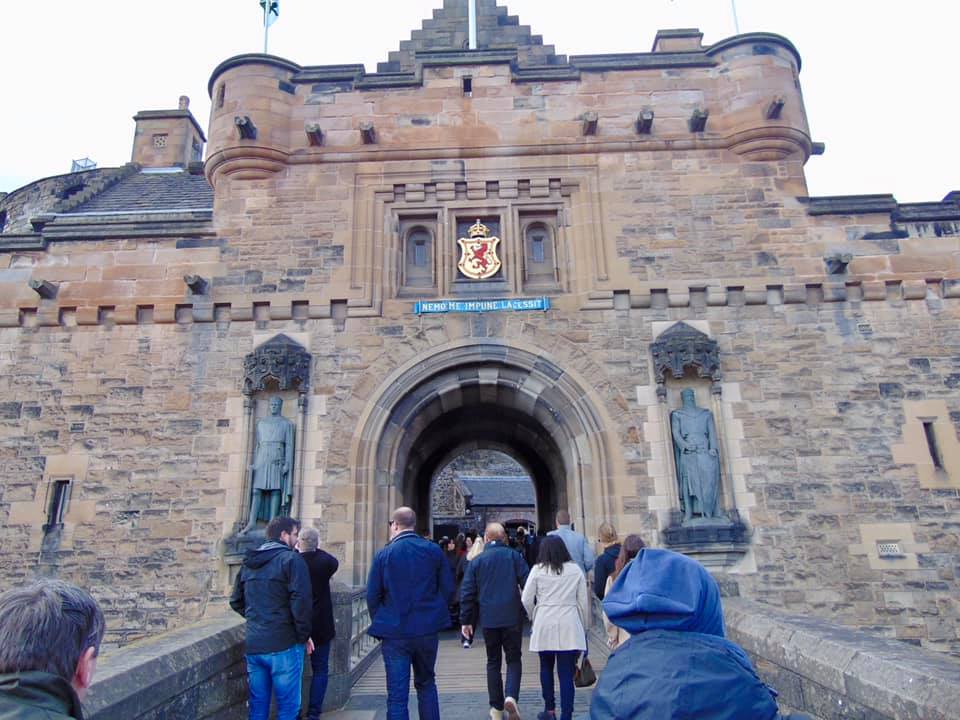
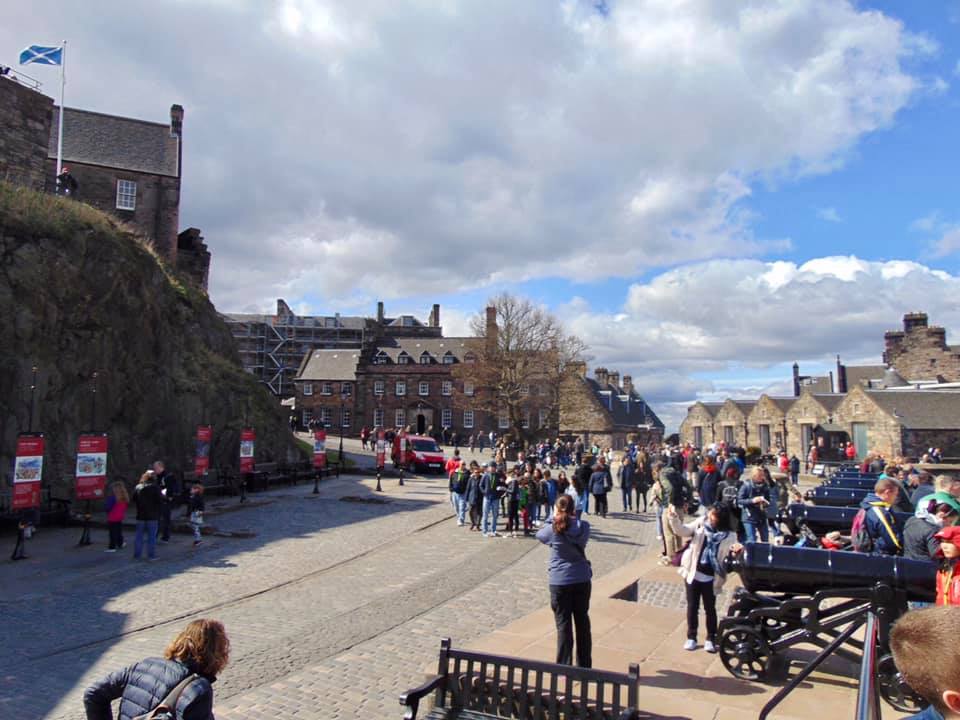
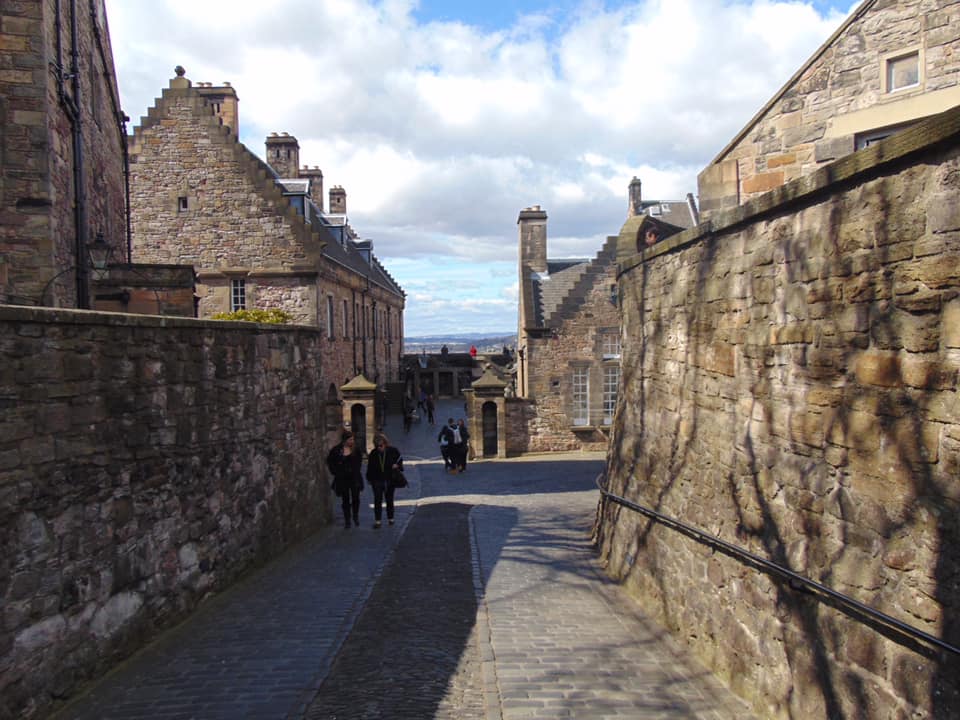
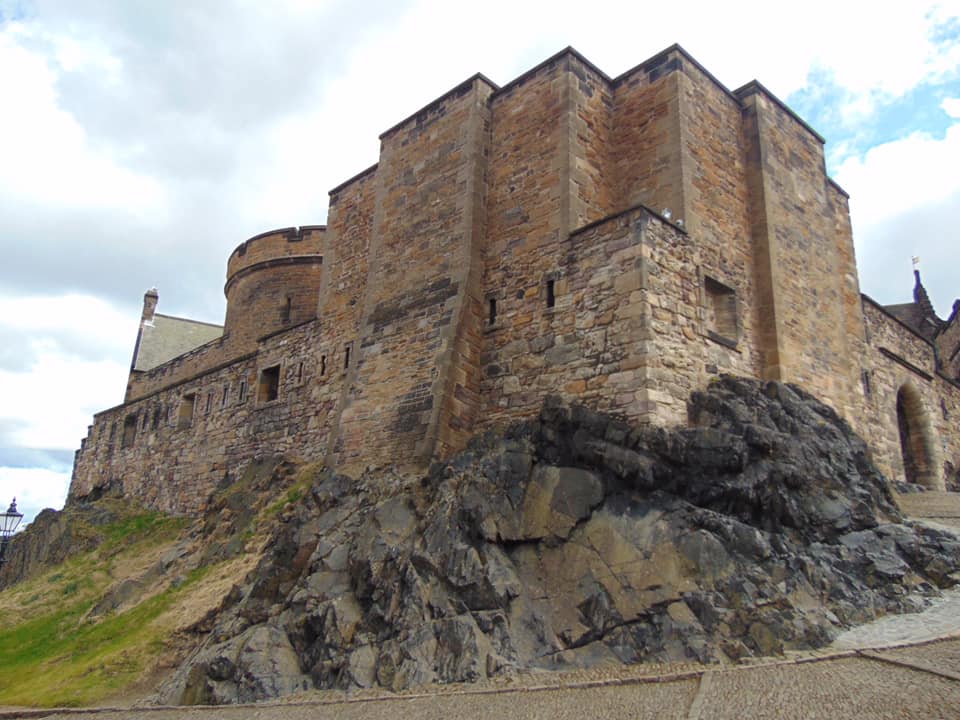
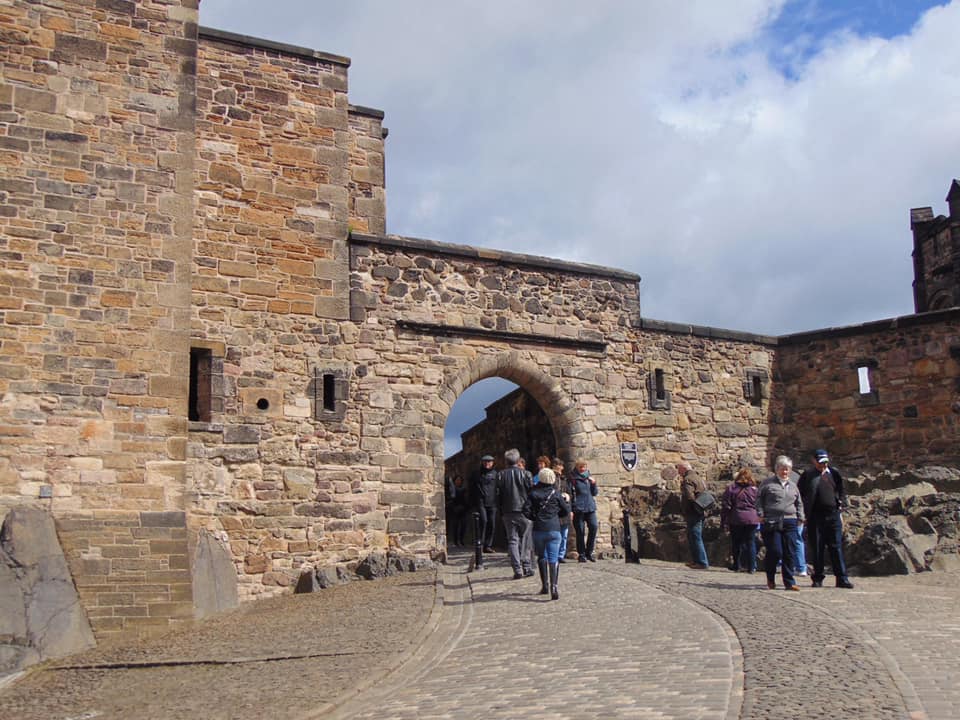
I’ve been to the castle many times over the years, with my last visit being in March a couple of years ago. It’s always extremely busy, even in March as you can see in my photos- Kaz

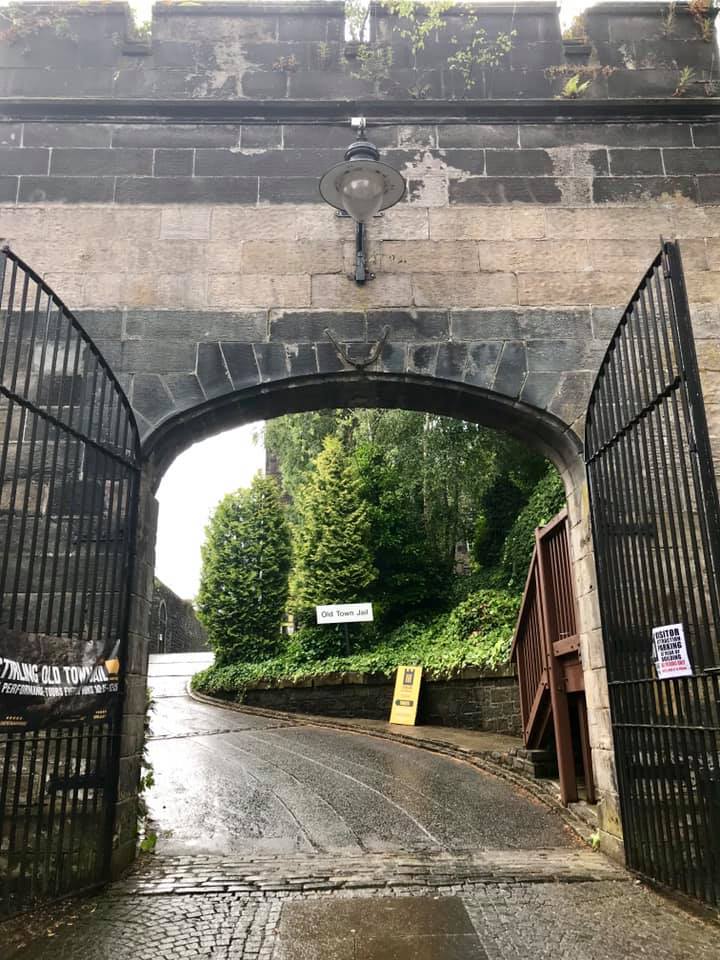
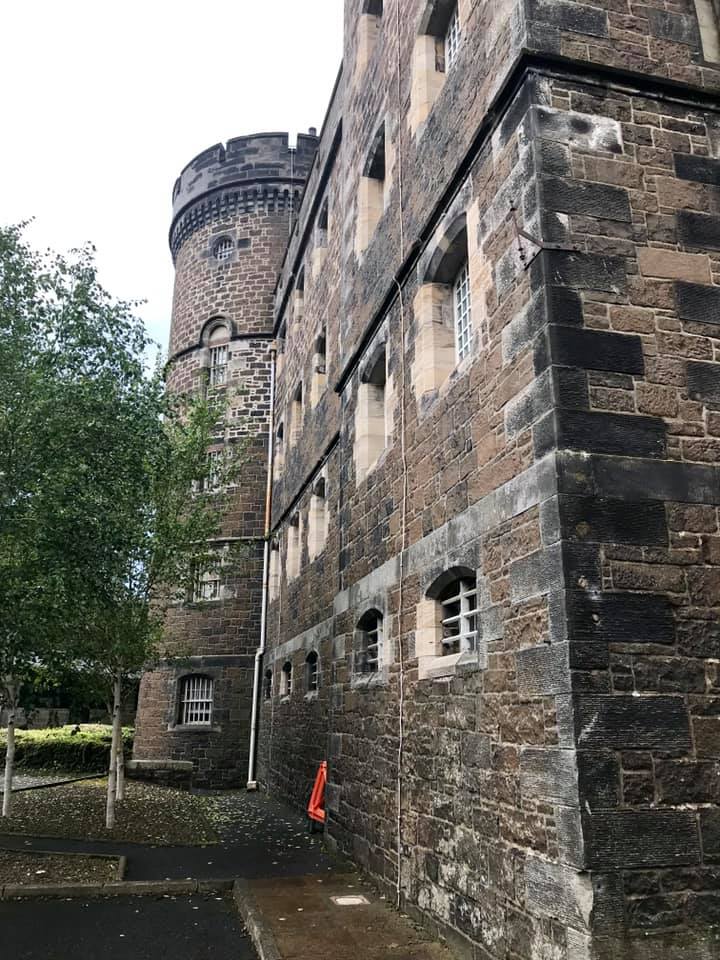
STIRLING OLD TOWN JAIL, STIRLING, SCOTLAND, UK

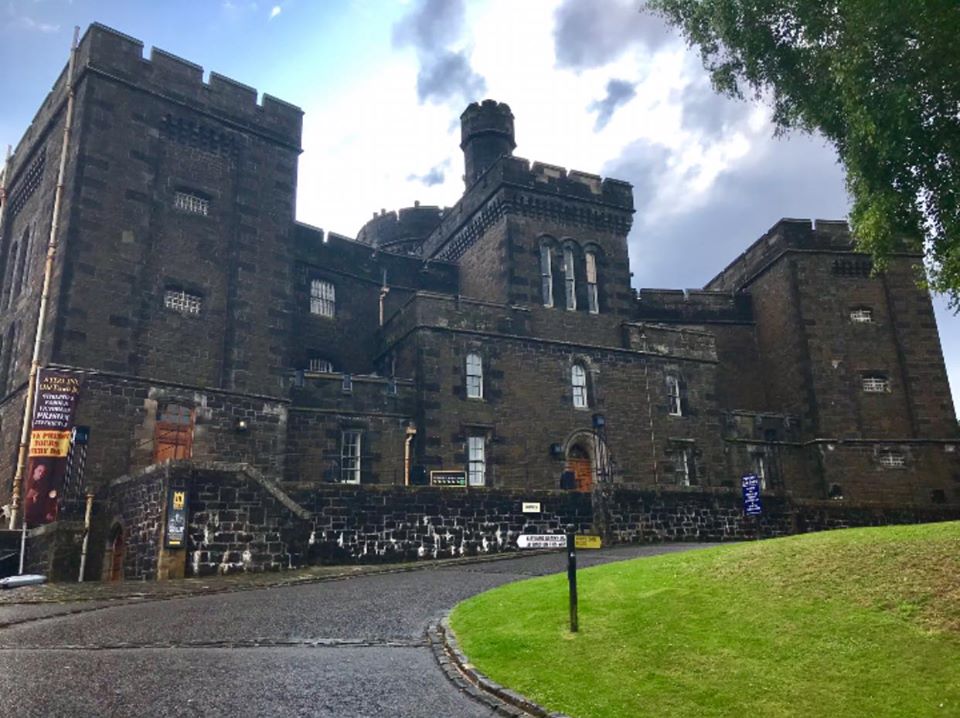
Yesterday, when I was in Stirling, I had some quick stops at some of the haunted locations in the city. The first being The Old Town Jail.

In 1847, when the Old Tollbooth became too overcrowded, Stirling Old Town Jail was built. It was known then as the New County Jail. The Old Tollbooth had been open for 400 years and was rated as the worst in Britain. Although conditions were an improvement in the newly built Jail, they were still poor. Prisoners were kept separate from each other as this was thought to encourage repentance, keep them free from distraction and improve working efficiency.

In 1888, the Jail was purchased by the War Office and became the Military Detention Barracks for the Scottish regiments. This was closed in 1935.
The Stirling’s Civil Defence Volunteers used the building before it fell into disrepair.
The middle floors were restored in the 1990’s and used as office space. The cells have been restored and in 1996 they were opened as a museum, although this closed in 2012, it has been open seasonally since 2015.

Screaming has been reported, along with other strange sounds. Some say they have heard loud dragging noises from the corridors. Visitors have reported to feeling strange and uneasy, with some saying they were left with marks or scratches on their body. Poltergeist activity has also been reported.
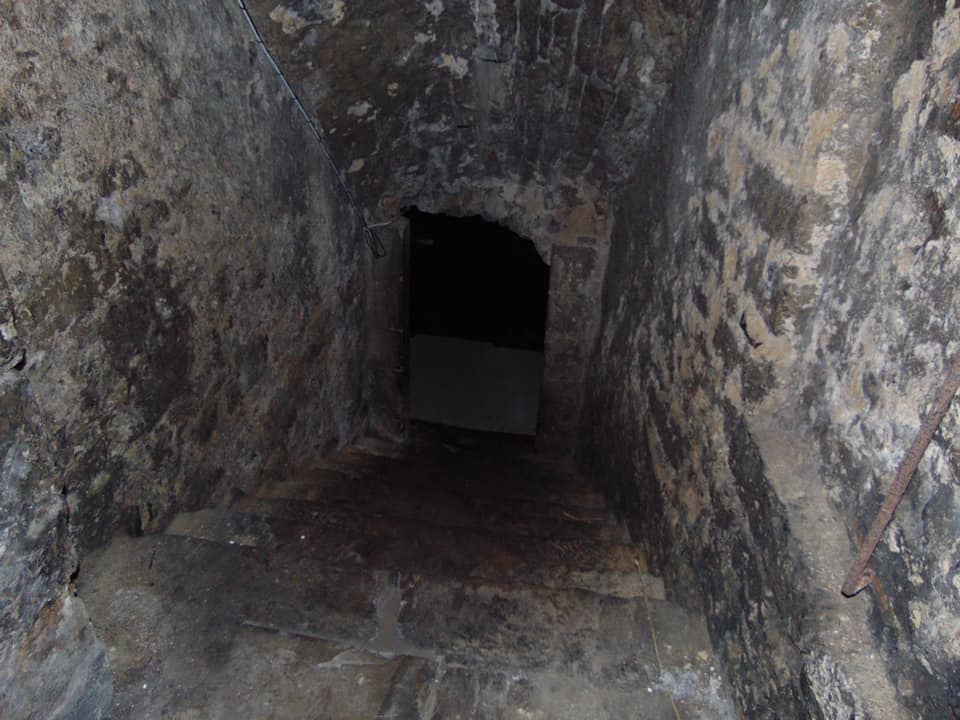
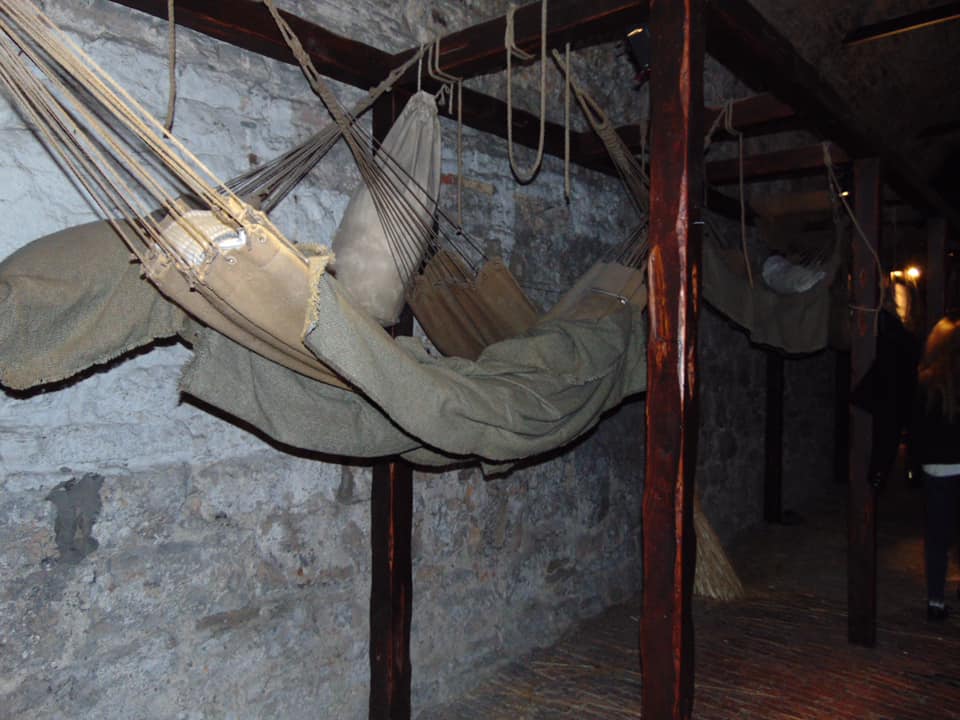
I didn’t have time to go into either the Tollbooth, which is now used as an arts venue, or The Old Town Jail.

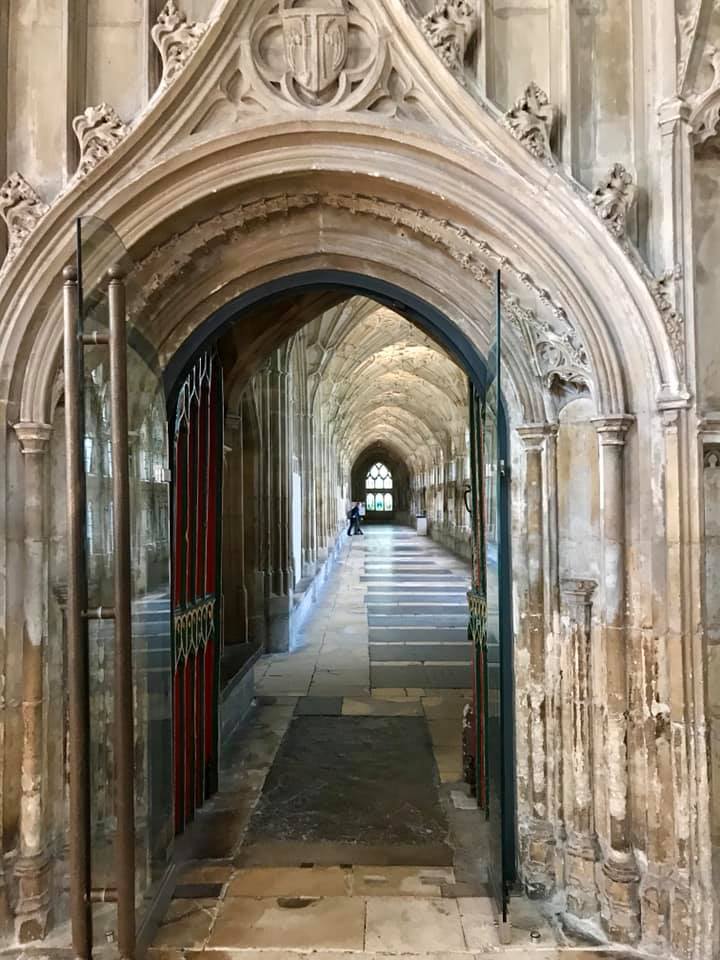
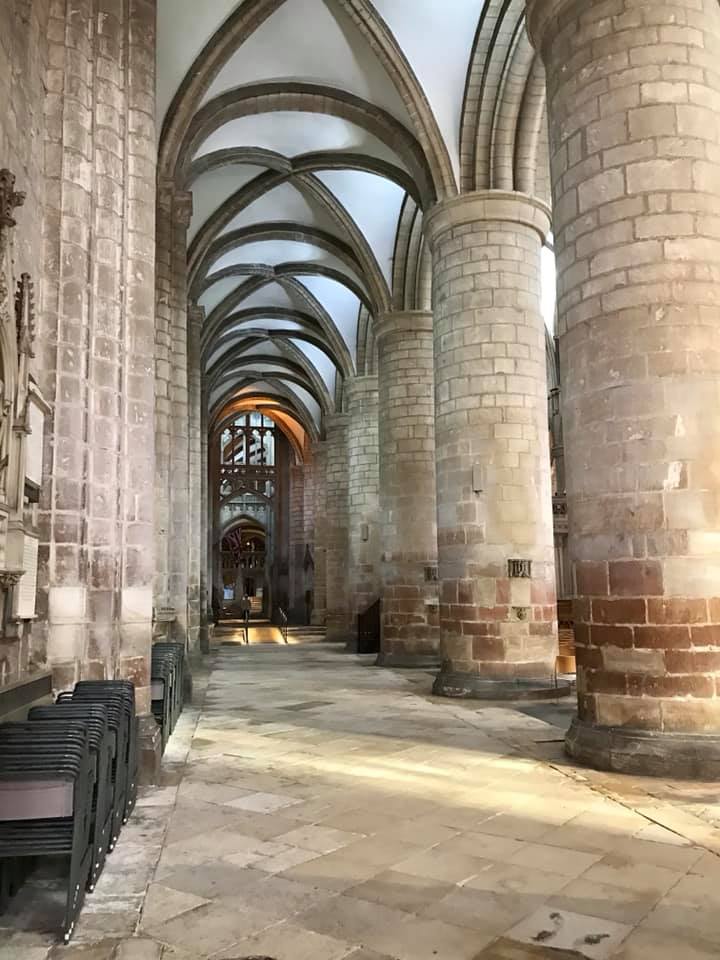
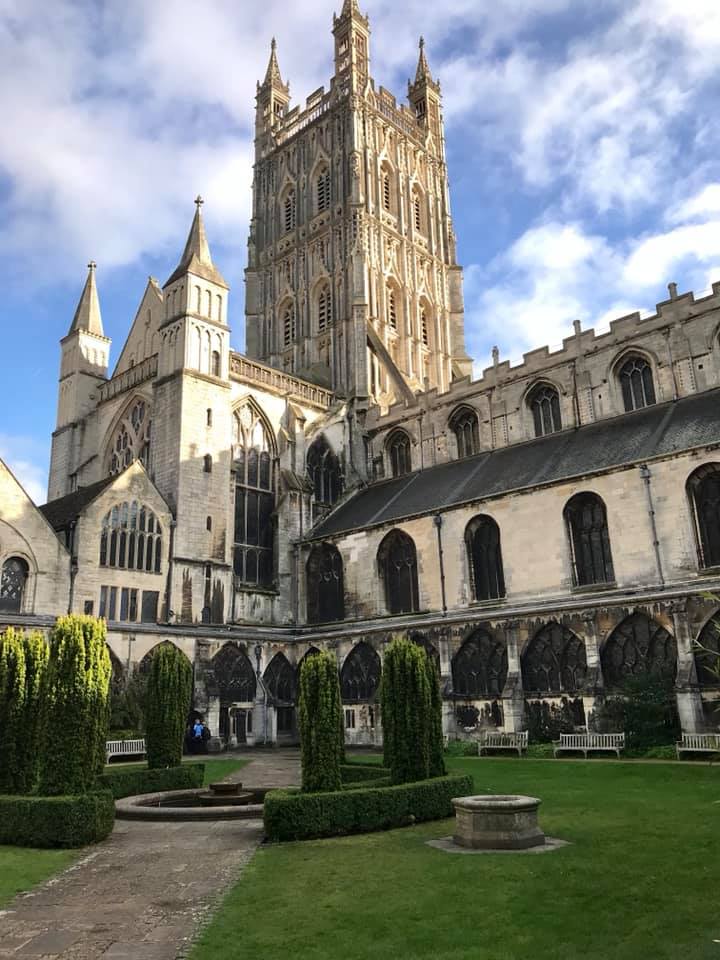
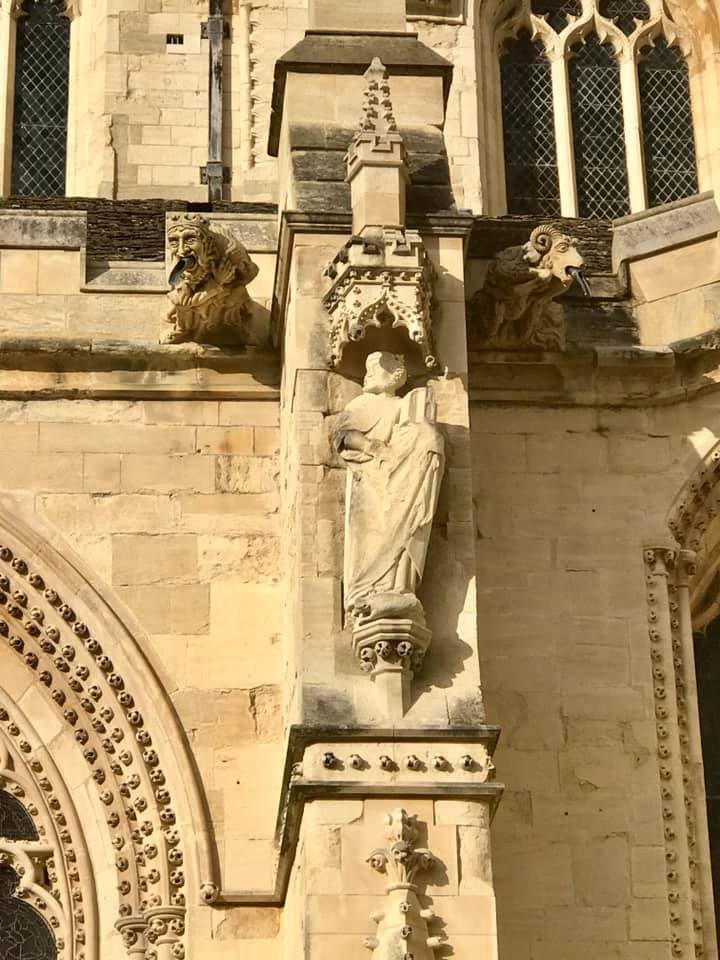
Gloucester Cathedral, England, UK

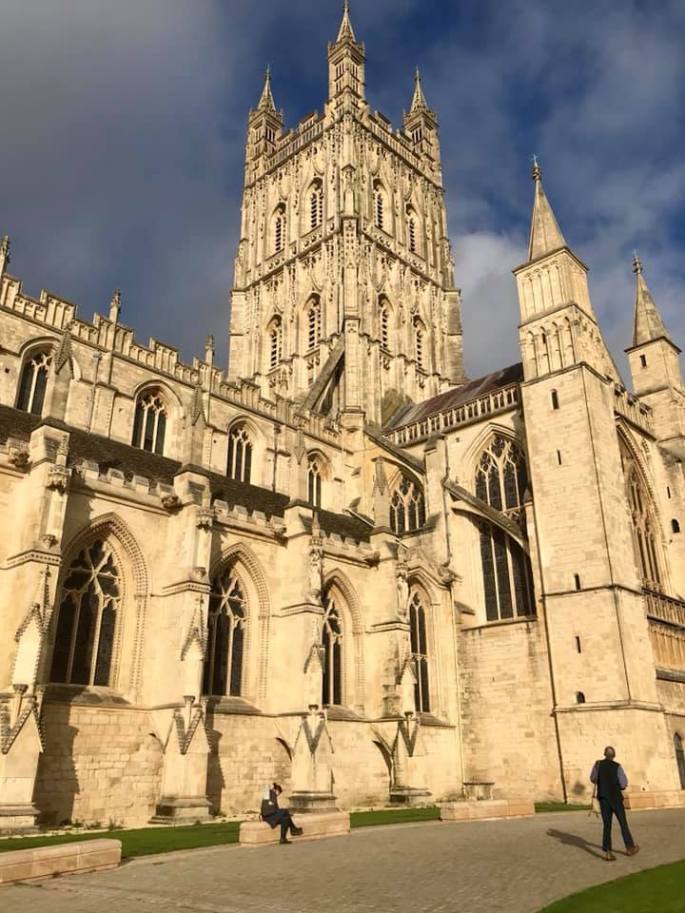
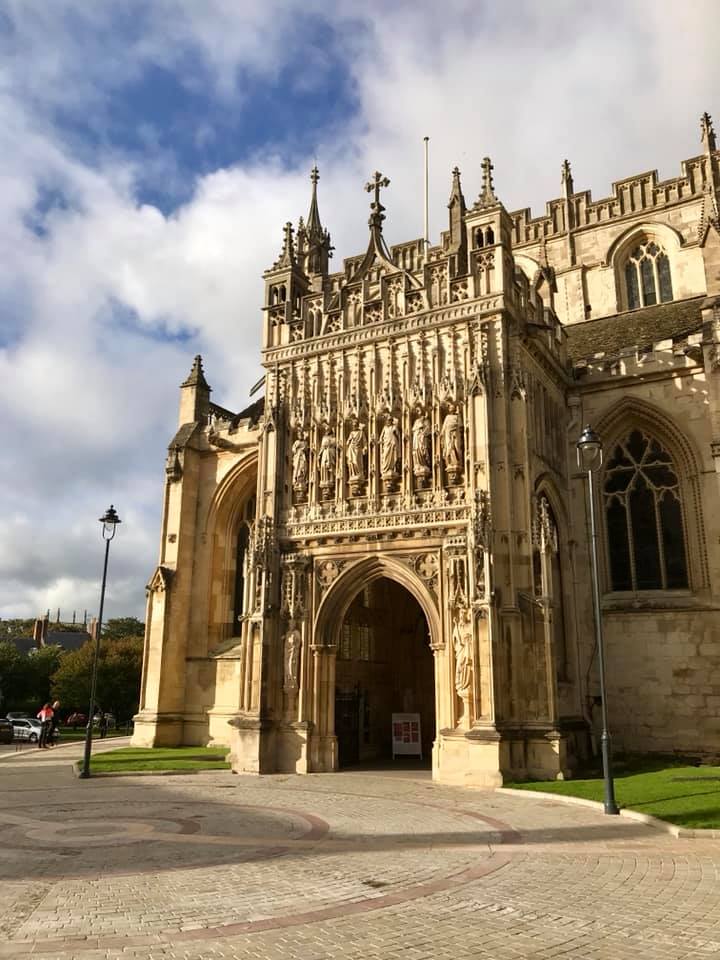
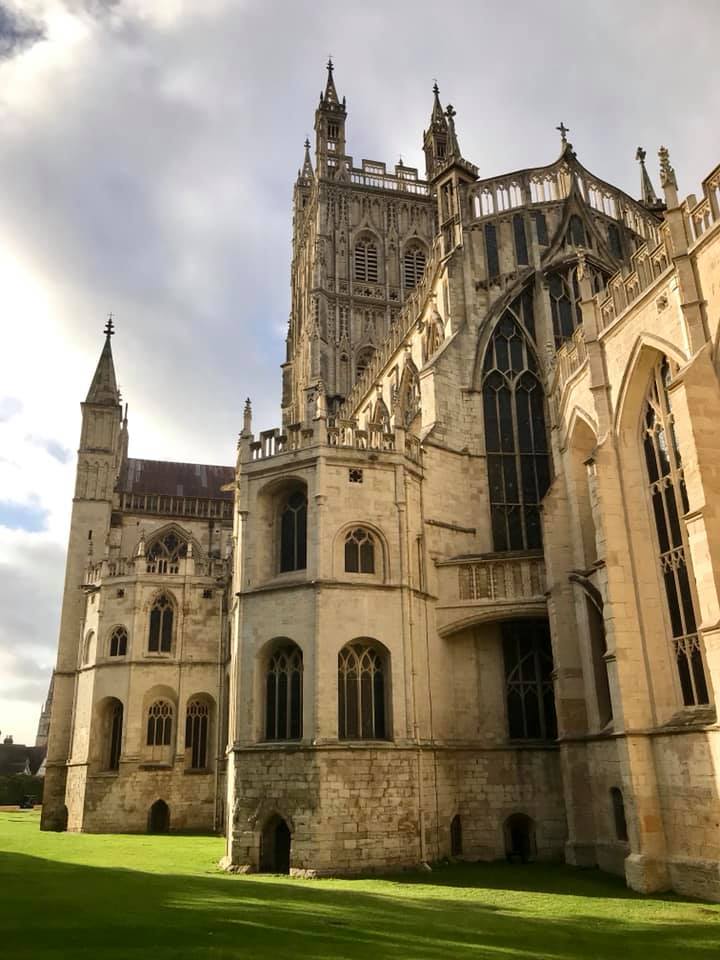
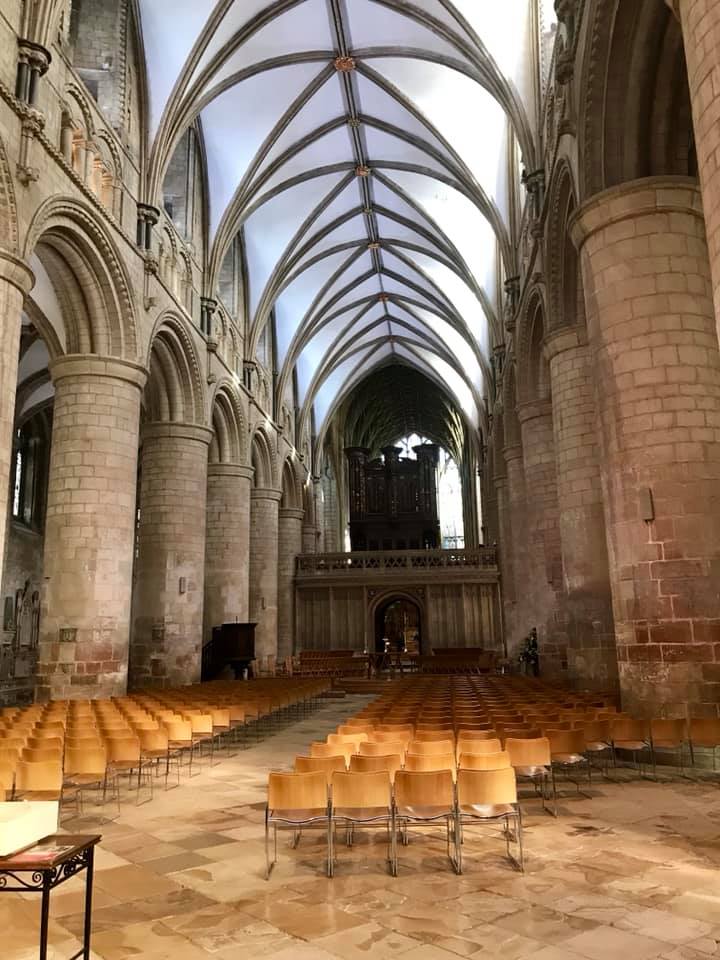
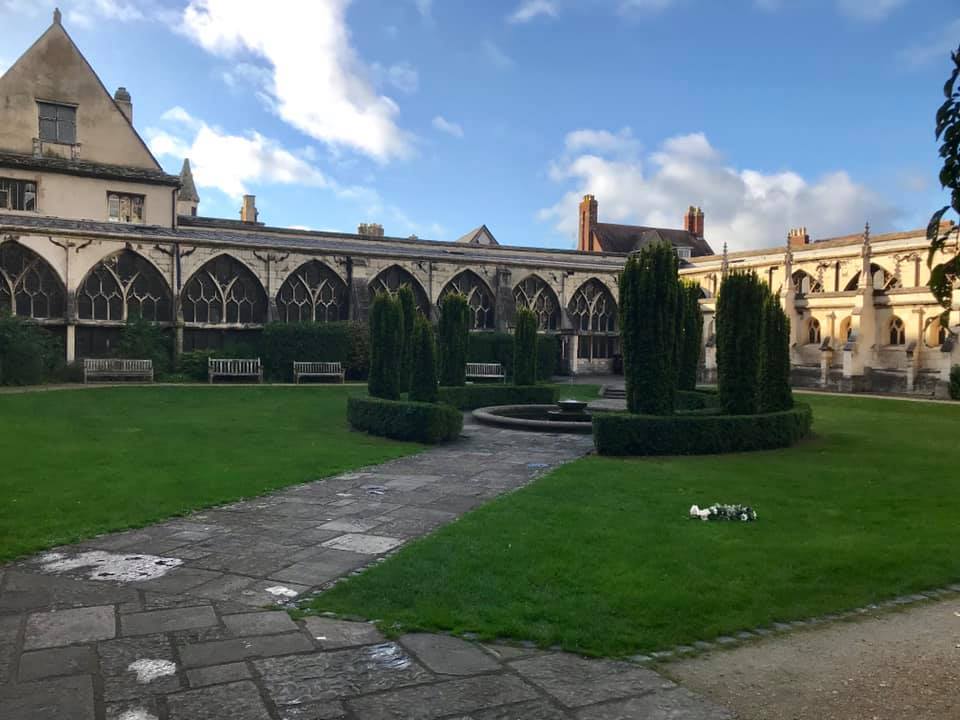
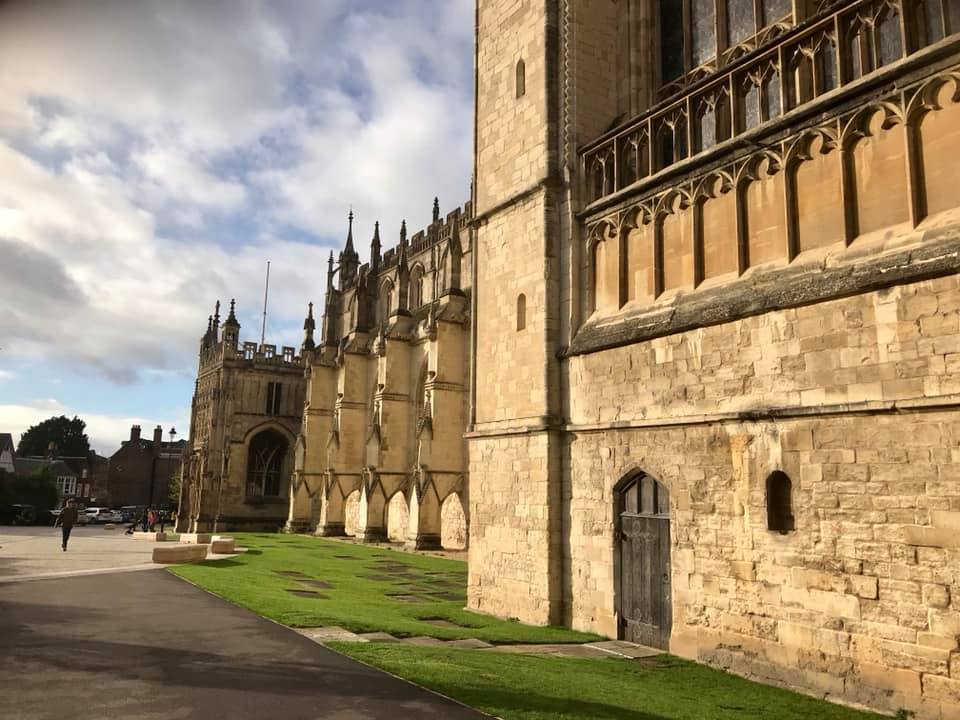
While David was on his weekend investigations of Gloucester, I visited some of the local sights. First off was Gloucester Cathedral.

Prior to the Cathedral, there was an Abbey from the 7th century on the site. This became a Benedictine Monestary in the early 11th century.
The first church was built here in 1089, and although it has changed and been extended over the years, the crypt is still the original layout.
Henry III was crowned in Gloucester Cathedral in 1216, the only king to be crowned outside of Westminster since the Norman invasion.

Edward III creates a tomb for his father, Edward II, here, and miracles started to happen when people visited. This brought donations in and allowed the Norman Abbey Church to be built. Robert of Normandy, first son of William the Conqueror, is also buried in the cathedral.

When the East window was installed in 1350, it was the largest stained glass window in the world. The central tower was built around 1450. During World War II, the window was dismantled and kept in the crpyt, it reportedly took 14 months to put it back.

The Abbey was dissolved in 1540, but the church was turned into a Cathedral in 1541 when Henry VIII created the Diocese of Gloucester.

The organ was originally constructed in 1666 by Thomas Harris and has the only complete 17th-century cathedral organ case surviving in the country.

A major restoration was carried out in 1847.

The Cathedral has been used for filming in the Harry Potter films, Dr Who, and Sherlock.

There is a statue of the judge who presided over one of the last witch trials, who dismissed the case as there was no law against flying!

The Cathedral is said to be haunted by a victim of the plague, a cleric, and also by an Imp who reportedly caused until it was turned to stone.

The New Inn, Gloucester, England, UK

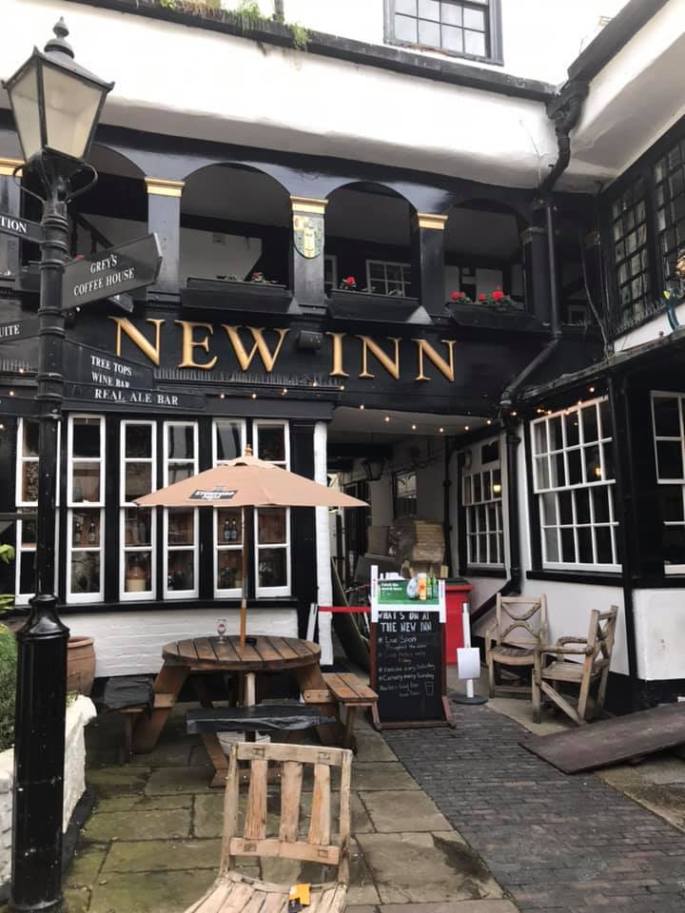
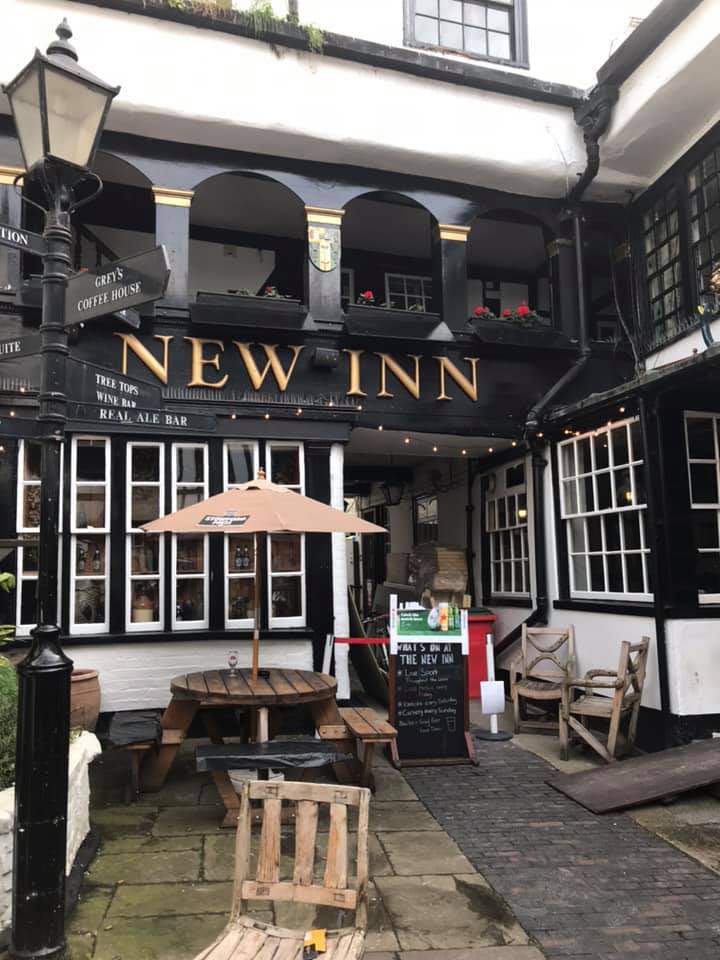
While David is on a weekend Investigation, he is staying at the New Inn, in Gloucester.

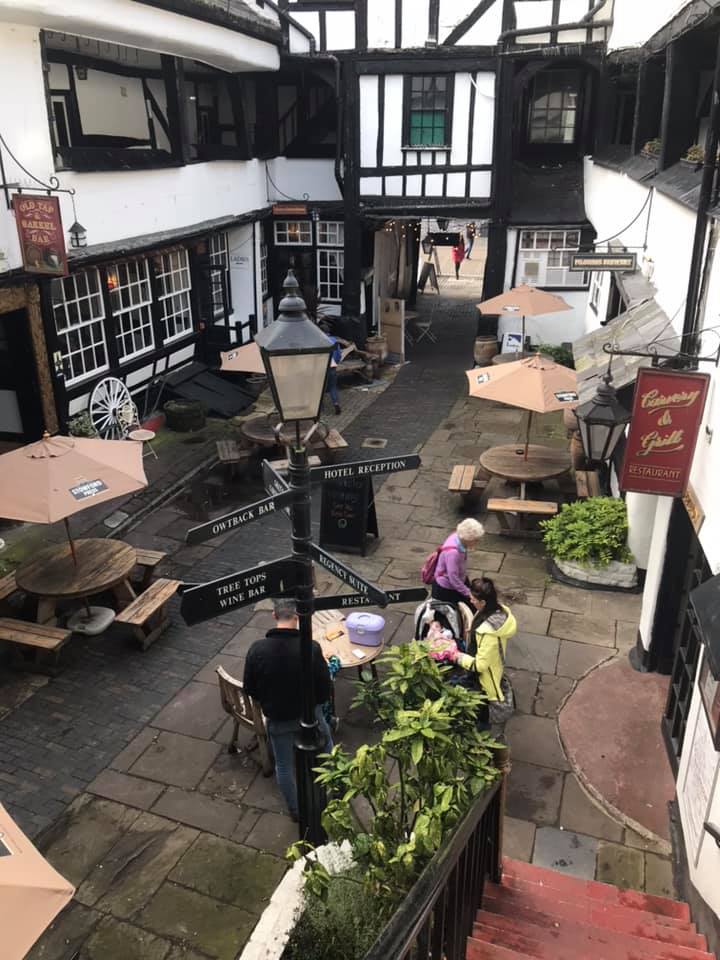
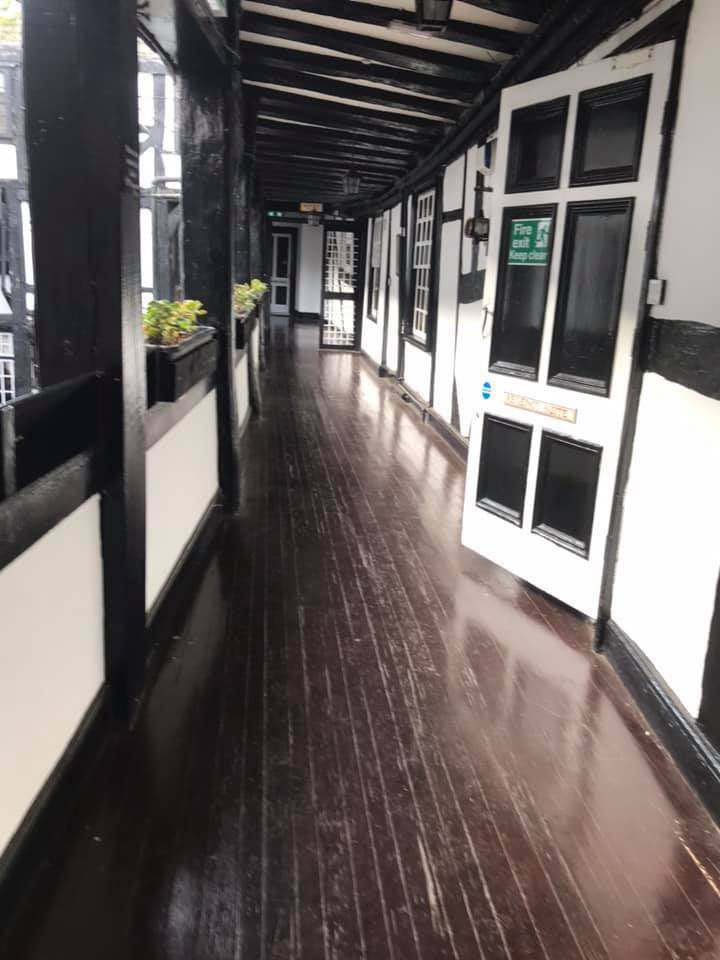
It was built in 1450 by the Monk John Twyning and is the most complete surviving example of a medieval courtyard inn with galleries in Britain.

In 1553, King Edward VI died and Lady Jane Grey was proclaimed Queen from the first floor gallery by the Abbott of Gloucester.

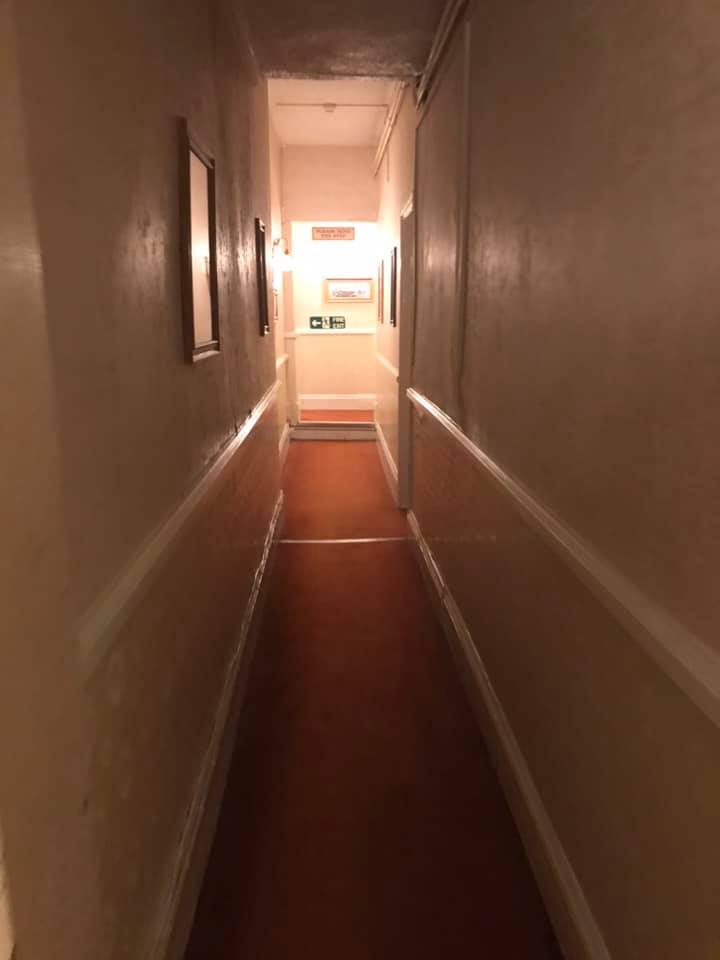
In the cellar, strange sounds, including whispering, have been heard. A glass was recorded on CCTV apparently disappearing. There is said to a ghost that resides in the kitchen who gets upset if it is left untidy, and a bad tempered spirit wanders the cellars

CLEARWELL CAVES, FOREST OF DEAN, ENGLAND, UK

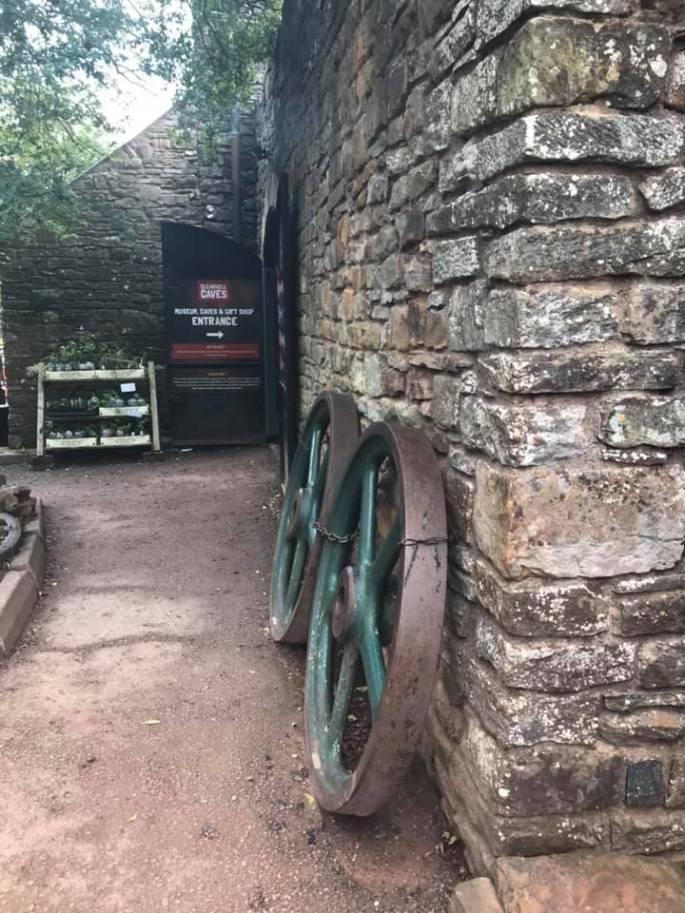
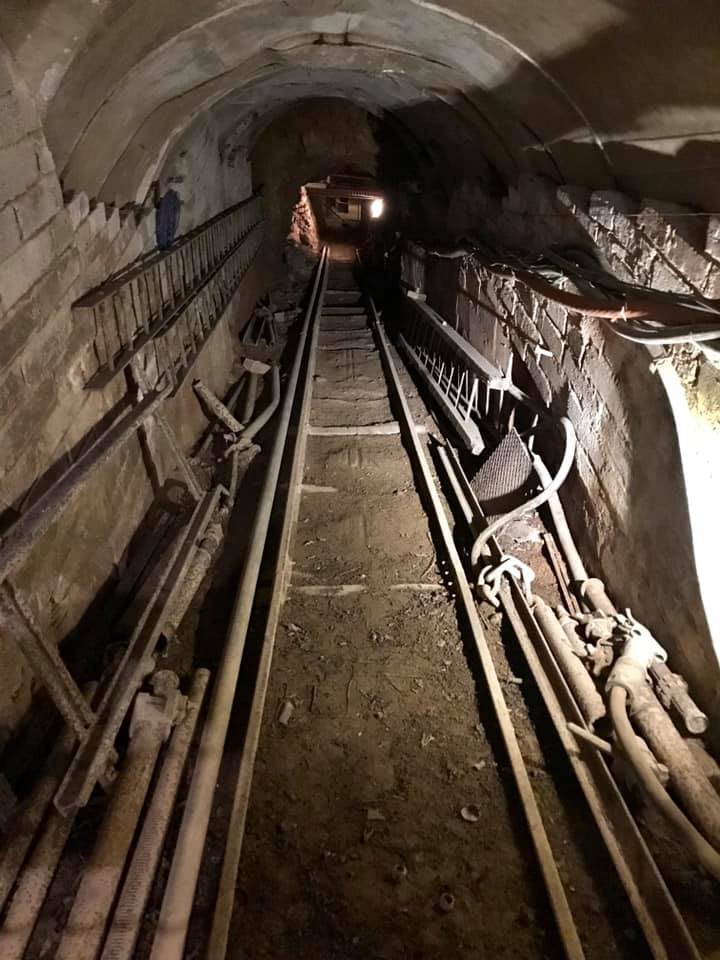
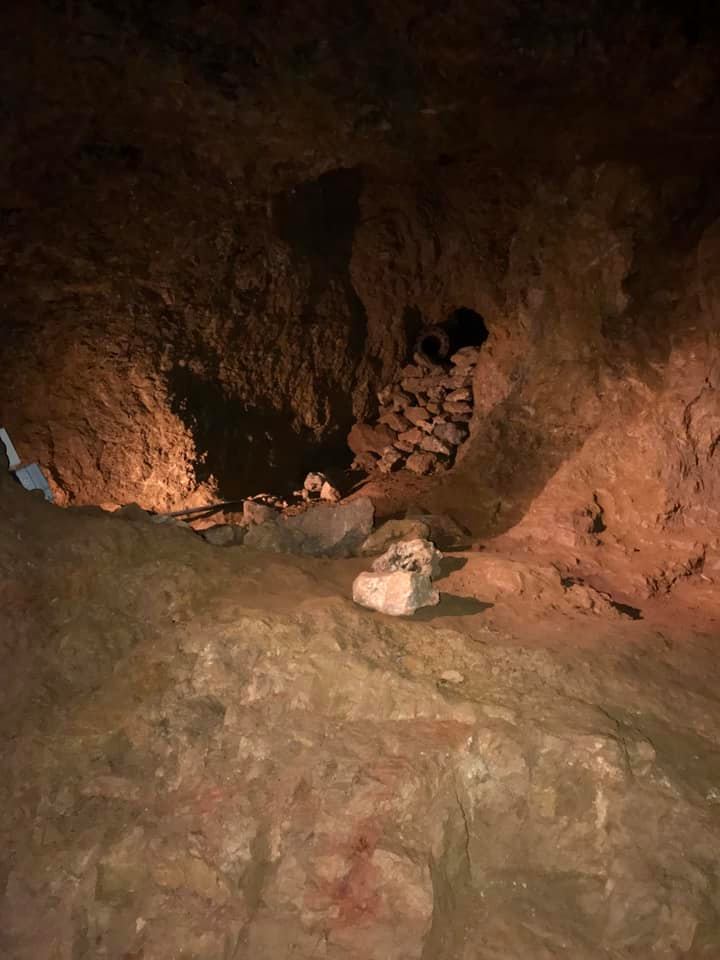
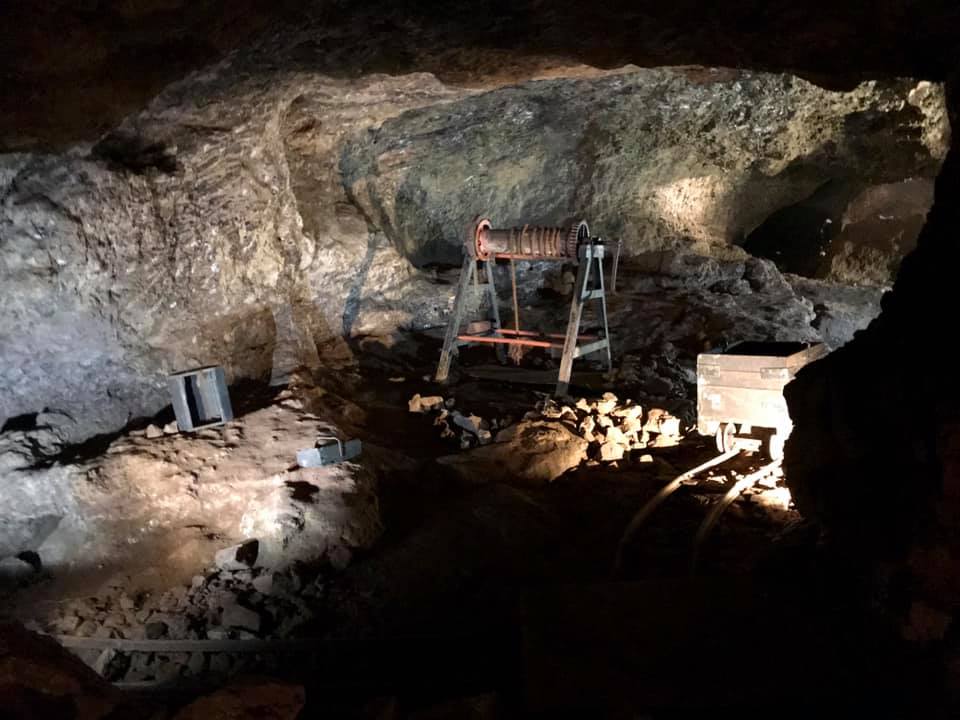
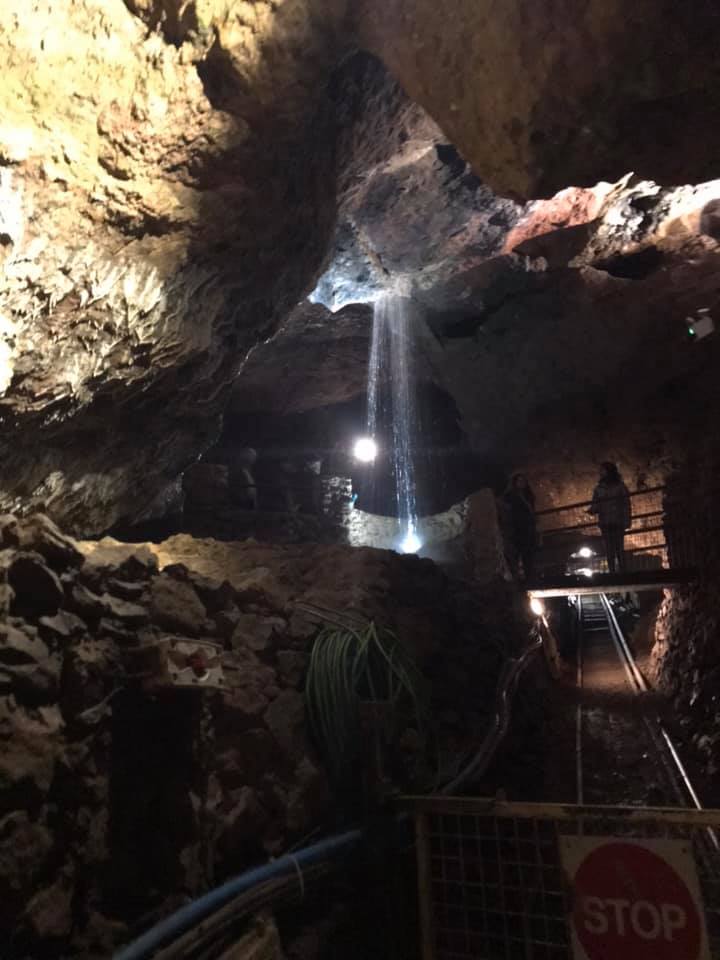
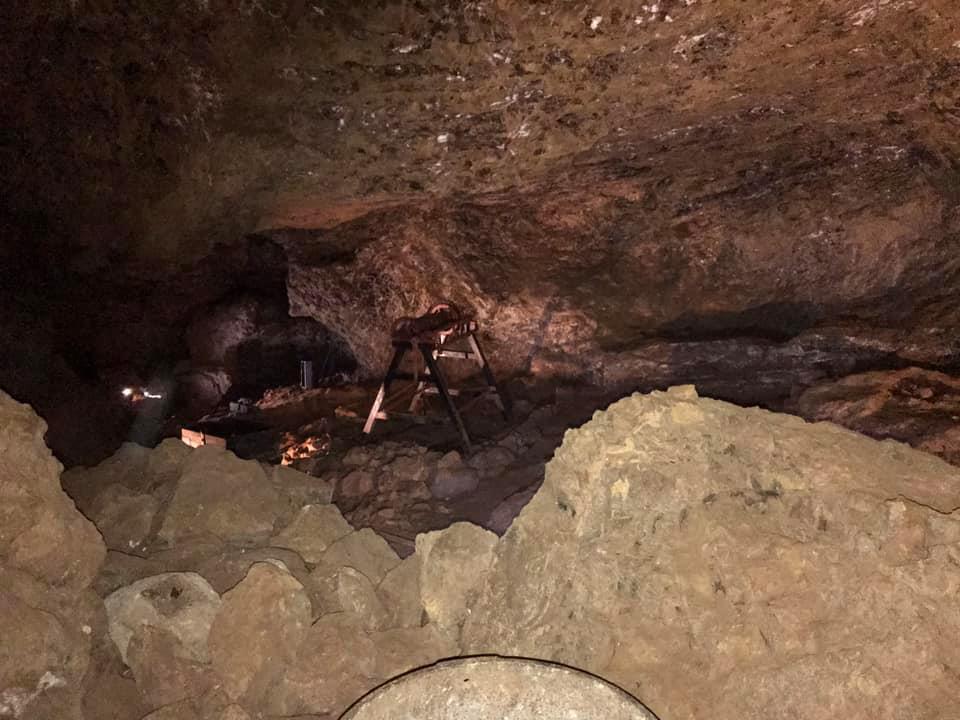
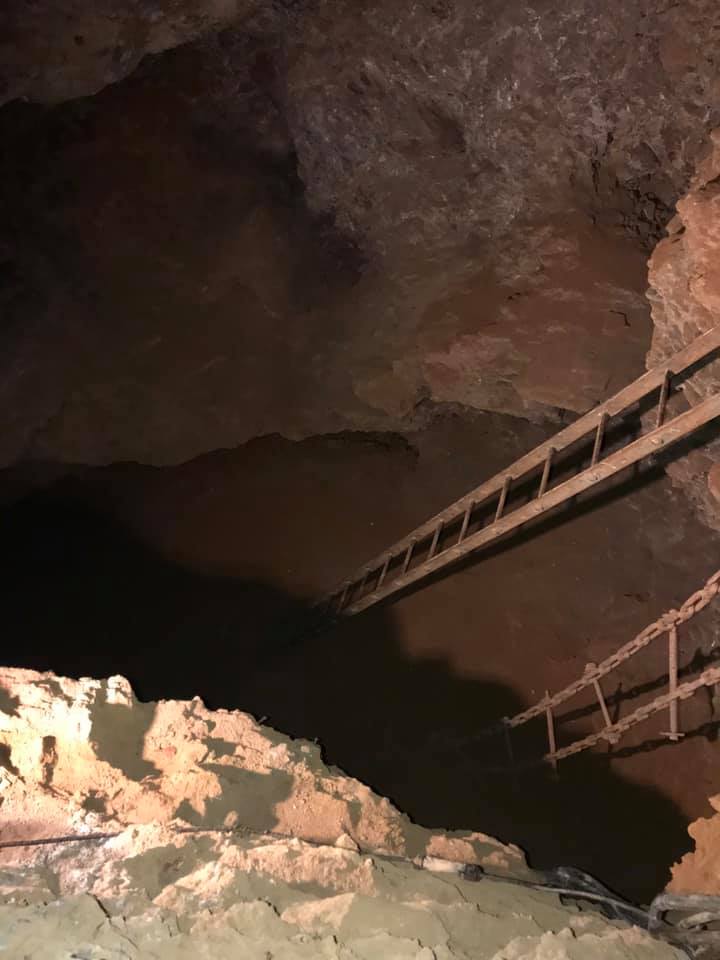
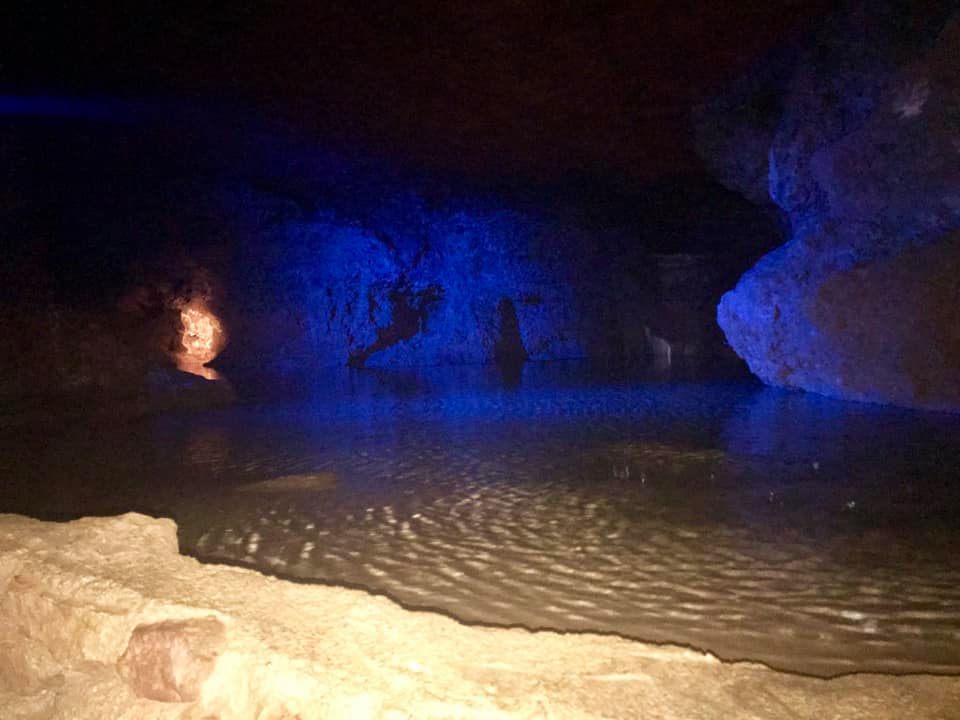
While down in Gloucester for David’s weekend of ghost hunting, I travelled to Clearwell Caves. You can choose to go much deeper into the caves as part of a tour but due to the time we arrived there we couldn’t do that so we did the walk through of the higher up caves by ourselves.

These are a natural cave system which have been mined for Ochre and Iron Ore. It’s now open as a mining museum.

The caves were formed 180million years ago by underground streams. They have been used as mines since the Roman times. Six mines operated inside the caves. Occasionally the mines still operate to produce ochre, and it’s known as one of the few places where purple ochre can be found.

The caves were used in the filming of the Christmas episode of Dr Who in 2005.

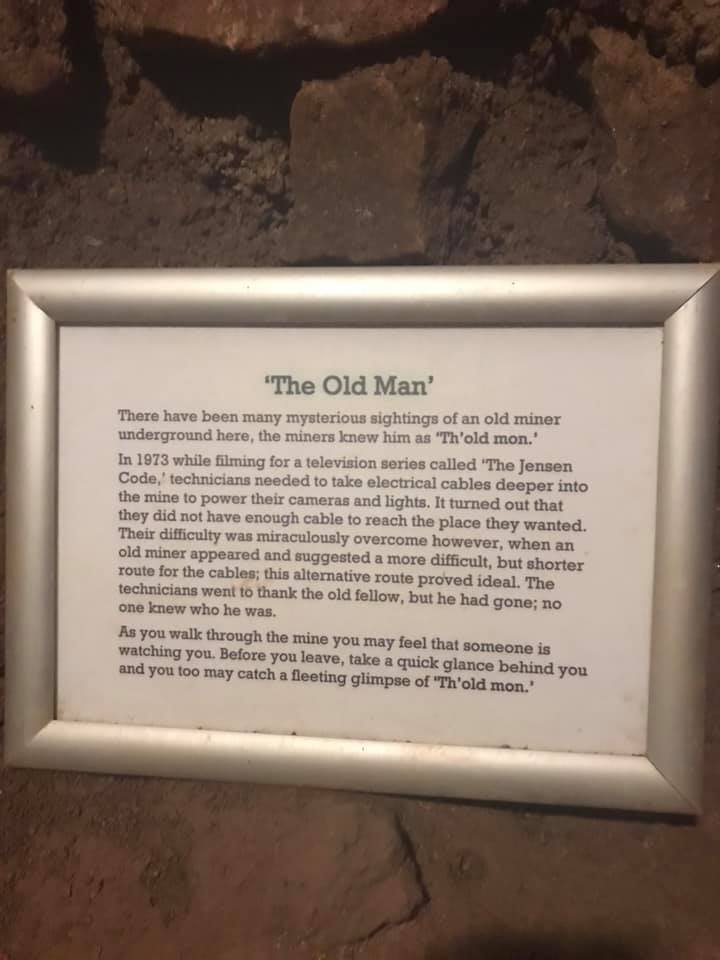
People have reported hearing noises in the caves, including metal clanging in the distance, footsteps have been heard, pick axes being used. An miner has been spotted,he was known as ‘Th’ Old Mon’ to the workers in the mines. People have reported feeling watched as they walk through the caves.

BUCHANAN CASTLE, DRYMEN, STIRLINGSHIRE, SCOTLAND, UK

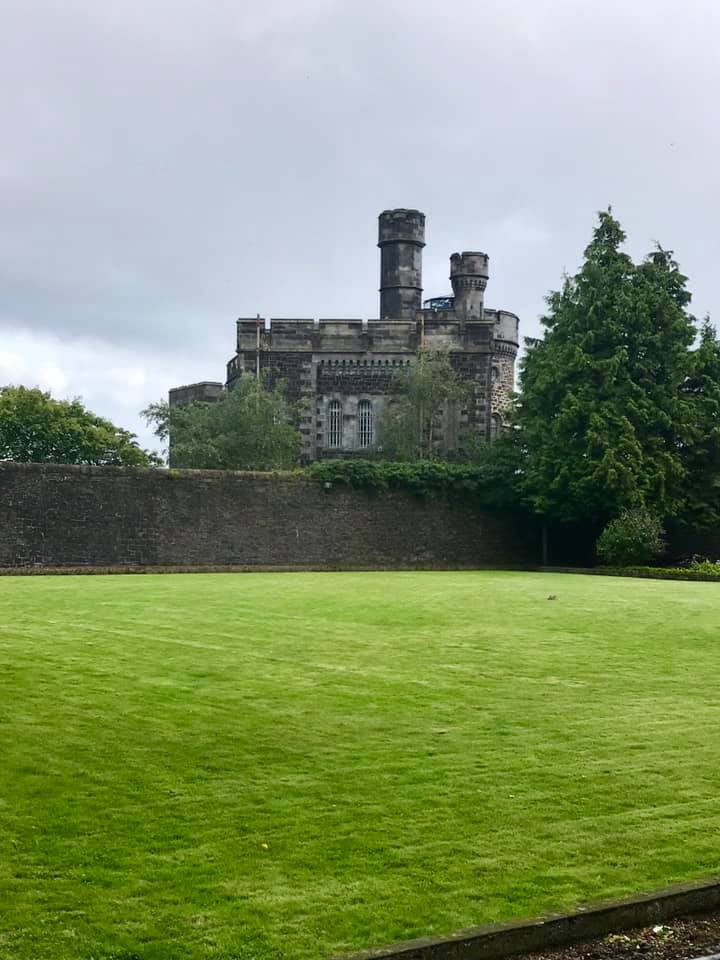
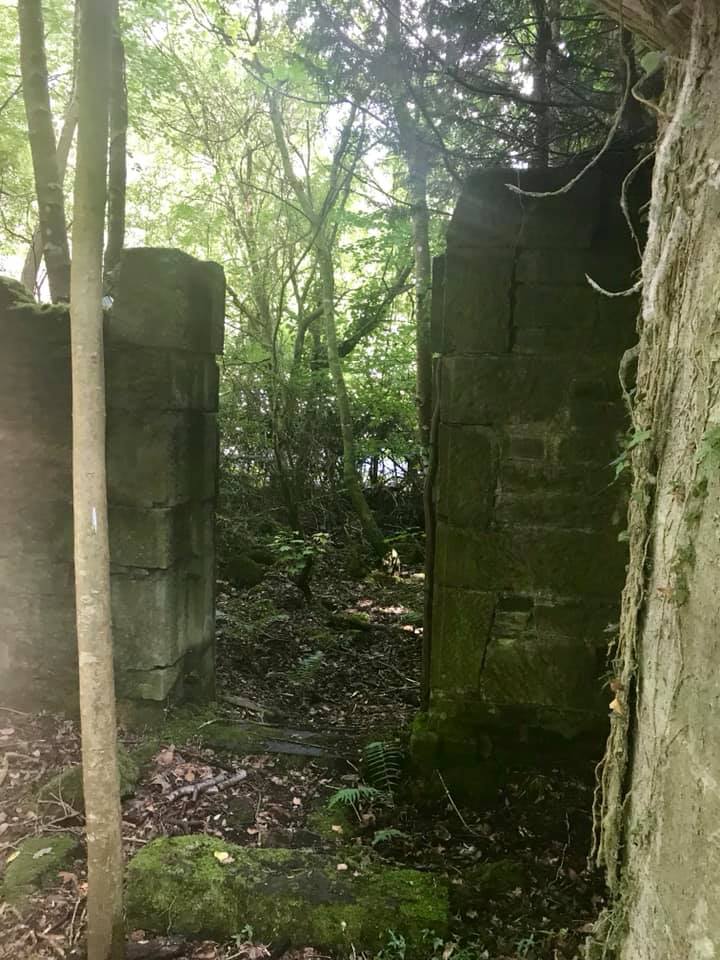
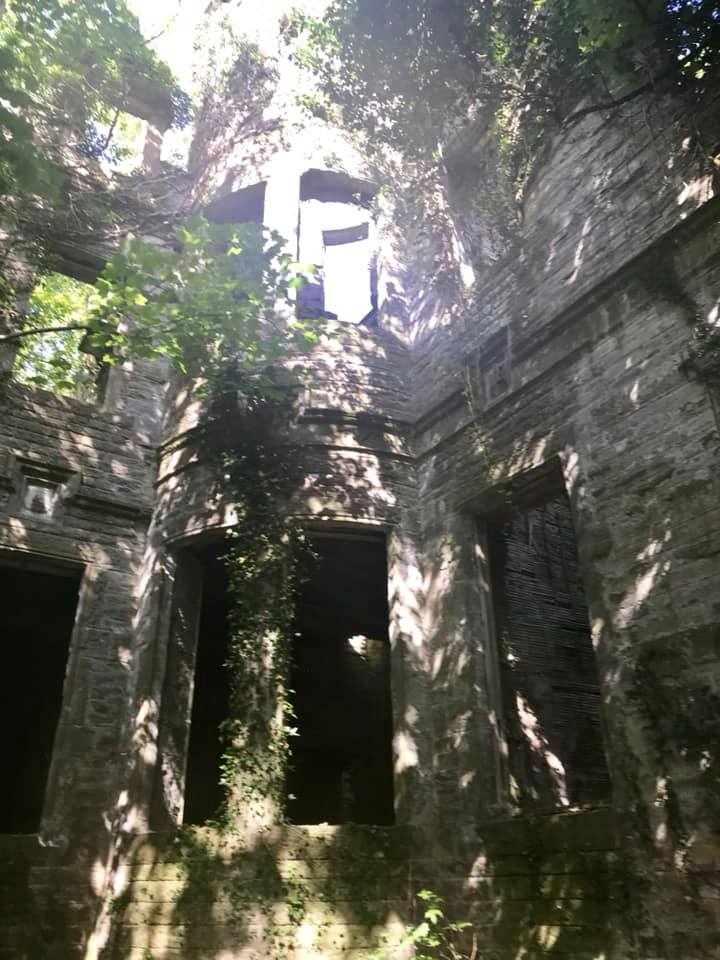
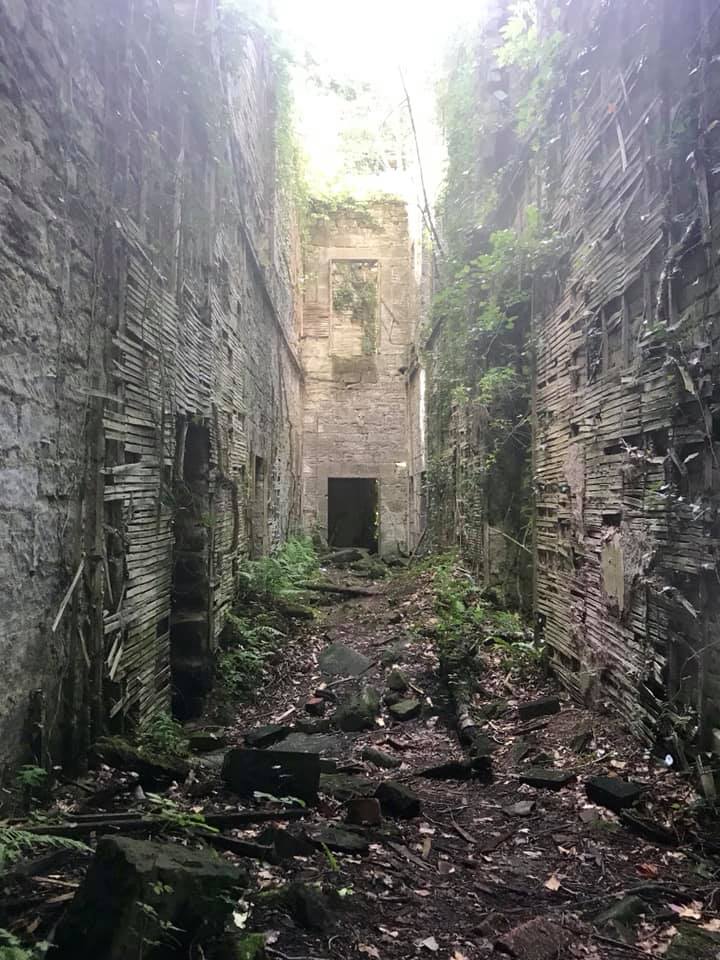
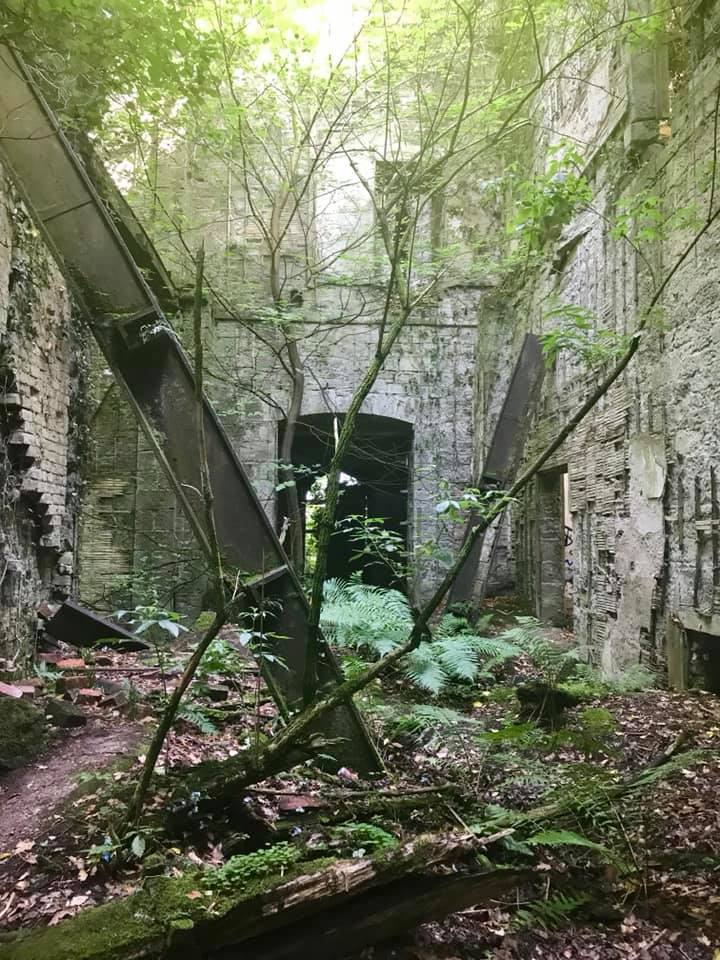
Buchanan Castle is near the village of Drymen in Stirlingshire.

The castle was committed by the 4th Duke of Montrose, James Graham and was built around 181852-1858. It was built to replace the nearby Buchanan Auld House which was destroyed by fire in 1852.

The lands were the property of theClan Buchanan until late in the 17th century when they passed onto the Clan Graham. The castle is still the Seat of the Clan Graham.

It was sold, and in 1930 it was used as a hotel.

This was short lived though, as during the Second World War, it was used as a hospital. It had many patients, including Rudolf Hess, who had crashed his plane while on a spy mission.

After the war, it was briefly used as an Army School of Education.

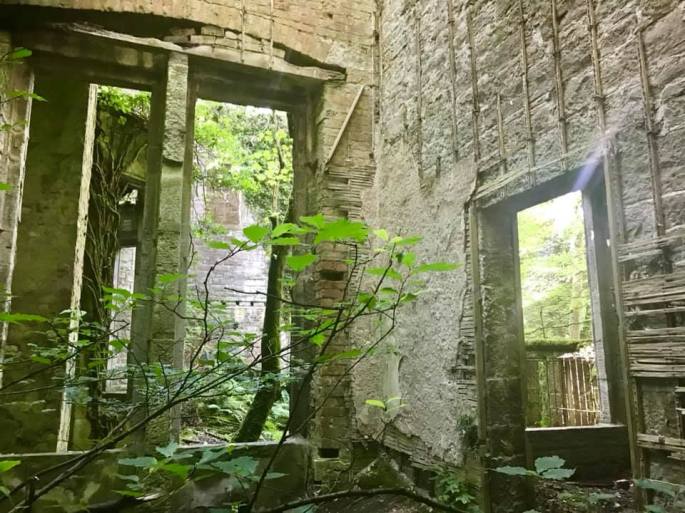
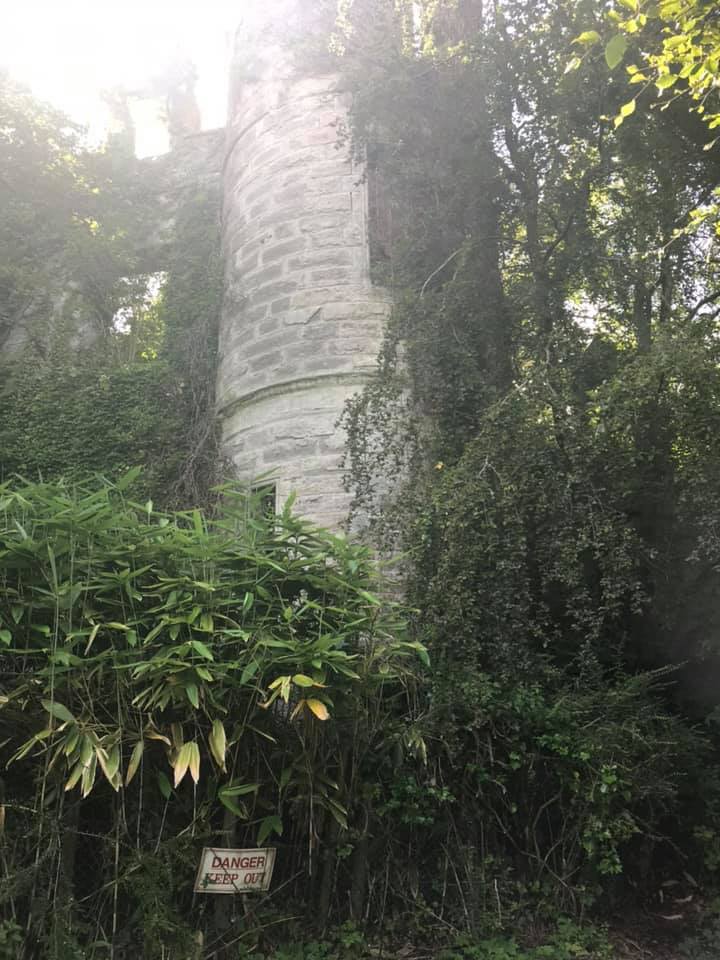
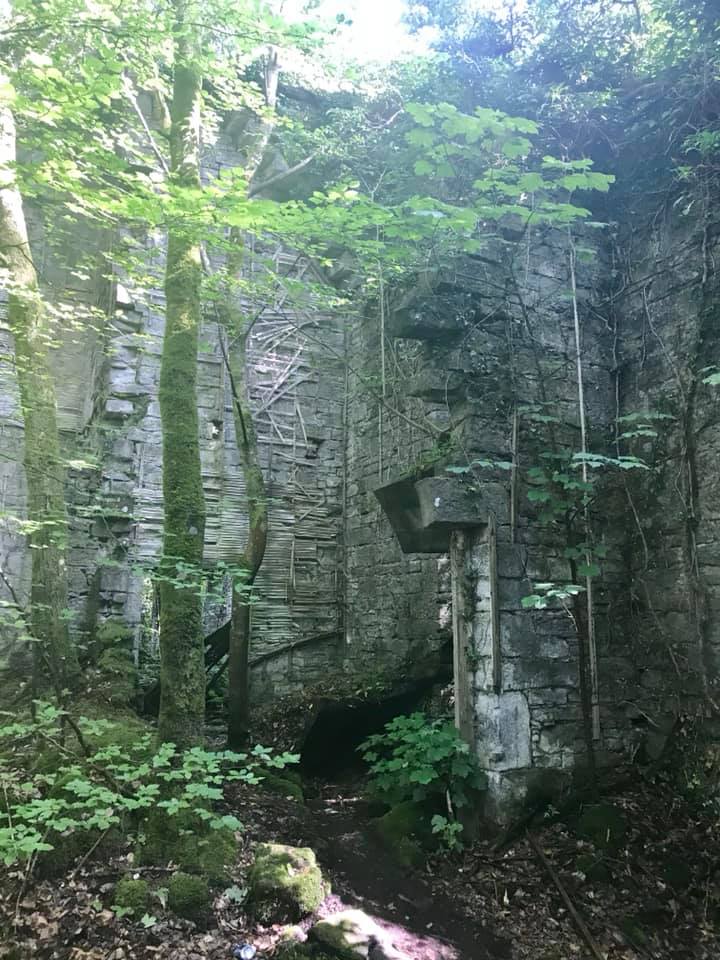
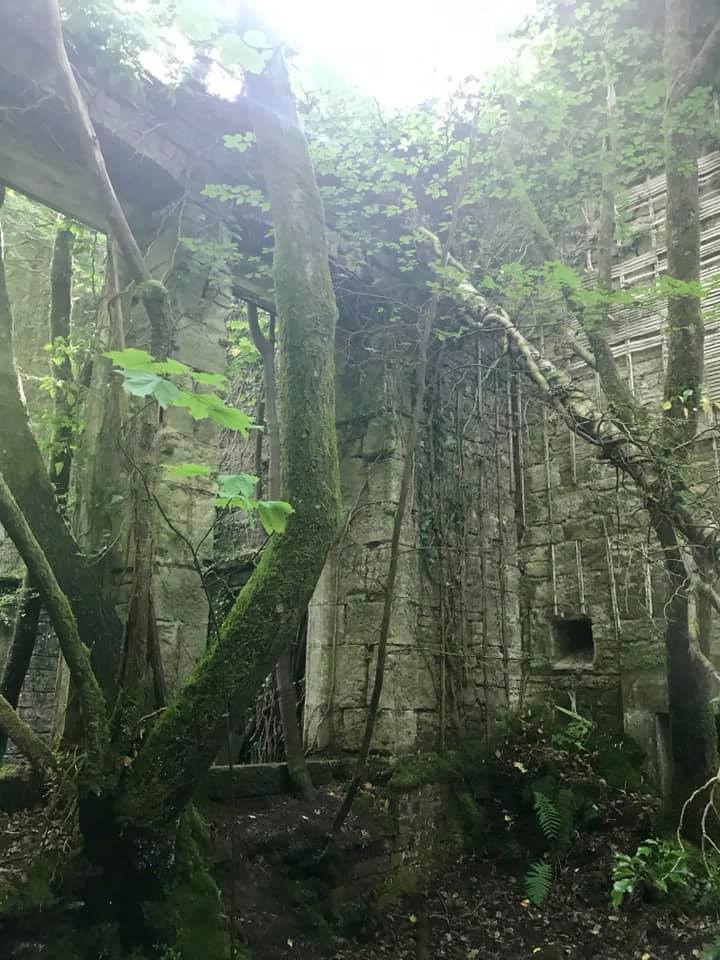
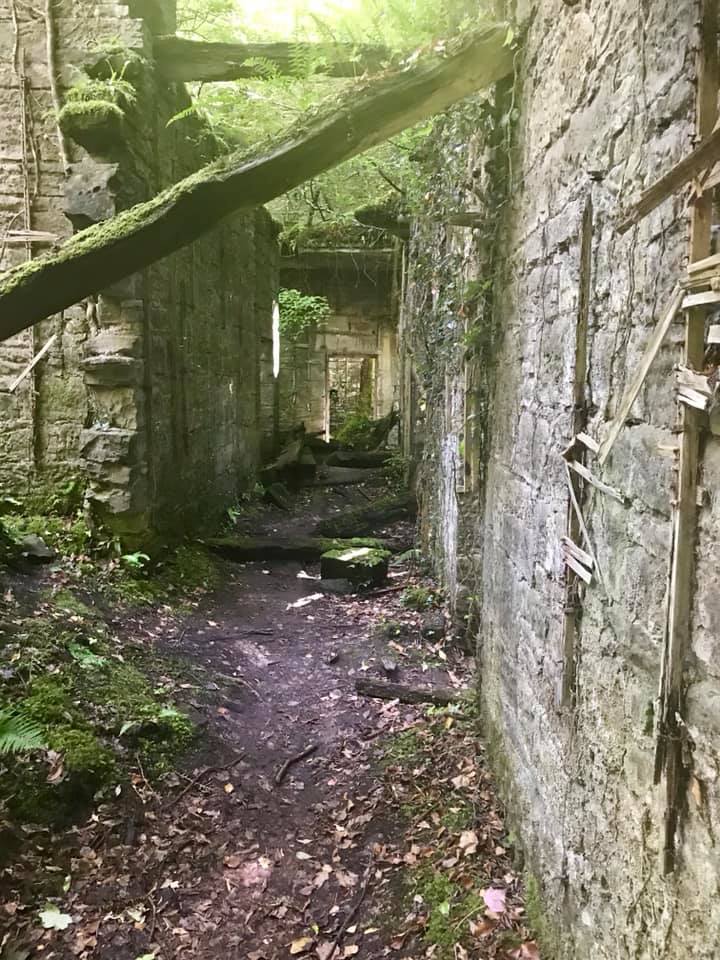
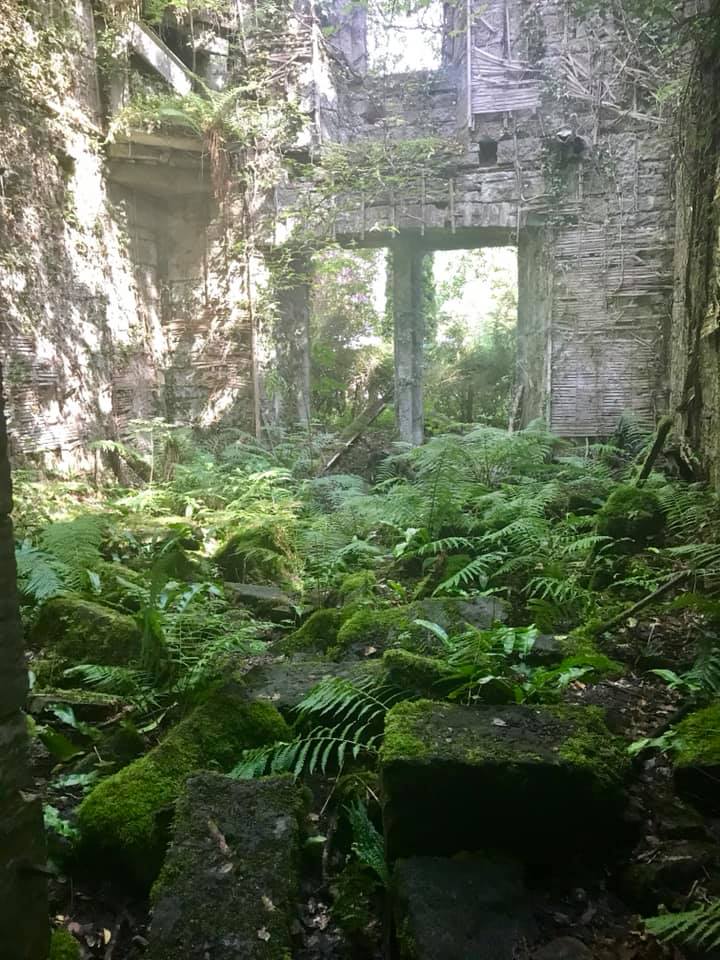
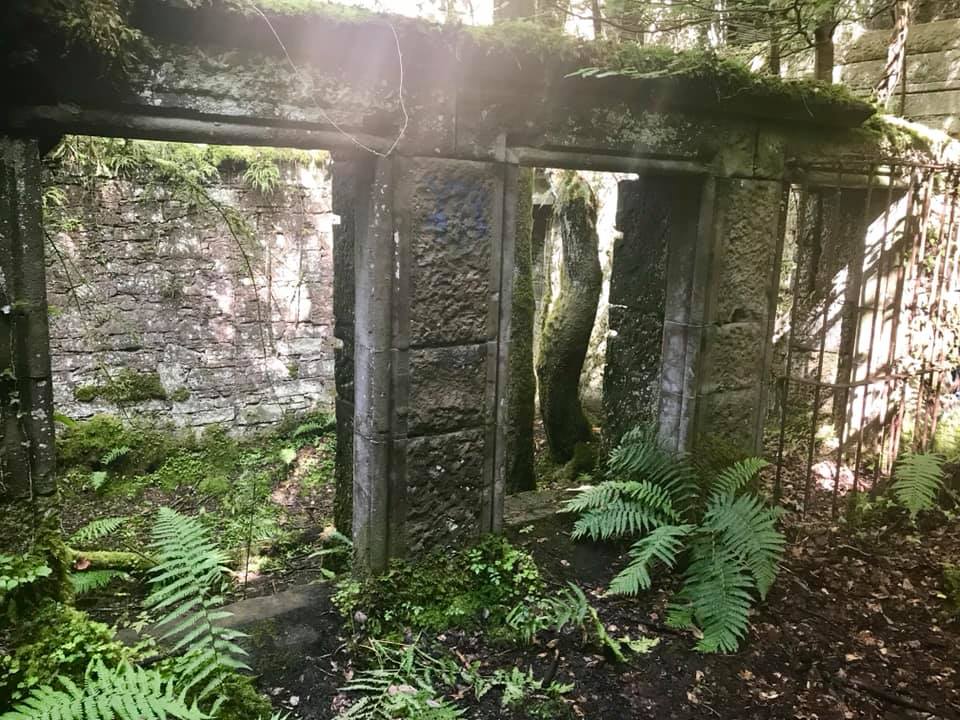
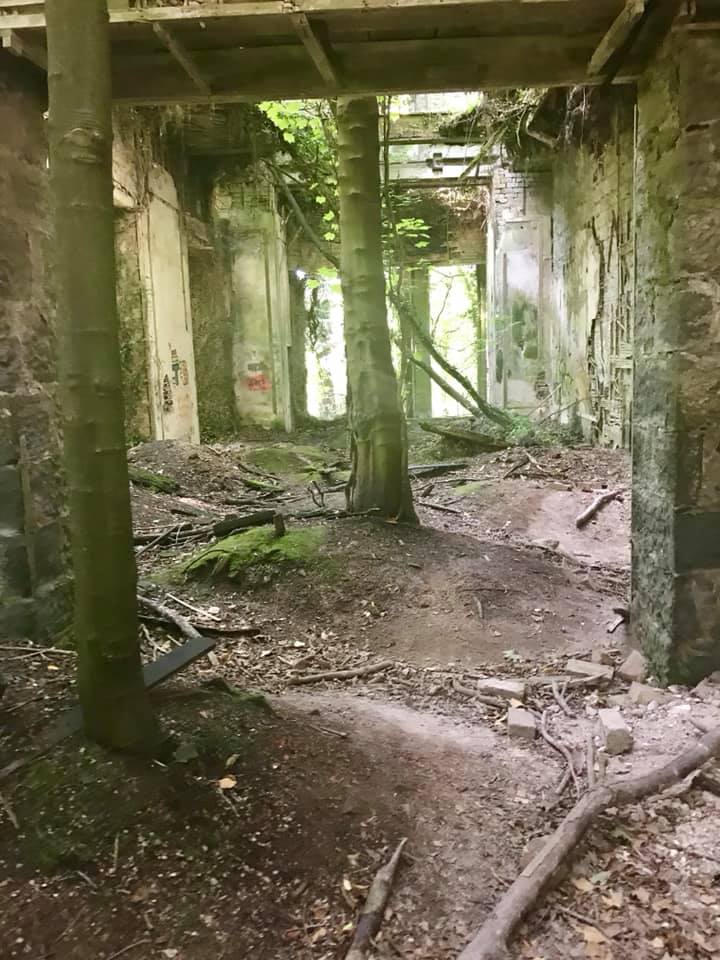
The roof was removed in 1954 in order to save paying taxes and the castle has been left to deteriorate.

There were plans to turn the castle into luxury flats, but the plans were denied.