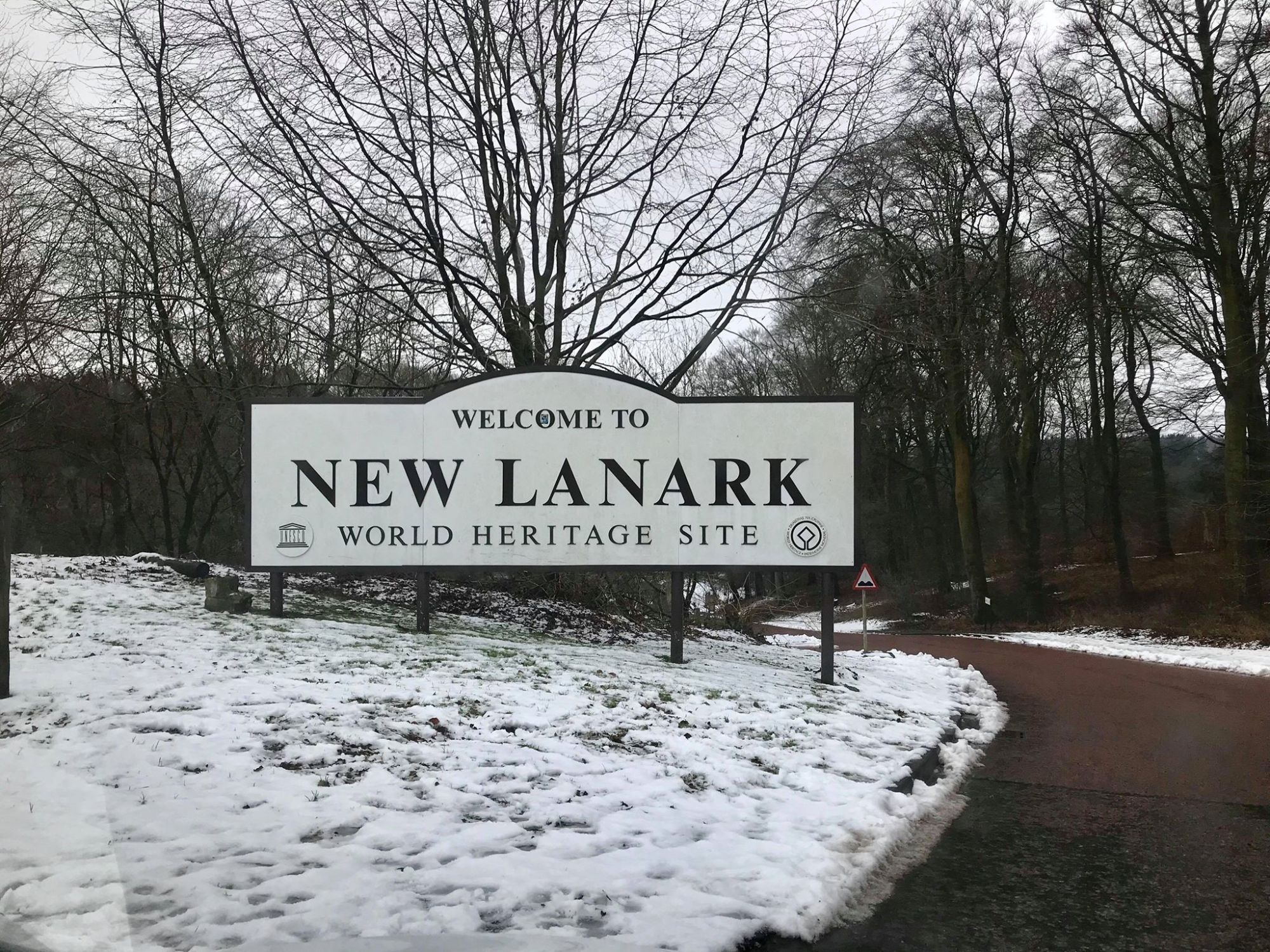
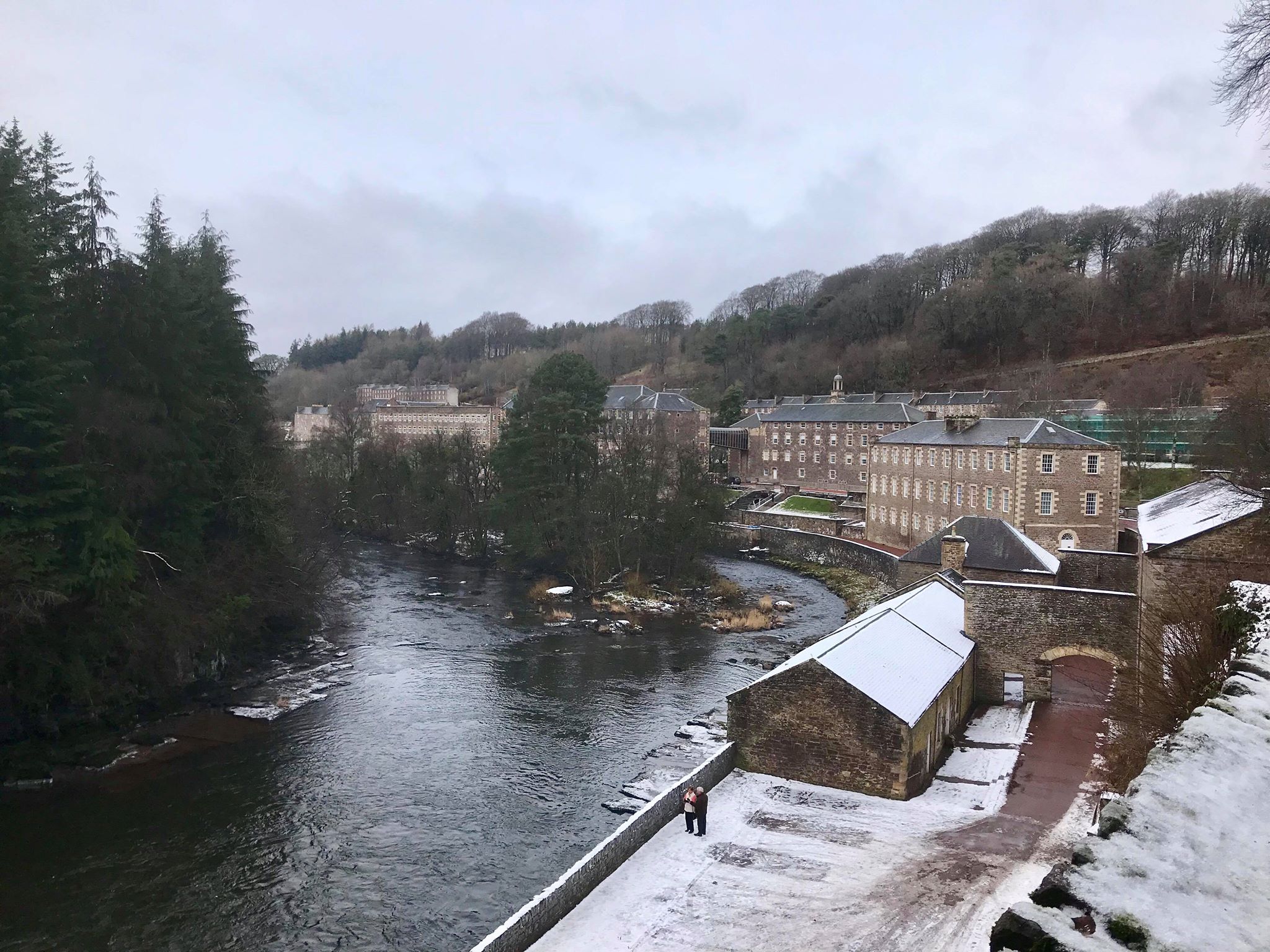
New Lanark was built next to the River Clyde. Its around 1 mile from the village of Lanark, and 25 miles southeast of Glasgow.
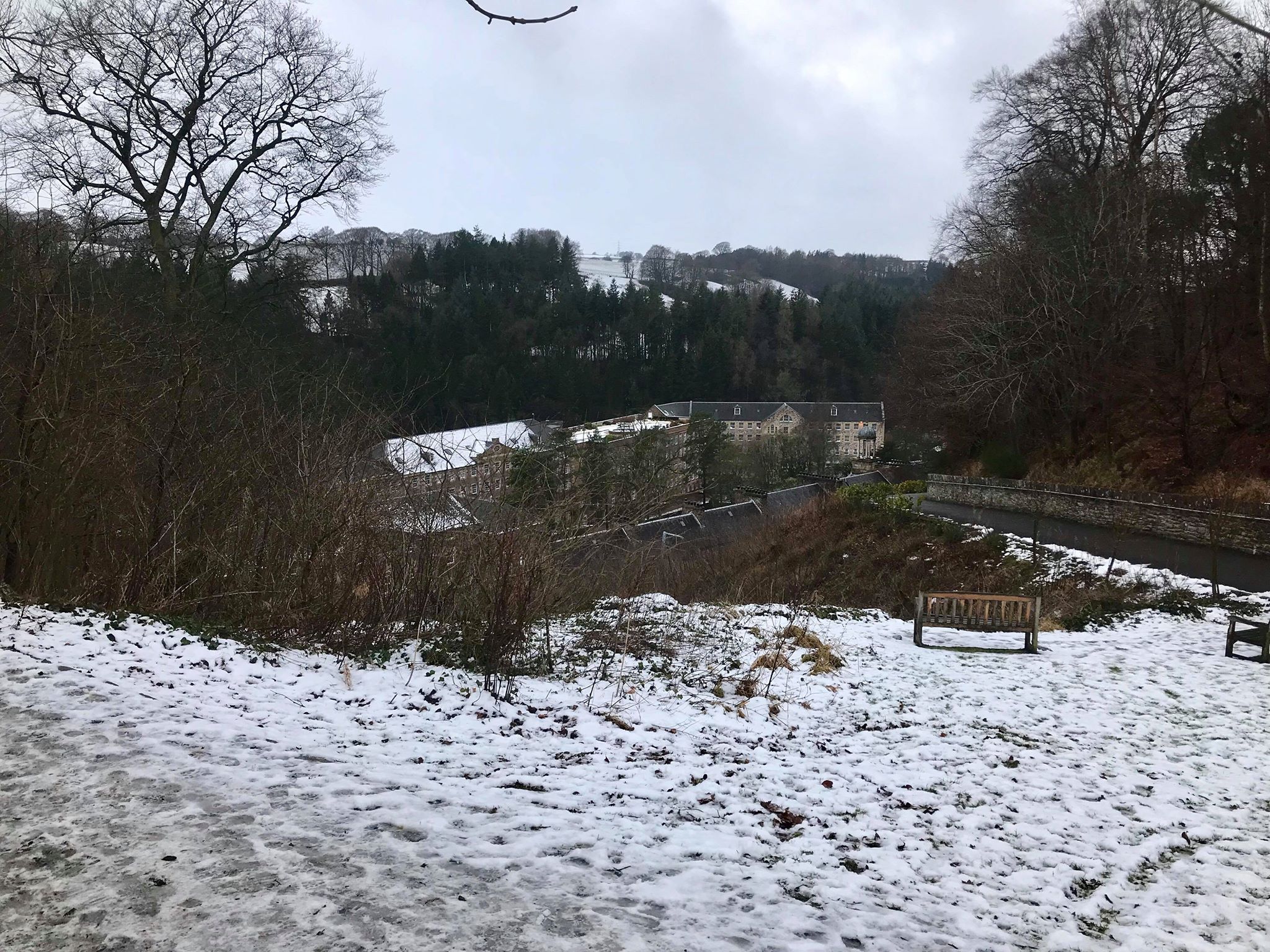
David Gale created the New Lanark Cotton Mills and the workers houses in 1786. It was built in this spot due to the waterfalls nearby on the River Clyde. This allowed the mill, and houses, to use the power generated by river. Gale’s business partner, Richard Arkwright, had recently invented a water powered cotton spinning maching, and this was used in the mill.
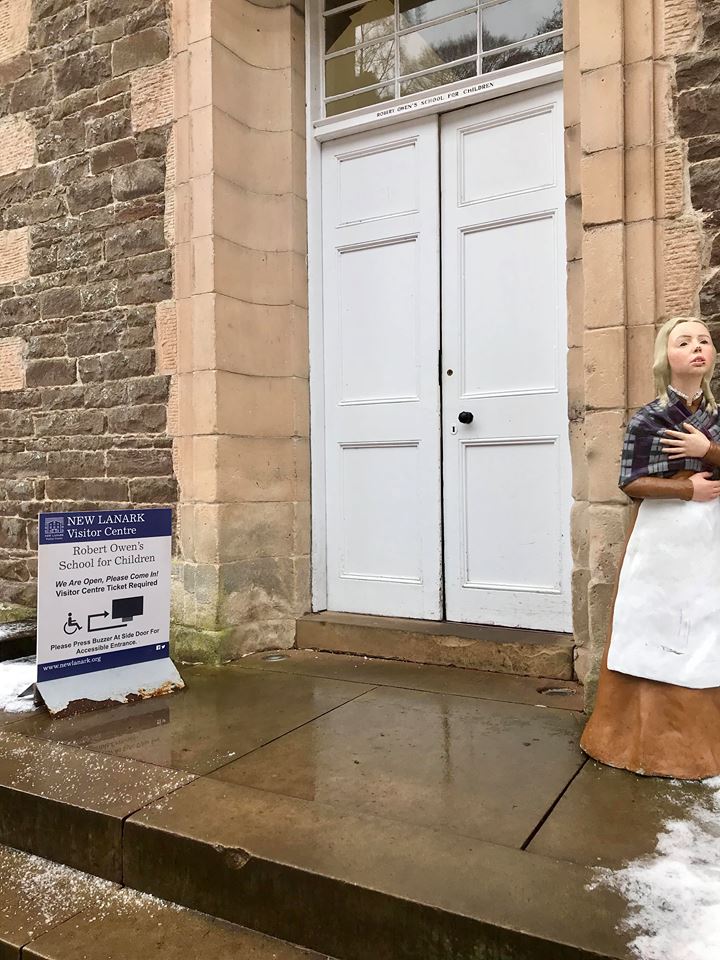
In the early 19th century, David Gale sold the Mill, houses, and land to his son-in-law, Robert Owen. While Owen was in charge of New Lanark, up to 2500 people lived and worked in the mills. Owen was displeased with the condistions in the mill, even though other mills in the country we alot worse. Owen tasked himself with improving both the working conditions in the mill, and also the living consitions in the houses. During the 19th century, the houses would probably only have had 1 bedroom. He was concerned about the 500 children in New Lanark, and as well as having a nursery building, he opened the first infants school in Britain in 1817.
By the early 19th century, many of the houses had been upgraded and had several rooms. Owen also incresed the pay of the workers, and gave them free healthcare. The added expense made Owen’s business partners concerned about the impact on profits. Owen refused to budge, and bought out his business partners.
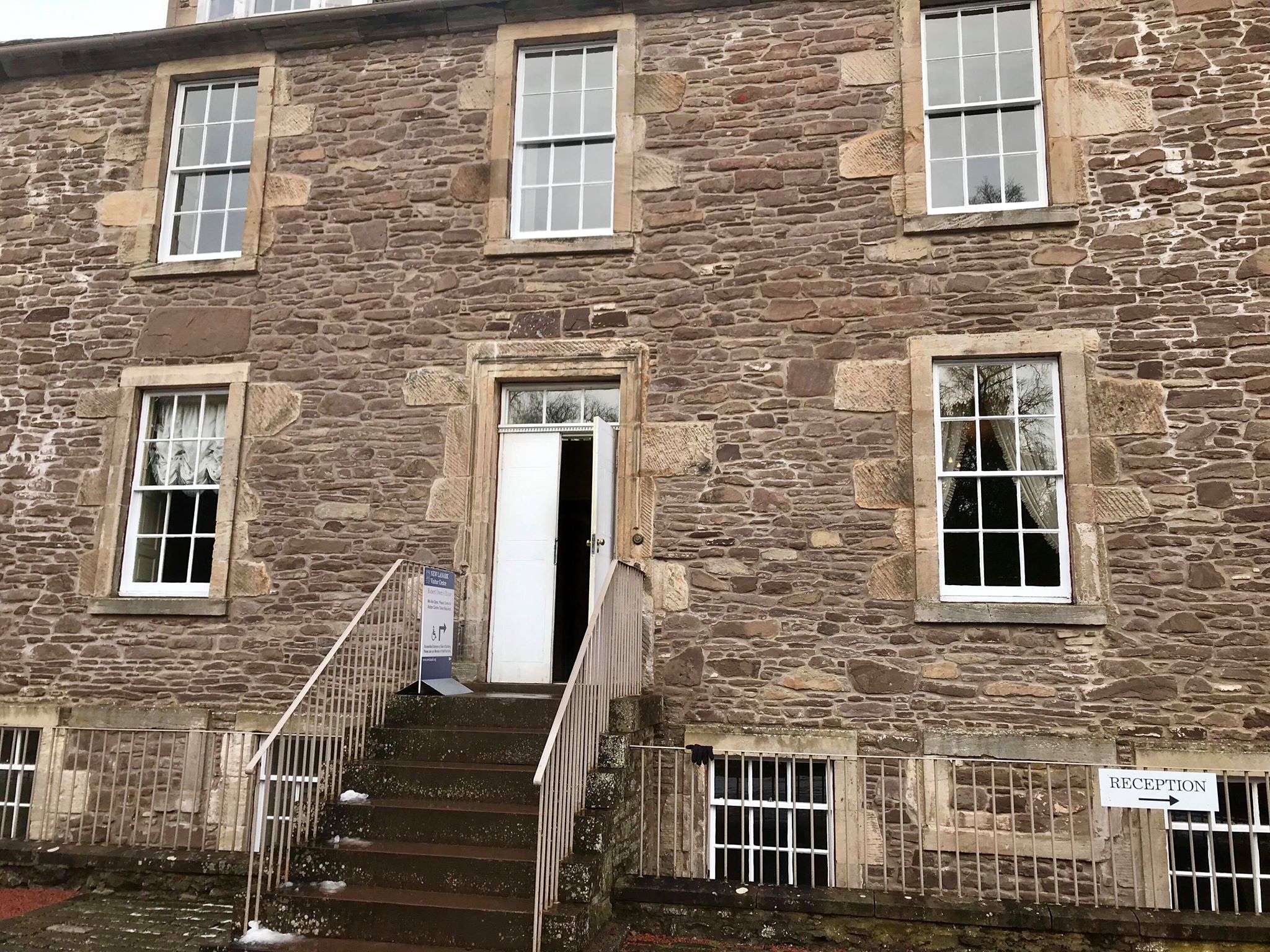
Due to the revolutionary conditions at the mill, New Lanark became known throughout Europe, with various Royalty and Statesmen visiting the mill. Robert was able to show that even though he had vastly improved living and working conditions at the mill, he was still making a profit.
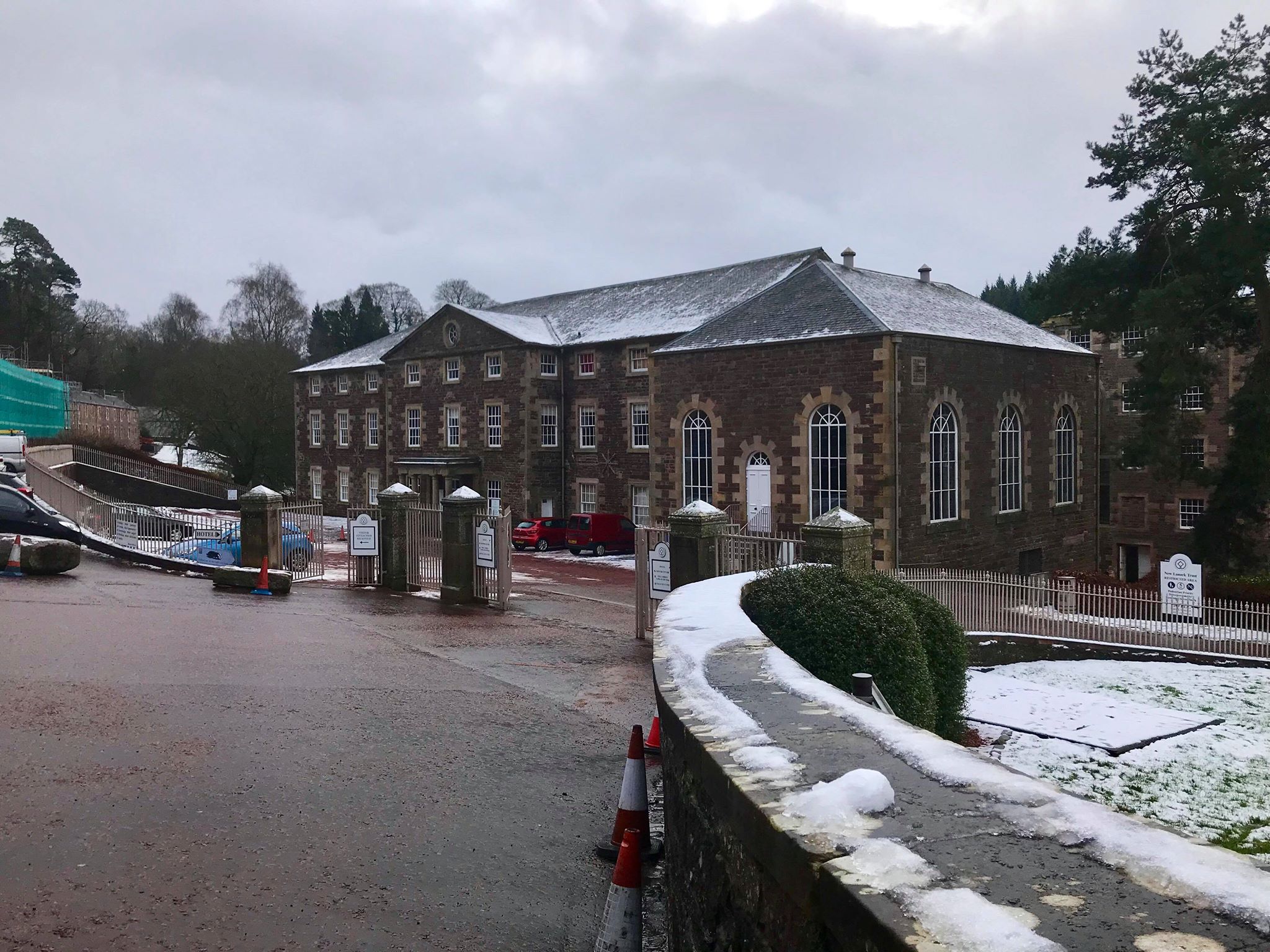
In 1825, Robert Owen moved to the USA to begin another project and New Lanark was passed onto the Walker family. It was sold again in 1881. The mills began to decline before eventually closing in 1968. As the workers left their homes and moved away to find work elsewhere, the buildings started to deteriorate. Mill 1 lost the top 2 stories due to damage, although this building was completly restored and became the New Lanark Mill Hotel. The New Lanark Trust was founded in 1974 to prevent the village being demolished. Restoration work began on most on the buildings, with work still being carried out on one block.
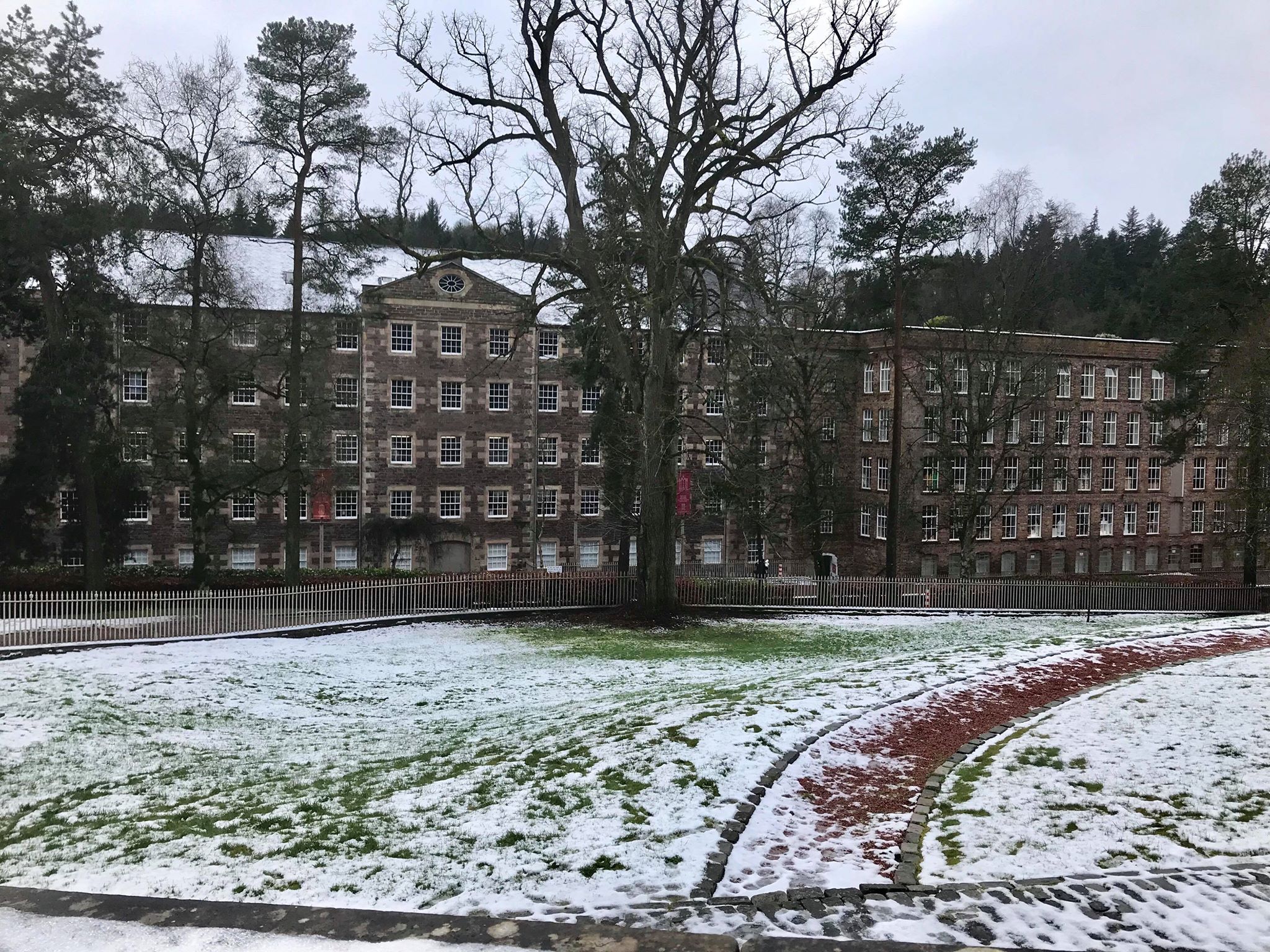
Today, around 200 people live in New Lanark. Many of the houses were bought as empty shells and restored privately by the owners. The houses in New Lanark have to maintain the historic authenticity, and are not allowed a TV or Satelite dish. Phone and cable lines are all underground. All external woodwork is painted white.
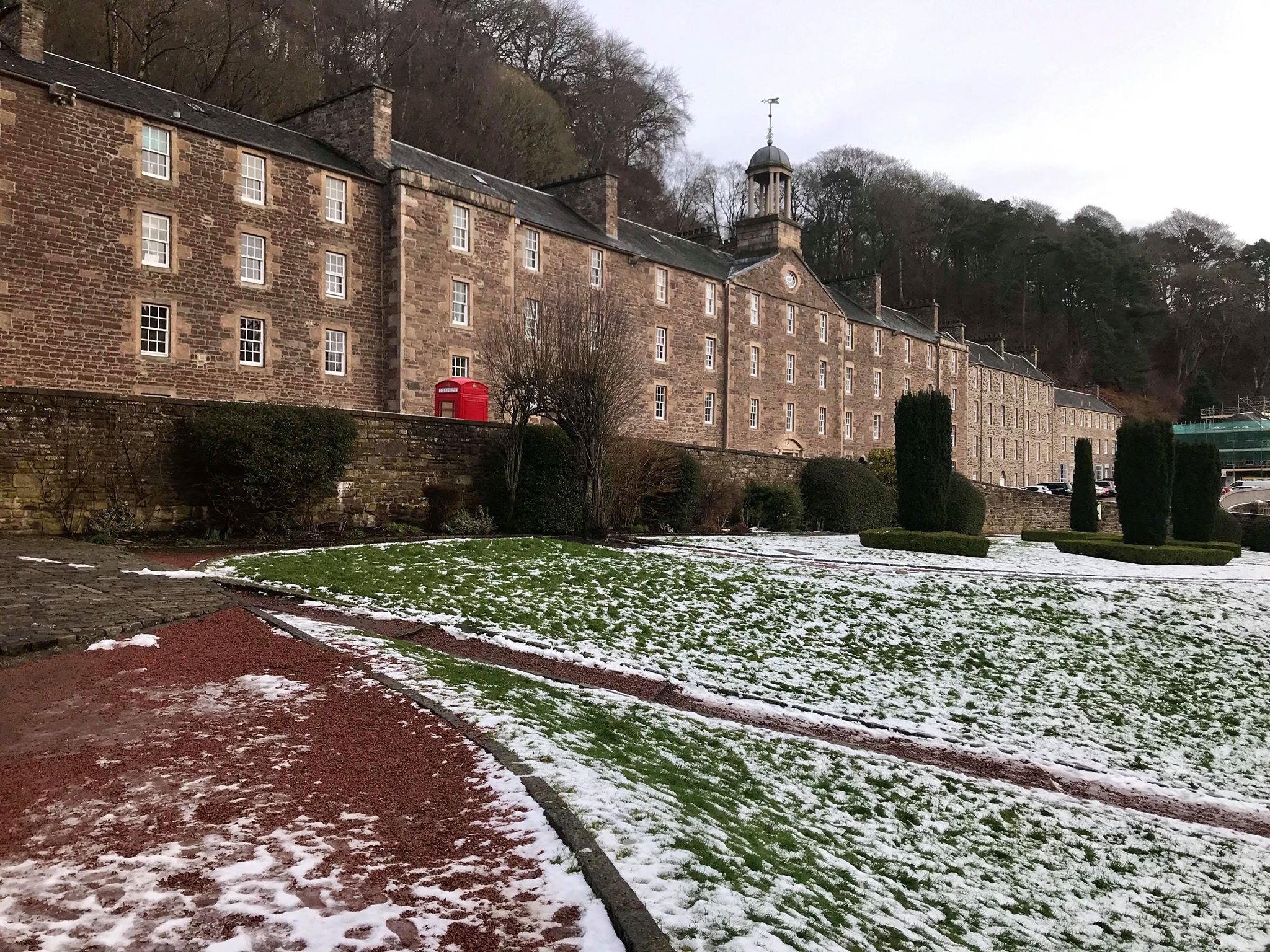
New Lanark Heritage Centre brings in around 400000 visiters each year. The historic and social importance of New Lanark was recognised by UNESCO in 2001, with them making New Lanark 1 of only 6 World Heritage sites in Scotland. The others are Edinburgh Old and New Town, The Forth Bridge, Neolithic Orkney, St Kilda and the Antonine Wall.
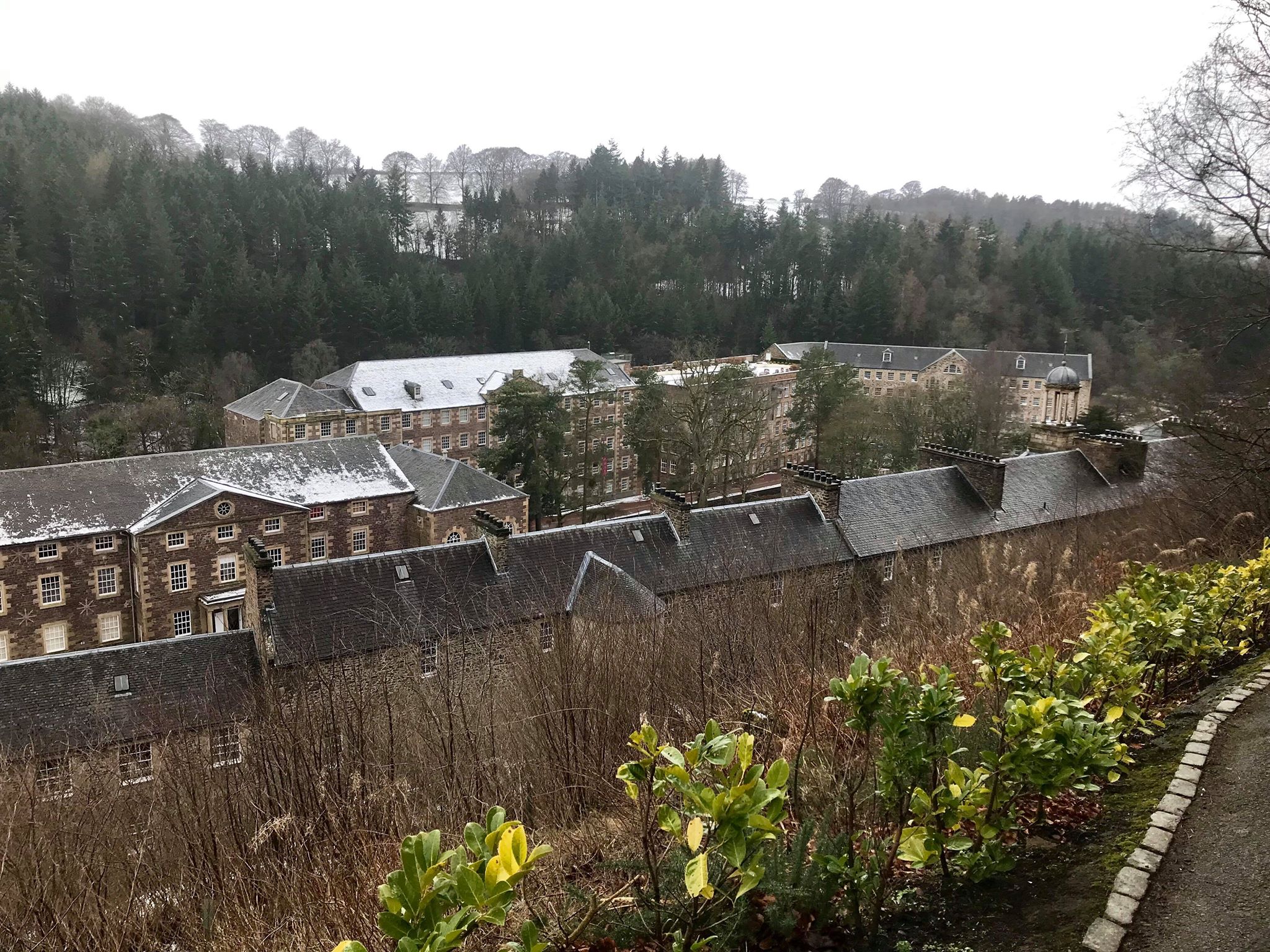
New Lanark has had numerous reports of paranormal activity. Visitors to the mill have reported seeing apparitions, and hearing voices and footsteps. In the mill house that you can walk through, an apparition of a lady dressed in tartan is often seen walking through a closed door. In Robert Owen’s house, some people believe they have spotted his spirit sitting at his desk. In the mill, a figure has been seen walking up the stairs. The spirit of a young man with blonde hair has been reported in the Institute building, while a tall man is regularly reported to be seen walking through the door of the River Room. In the Musicians Room, footsteps have been heard running across the room, and the sounds of children crying in the corner have been heard. Out in the streets of New Lanark, an apparition of an old lady has been seen. Spirits have also been spotted in the New Lanark Mill Hotel, with apparitions, noises, footsteps and clashes all being reported.
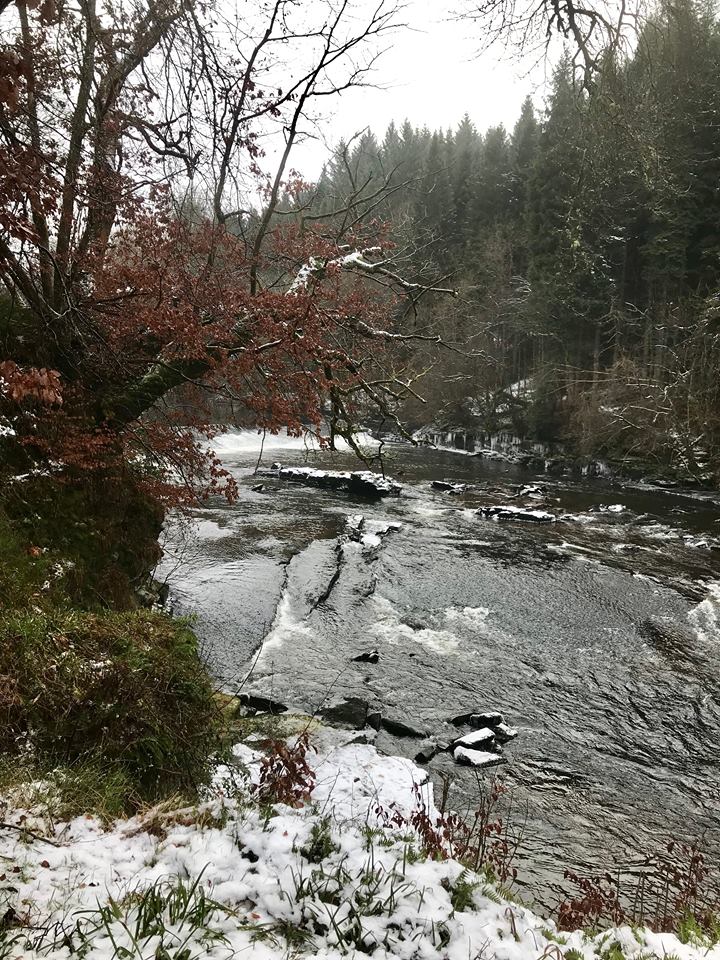
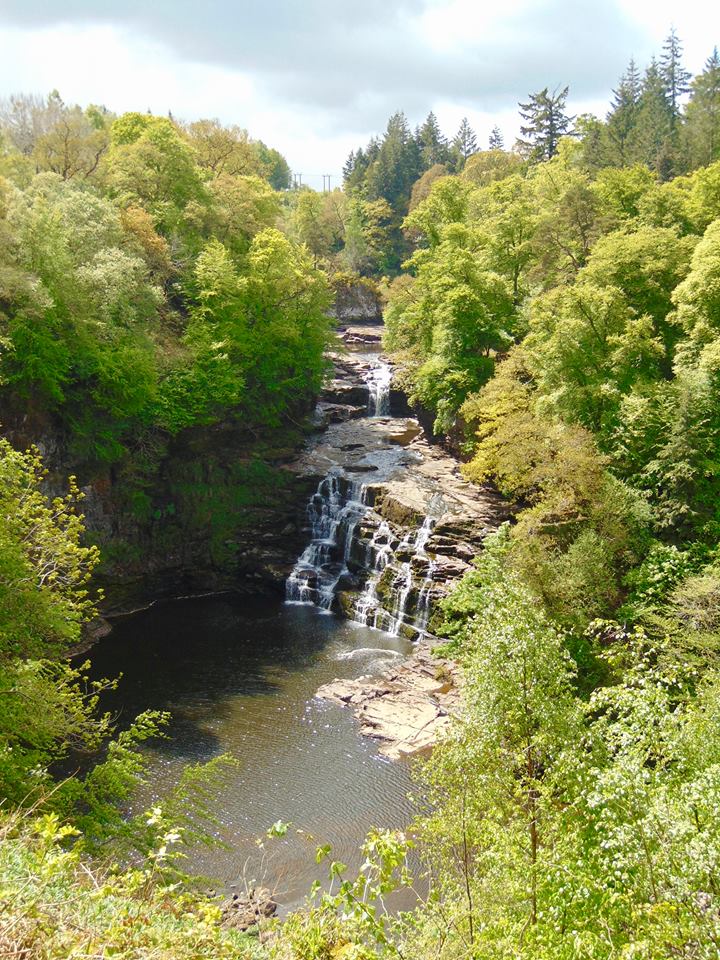
It was still very frosty with snow on the ground when I visited today, with the clouds making the photos quite dull. I have walked the Falls of Clyde route, and they are quite stunning. However, parts of the path get quite muddy and steep. This is a photo of one of the waterfalls from the last time I walked to the Falls. It was during the summer, and there had not been alot of rainfall in the days prior to me walking there.
This is the link to live walkaround that I did today https://www.facebook.com/ProjectParanormalPage/videos/417730398994250/
By Karen Barrett
 Project Paranormal