In the 15th and 16th centuries, Linlithgow Palace, in the town of Linlithgow, was one of Scotland’s principle residences of the Scottish monarchs.
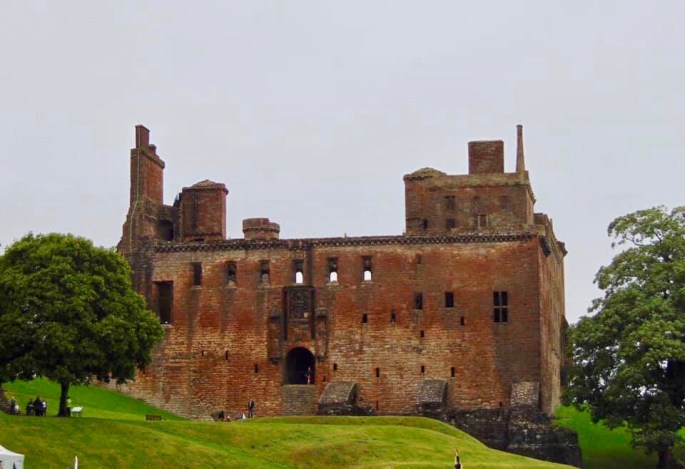 Back in the 12th century there was the original Royal Manor, this was then replaced by a Fort known as the Peel by the English forced in the 14th century. Linlithgow was on the route to both Stirling Castle and Edinburgh Castle so it made it an ideal base for an army.
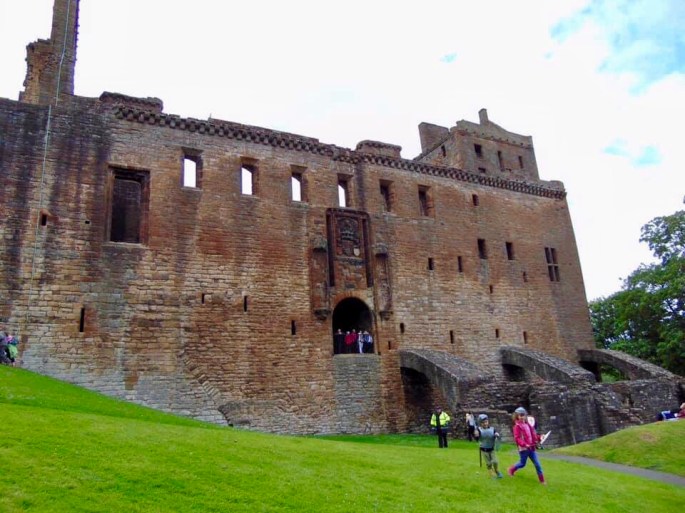
The town of Linlithgow was largely destroyed by a fire in 1424. King James I began rebuilding the Palace with the intention of it to become a royal residence. He also began building the Church if St Michael just south of the Palace. James III and James IV both built additions to the Palace. King James V was born in the Palace, as was Mary Queen of Scots.
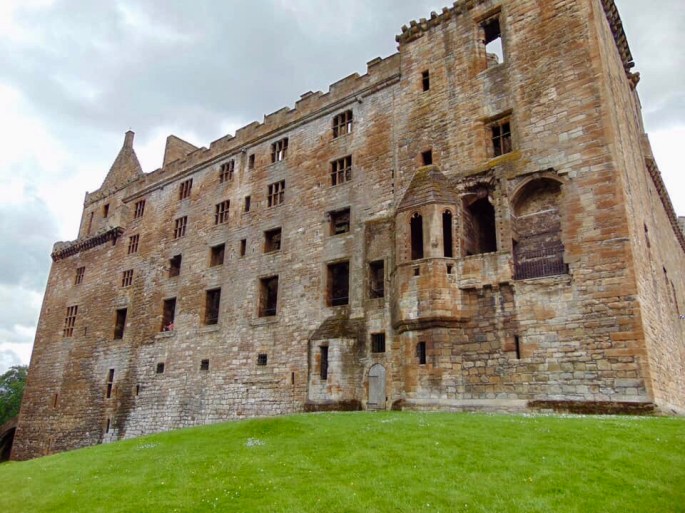
The Palace was only sparsely used after the union of Scotland and England in 1603 as the Royal Court was then based in England mainly, and it started to go to ruin.
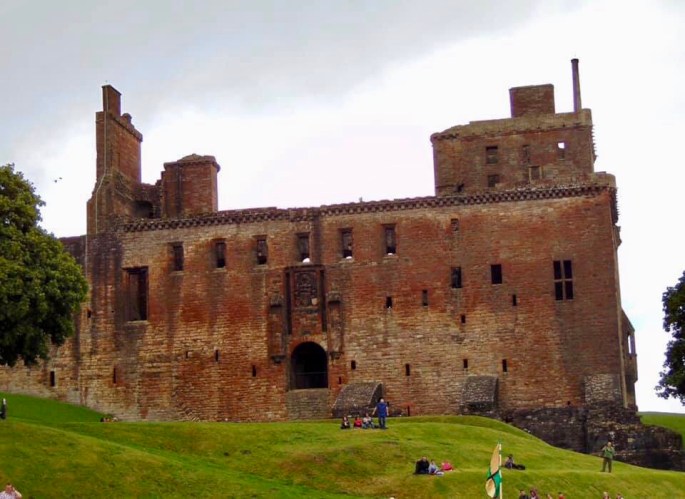
King James began rebuilding the Palace in 1618, however, the only reigning monarch to stay at the Palace after the rebuild was King Charles I, who stayed for 1 night in 1633.
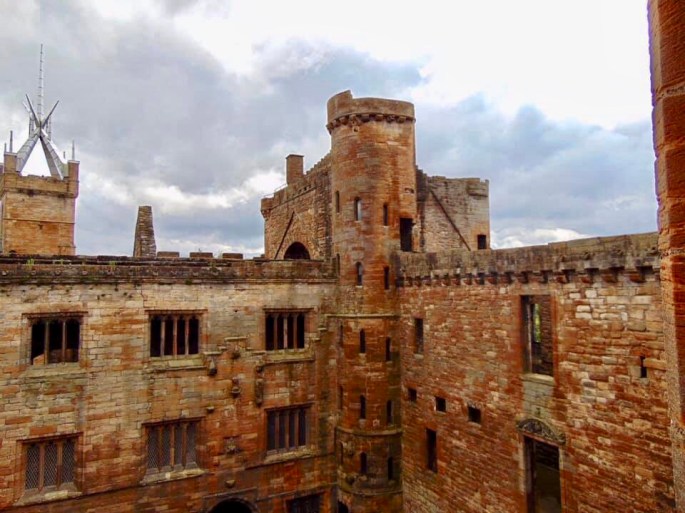
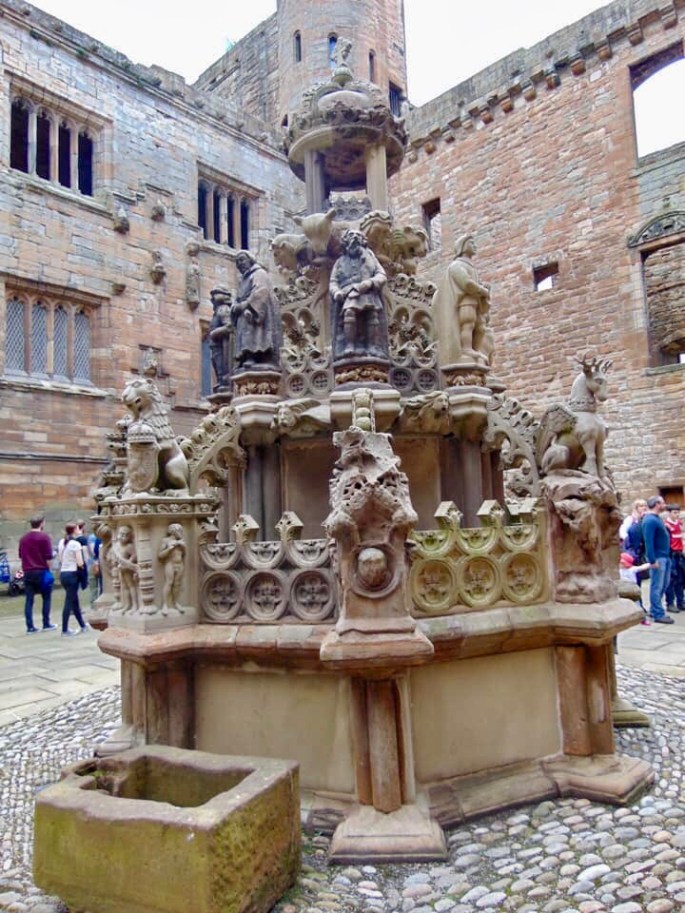
During Bonnie Prince Charlie’s March south in September 1745, he visited the Palace. It is said that the fountain was made to flow with wine in his honour.
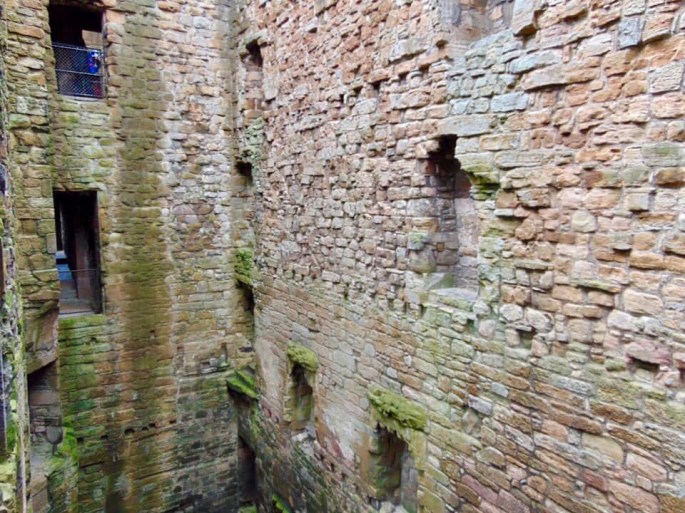
Most of the buildings were destroyed by the Duke of Cumberland’s army in January 1746.
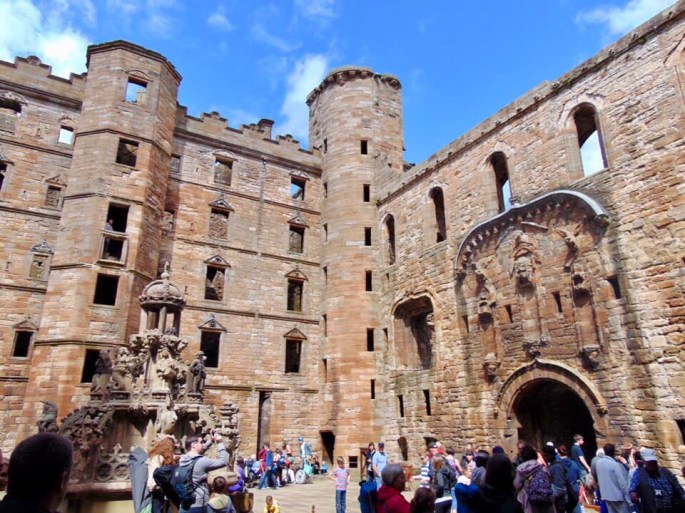
The Palace is now run by Historic Environment Scotland and is open to the public.
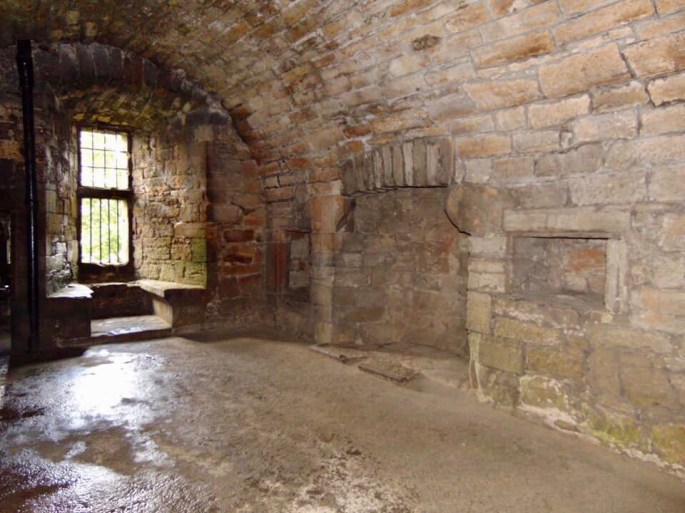
Mary Queen of Scots mother, Mary of Guise, is said to haunt the Palace. It’s said that the spirit of Margaret Tudor, who was the Consort of King James IV haunts the Queen Margaret Bower, at the top of the stair towers. There is a ‘blue’ lady that has been seen walking from the Palace to the Church at around 9am in the months April or September. An apparition of Mary Queen of Scots has been seen praying in the Chapel.
 Project Paranormal