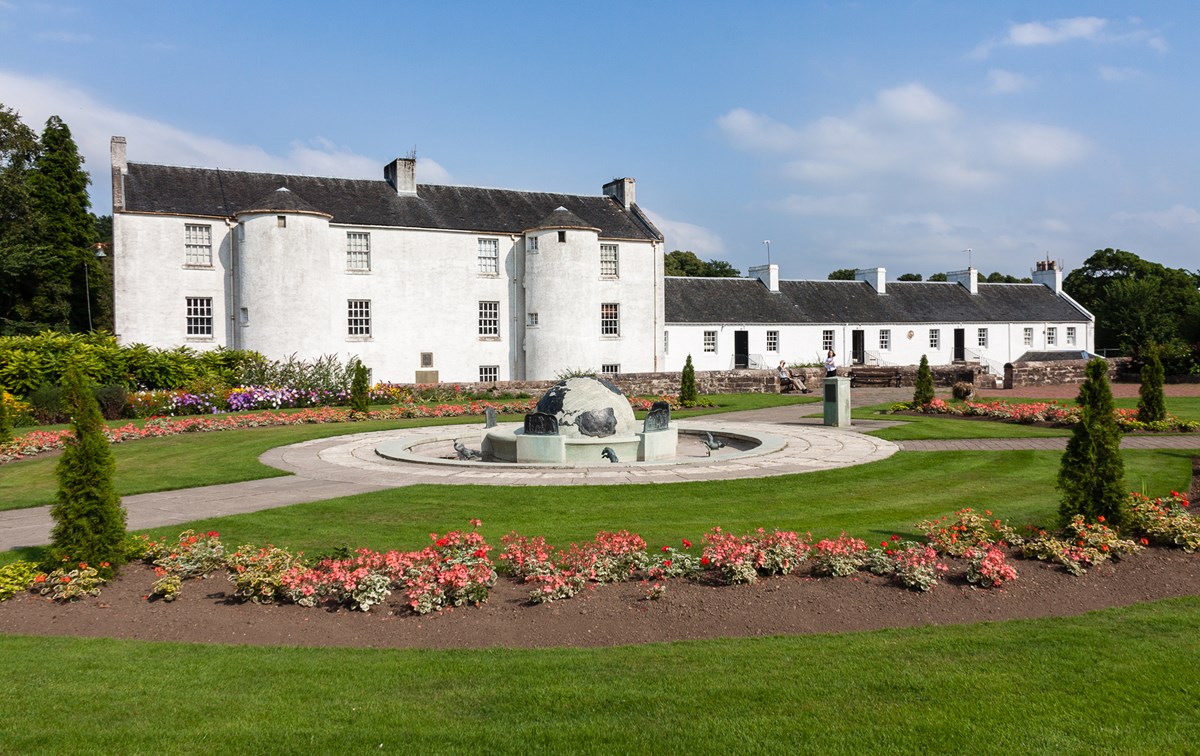
The David Livingstone Museum is in Blantyre, which is around 8 miles south of Glasgow in Scotland. The museum is on the banks of the River Clyde, and nearby Bothwell Castle can be reached easily on the paths.
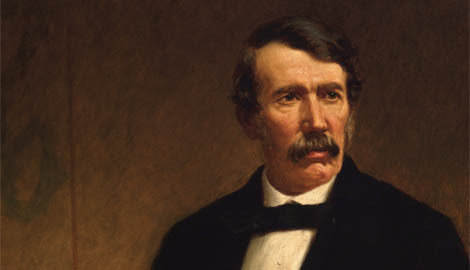
The museum is dedicated to life of mill worker, and missionary David Livingstone. Inside, you can follow his life, from his birth, right through to his death.

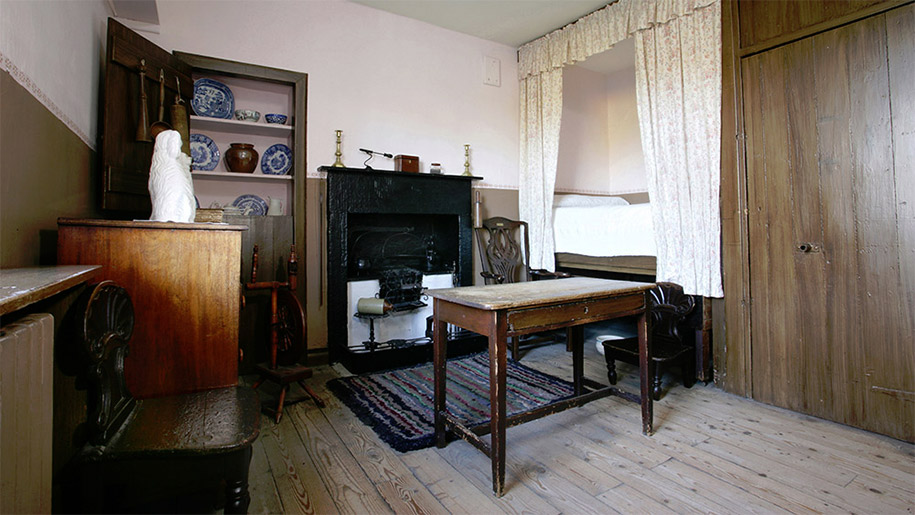
David Liningstone was born on 19th March 1813, in his family’s small 1 bedroom flat in the tennement building in the complex. This small room was home for David, his parents, and his 6 siblings. The tenement building was 3 stories tall , home to 24 families, and was known as Shuttle Row. At the age of 10, David began working in the mill, along side his family, and upto 2000 other workers. David worked 6 days a week, 14 hours a day, but he still managed to find time to read books and educate himself. He went on to attend Glasgow University, studying Medicine, Greek and Theology.
He moved to London and was ordained as a minister in 1840.
The following year, he travelled to Botswana in Africa and began his missionary work, spending much of his time trying to abolish slave trading. Later, while staying in a small village in South Africa, a woman was killed by lions. David shot one of the lions, but it managed to attack and injure David before dying.
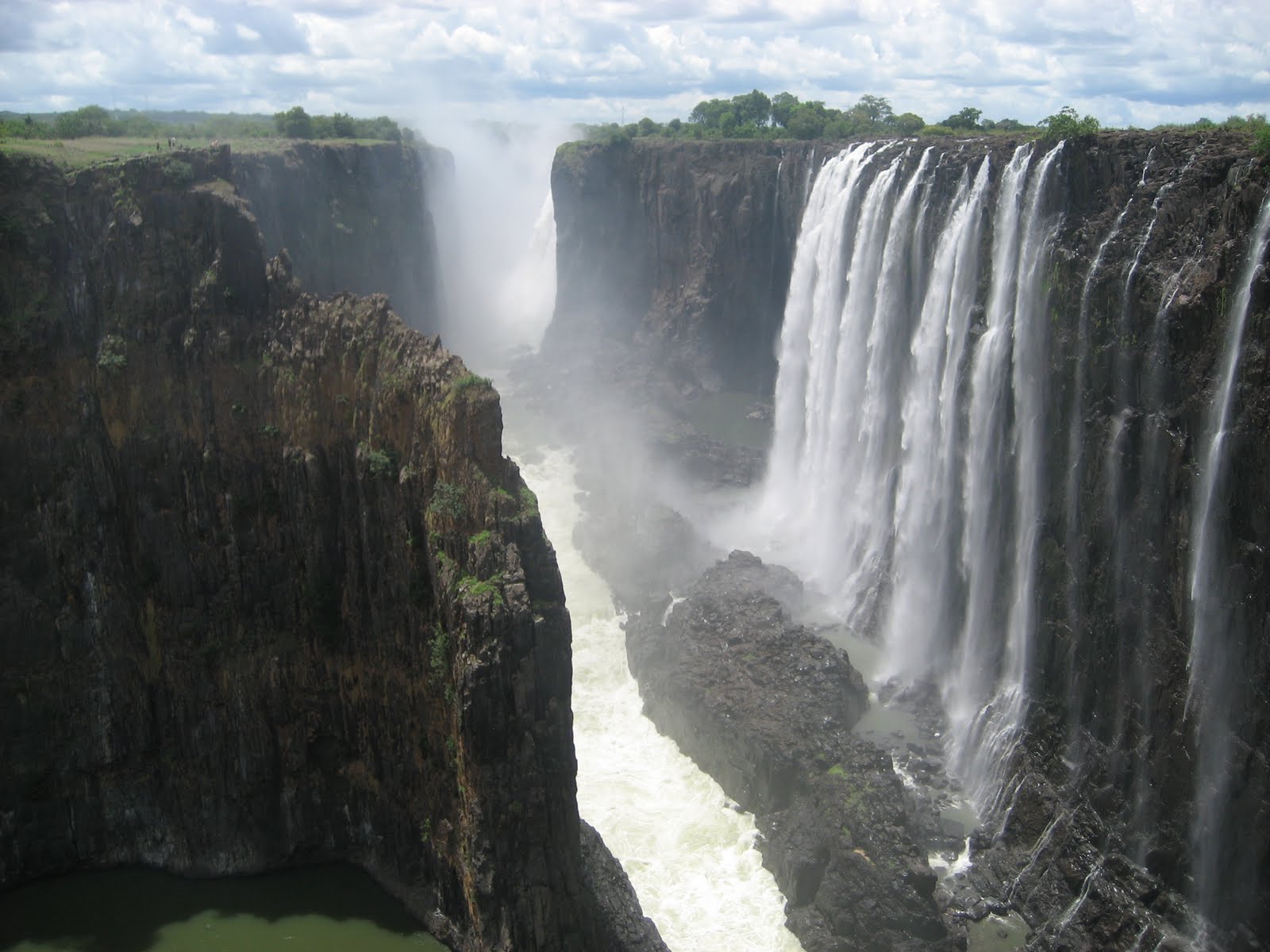
David went on to marry Mary Moffat in 1845. She was the daughter of a fellow missionary. They were invited to stay with the Bachwain Tribe as guests of the Chief. This is around the time when David started to explore Africa. He started an expedition across southern Africa in 1853, and in 1854, he became the first European to witness Mosi-oa-Tunya waterfall. Due to Queen Victoria being the Monarch at the time, David renamed them Victoria Falls.
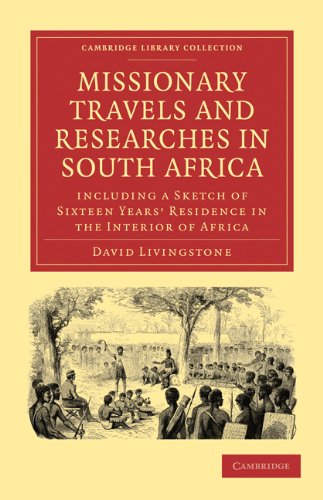
He returned to a heroes welcome in Britain, and wrote his journal on his travels in Africa. It was a best seller called Missionary Travels and Researchers in South Africa.
David and Mary returned to Africa in 1858, with David being asked to spearhead an expedition. However, the expedition didnt go to plan. Add to that, Mary died in April 1863. The expedition returned to Britain in 1864 with it being deemed a failure by many people.
In 1866, David returned again to Africa, this time in search of the source of the River Nile. During this expedition, David discovered 2 lakes, and in 1871, he found himself the furthest into western Central Africa that any other European had been. By October 1971, David was very ill, and made his way back to one of the lakes. He met reporter Henry Stanley. This led to the famous quote ‘Dr Livingstone I presume’. He gave David some medicine which helped somewhat. Stanley had wanted David to leave with him, but David was insistant that he would carry on in search of the source of the Nile. However, David died of Malaria and internal bleeding due to dysentery on 1st May 1873, never having found the Nile source. His heart was burried under a tree in Africa, and members of his expedition carried his body the 1000 miles back to Britain where he was burried at Westminster Abbey.
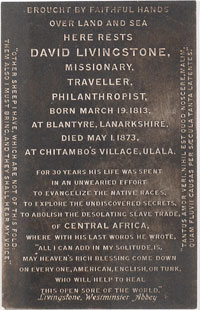
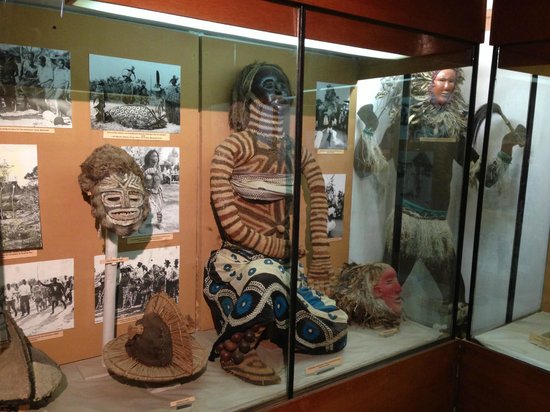
In 1925, it was decided that there should be a National Memorial Centre for David Livingstone, and in 1927 the Mill and Shuttle Row buildings. The Cotton Mill building is no longer in existance, and has been replaced by a large wooded park area. As you walk through the museum, you can get an idea of the living and working conditions during the 19th century. You can see the Livingstone’s small 1 bedroom flat that the family lived in. The museum has many artifacts that David brought back from his travels in Africa, along with his Joiurnals, maps, and medical equipment.
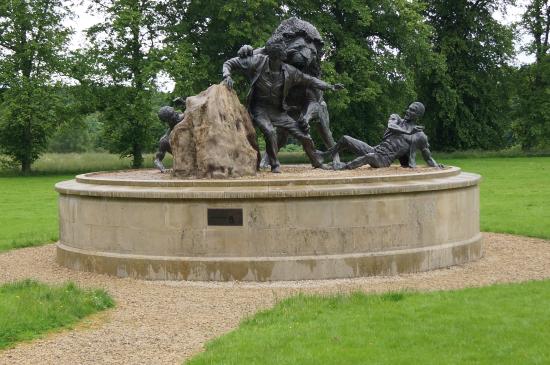
In the grounds of the museum is a large bronze statue depicting David being attacked by the Lion. The statue was designed by Oscar Winner Ray Harryhausen and his wife Diana. This was a project close to their hearts as Diana is David Livingstone’s great granddaughter.
There have been numerous reports of paranormal activity at the museum. Bangs and knocks are regularly heard, and the doors open and close by themselves. Visitors have also stated that they have heard clear voices, but when turning to see who was talking to them, there is no one there. Numerous people have reported that there are a number of child spirits in the complex, as well as a malevolent spirit.
This is a link to the short walkaround I carried out at the David Livingstone Centre https://www.facebook.com/ProjectParanormalPage/videos/985835024941979/
By Karen Barrett
 Project Paranormal