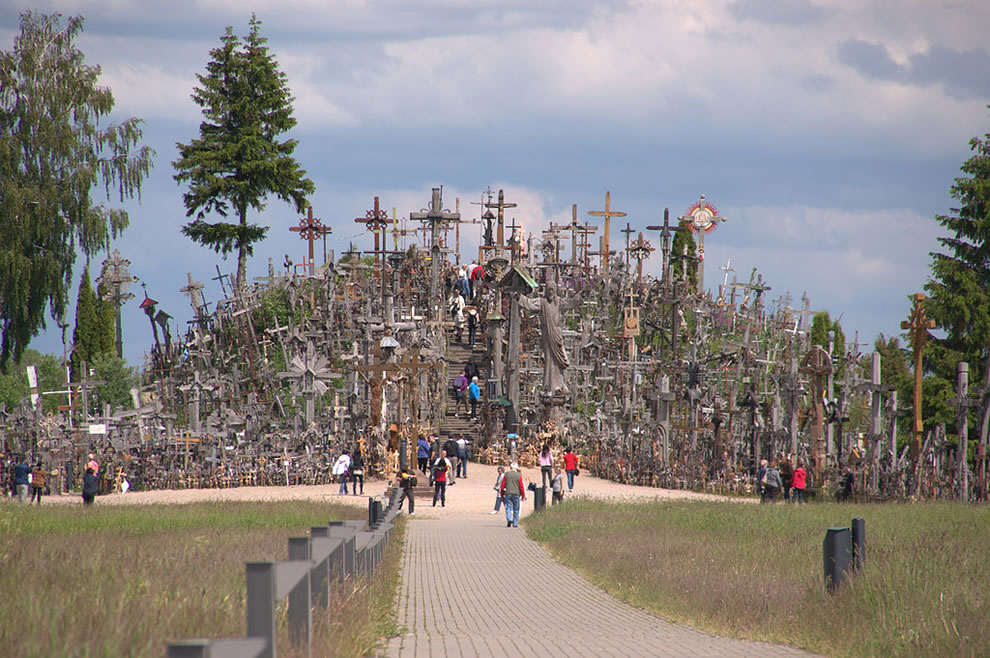
The Hill of Crosses is near the city of Šiauliai, in Lithuania. The Hill is around 60meters long.
Although no one really knows exactly why crosses started to be left on the Hill, it is widely thought to have begun after the 1831 uprising involving Poland and Russia. Families who were unable to locate to locate a loved one that had passed in the uprising, and would place a cross on the hill in rememberance. National identity was being supressed and religious expression was not allowed. Families were forbidden to honour their dead in cemetries, and would place a cross on the Hill.
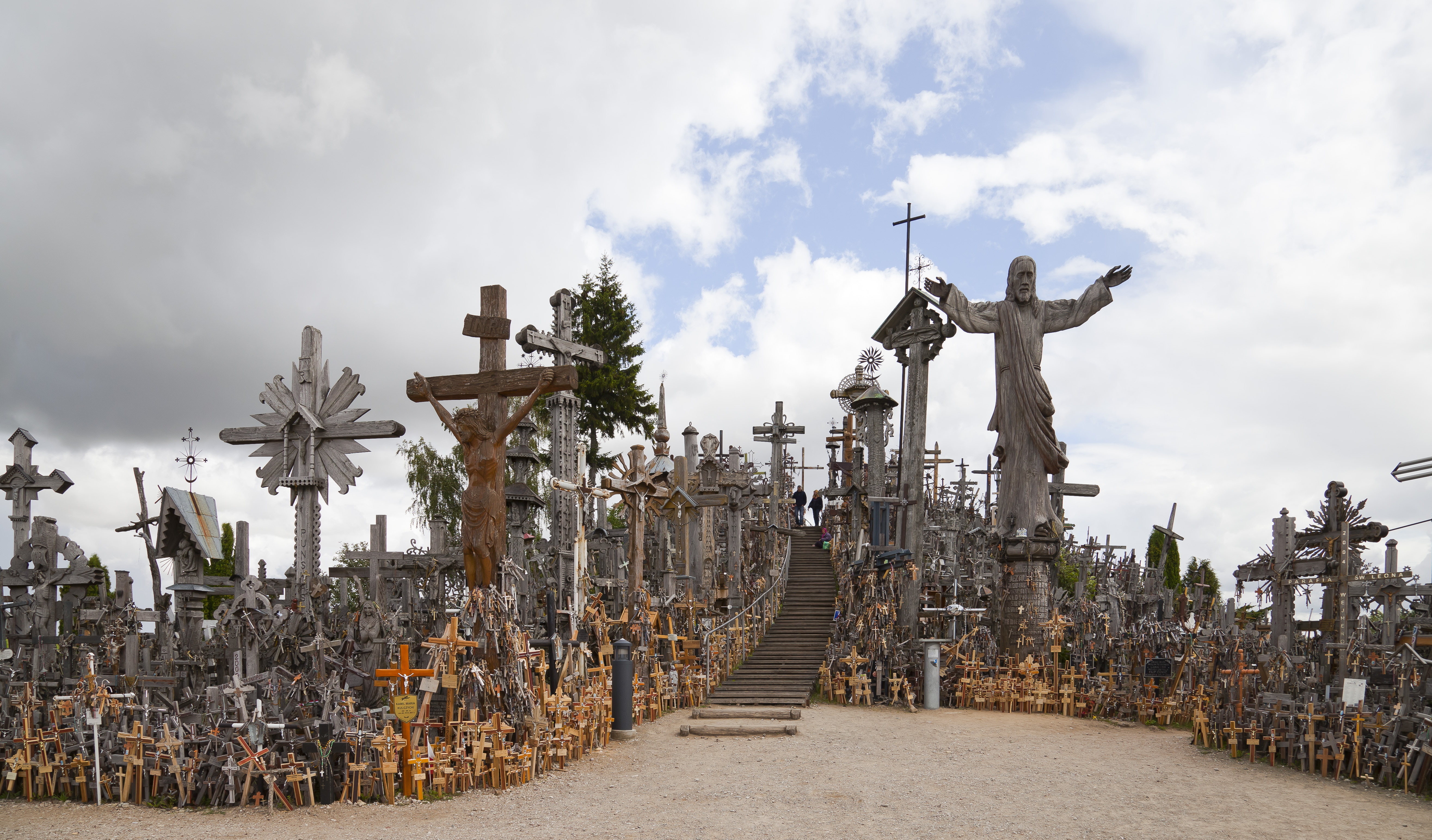
It is not only crosses and crucifixes that have been left on the hill, but also rosaries, statues of the Virgin Mary, and various religious effigies have been placed on the hill by Catholic Pilgrims. Over the years, the number of crosses on the hill has grown significantly, with an extimate of over 100000 in 2006. Its believed to have around 200000 at the moment.
The Hill is regarded as an area of peace for Lithuanians. During their Wars of Independance, Lithuanians would go to the Hill to pray for their country.
During the years of Soviet Rule over Lituannia, religion was still banned. The Hill of Crosses was buldozed and burned by authorites. The locals defiently returned to the Hill, risking repurcussions, and left more crosses. The was destroyed at least 3 more times, with over 6200 crosses being removed, bbetween 1963 and 1973. Each time, locals replaced the crosses.
Lithuania has been an independant country since 1991, and religion is freely practiced. The Hill was declared a place of peace, hope, love and sacrifice by Pope John Paul II during his visit in 1993.
The Hill is maintained by volunteers, with pilgrims travelling some distance to visit.
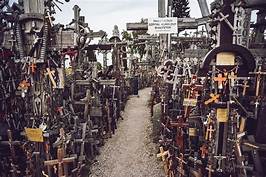
Over the years, there have been many reports of ghostly sightings.
Back in the early 1300’s, a small wooden castle stood at the base of the hill. It was looked after by the pagan barrons of Samogitia. The castle was destroyed in 1348 during a battle. Its said that the burried their fallen comrades, forming the Hill. These soldiers are said to haunt the hill at night.
Locals also tell of spotting a ghostly procession of monks at the foot of the Hill around sunset.
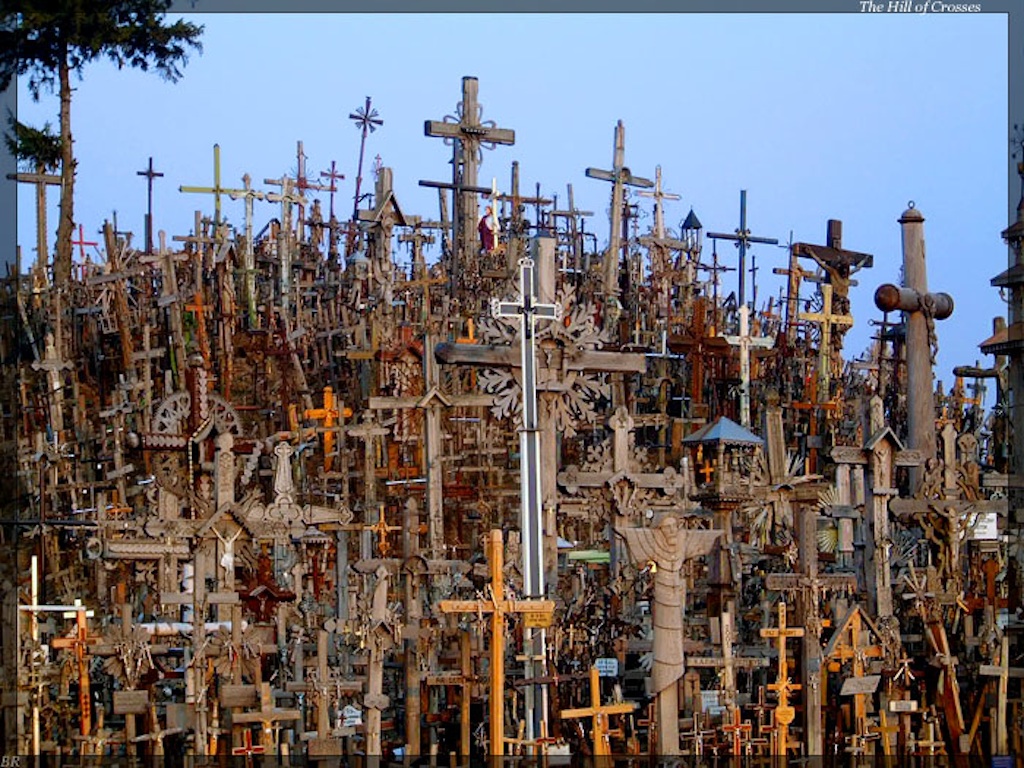
By Karen Barrett
 Project Paranormal
I love to read this post I also have the same article on my website, also read your which is i really like.
LikeLiked by 1 person